Choosing a robot is not just a matter of comparing speed or price. Buyers need to know how its technology will perform in their actual workspace. A mobile robot may navigate a clean warehouse well, yet struggle with reflective floors, narrow aisles, or changing pallet locations. A robotic arm may meet its cycle-time target but need a different gripper for delicate parts. Details like these can shape the total cost and usefulness of a purchase.
This guide explores 10 robot technology areas that buyers should understand, including machine vision, force sensing, navigation, end effectors, and human–robot collaboration. It also considers software, connectivity, and maintenance, since capable hardware can still disappoint when integration is difficult. No single technology is best for every operation. The right choice depends on the task, site conditions, staff expertise, and support available after installation. Check performance claims against real operating requirements, and ask vendors how they were tested. A demonstration helps, but it may not reflect a full shift. That distinction matters.
Some trade-offs are messy. More sensors can improve awareness, but they can also add setup work and cost. Buyers should compare measurable needs, request clear documentation, and plan a practical pilot where possible. This is not a perfect formula. It is a grounded way to assess options before committing to equipment that must work beyond the showroom floor.
Buying a robot is less about choosing a technology label and more about matching it to a real task. Industrial arms, collaborative robots, autonomous mobile robots, machine vision, force sensing, and AI-enabled software solve different problems.
The International Federation of Robotics reported 541,302 industrial robot installations worldwide in 2023, in its World Robotics 2024 report. That scale shows how established automation has become, but it does not prove a robot will suit a particular facility.
Start with the work itself: cycle time, payload, reach, floor layout, and the variation between parts. Small details matter. A reflective surface can confuse vision; a narrow aisle can limit mobile robots.
Buyers should also check integration, safety functions, maintenance access, and the skills needed to operate the system. The IFR’s World Robotics 2024 service-robot report recorded about 205,000 professional service robots sold in 2023, up 30 percent year over year. Growth is notable, but deployment conditions still differ sharply across sectors.
Ask suppliers for measured results from a task similar to yours, including downtime and changeover time. Then test the robot with actual materials and operators, not just a polished demonstration.
This takes effort. It can expose awkward workflows early. I would also leave room for uncertainty: projected efficiency gains often look cleaner on paper than on a busy production floor. Check how performance changes when lighting, staffing, or product mix shifts.
What Are the Top 10 Robot Technologies for Buyers?
How to Evaluate Robotics Needs Before Comparing Solutions
Before comparing robot technologies, map the work, not the catalogue. Track each task across a full shift: cycle time, payload, travel distance, changeovers, and operator handoffs. Note where parts arrive late or errors occur. A small floor sketch with aisle widths and charging points can reveal constraints that a product demo will not. This is easy to miss.
Set measurable requirements. Define acceptable reach, repeatability, uptime, safety needs, and integration with existing systems. Include the people who will load, maintain, and troubleshoot the equipment. The International Federation of Robotics’ World Robotics 2024 report counted 4,281,585 industrial robots operating worldwide in 2023, with 541,302 new installations that year. That scale signals a mature field, not a guarantee of fit. Your process is the test.
Compare solutions only after recording a baseline, such as units per hour, defect rate, and downtime. Then estimate total costs, including fixtures, training, maintenance, and production interruptions during installation. Pilot the hardest task, not the easiest one. A tidy spreadsheet can still conceal shaky assumptions; revisit estimates after observing real shifts. The IFR’s World Robotics 2024 report is a useful market reference, but site measurements should guide the buying decision.
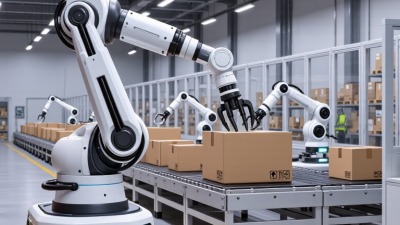
The top 10 robot technologies buyers should understand are articulated arms, mobile robots, machine vision, force and torque sensors, artificial intelligence, collaborative operation, end-effectors, navigation and mapping, safety systems, and integration software. Each solves a different problem. A camera may inspect a label, while a gripper must reliably pick up a slippery part.
The International Federation of Robotics reported 541,302 industrial robot installations worldwide in 2023, with operational stock reaching about 4.28 million (World Robotics 2024). That scale makes practical evaluation essential. Buyers should match payload, reach, and repeatability to actual tasks, then check how vision, sensing, and navigation perform under changing light, clutter, or floor conditions. Small details matter.
Collaborative operation and safety systems affect how people share workspaces with machines. End-effectors determine what a robot can handle; integration software connects equipment with production systems. The International Federation of Robotics also reported a global average of 162 robots per 10,000 manufacturing employees in 2023. That figure signals broad adoption, not guaranteed payback. Ask for cycle-time results from a representative task, maintenance needs, and integration costs. Demos can mislead. I would also question assumptions: a technically capable robot may still struggle with inconsistent parts or frequent changeovers.
The chart groups ten buyer-relevant technologies by area. Values show the number of technologies in each group—not market share or adoption rates.
Technologies covered: machine vision, 3D sensing, force/torque sensing, SLAM, servo drives, motion planning, AI and machine learning, simulation and digital twins, industrial networking, and functional safety. Consider how each fits your application, environment, integration needs, and safety requirements.
A robot rarely succeeds through one technology alone. Cameras and depth sensors map shelves, parts, or people nearby. Encoders track wheel or joint movement, while control software turns those readings into actions. Motors provide motion; network connections share job updates with other equipment. Safety sensors can slow or stop movement when a person enters a work area. The pieces must agree. A small delay can matter.
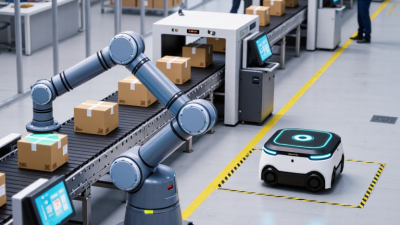
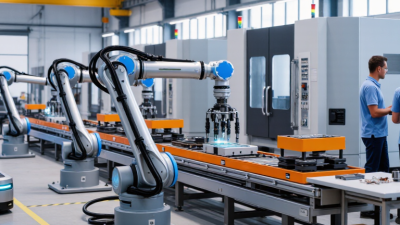
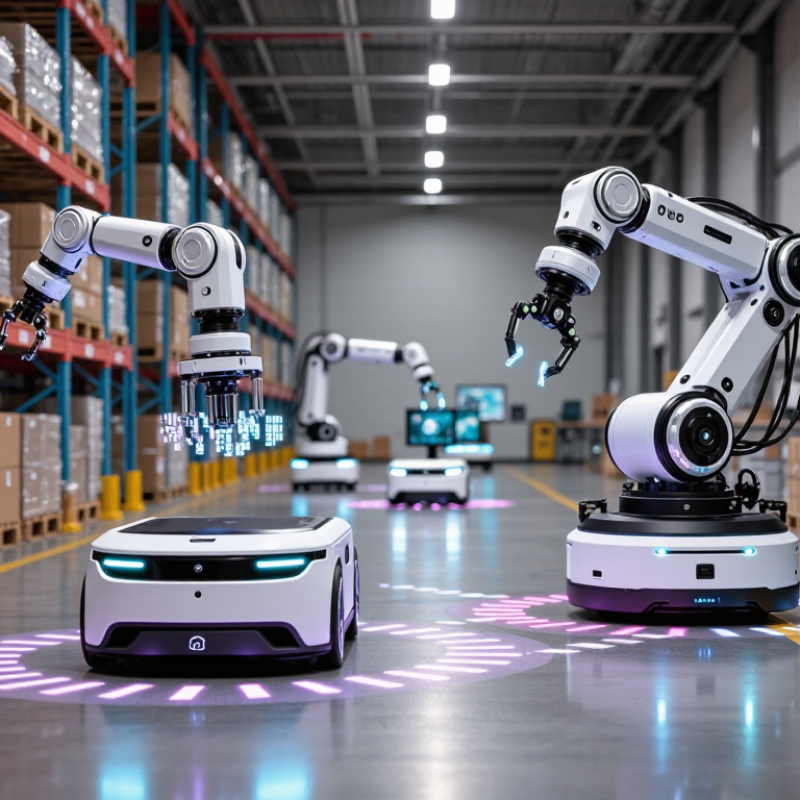
In a warehouse, a mobile robot may read a floor marker, steer around a pallet, and send its location to a dispatch system. At a workcell, a robotic arm can use a camera to locate a component, then adjust its grip using force feedback. These technologies work together through clear task rules and reliable data exchange. If the camera sees glare or the floor is uneven, performance may change. Real sites are messy. Even a well-tested setup needs observation after installation; ideal simulations miss some everyday surprises.
Tips: Test with real loads, lighting, and traffic. Check sensor blind spots and recovery steps. Keep a human override available, and review error logs regularly. Small trials reveal gaps before a full deployment.
Choosing robot technology starts with the task, not a machine’s headline specifications. List the motions, loads, and handoffs involved in a typical shift. A robot moving cartons across a clear floor has different needs from one placing tiny parts beside a worker. Start there.
Check payload and reach under real conditions. A gripper, cable bundle, or angled tool adds weight and changes access. Ask for cycle-time figures using your actual part and work sequence, not an ideal demonstration. Precision matters, too. A vision-guided system may handle varied part positions, while a fixed pick-and-place setup may suit repeatable jobs. Test both against production samples. Small details count.
The workcell matters as much as the robot. Measure aisle widths, floor quality, lighting, and available space around guards or charging points. Consider how the technology connects to existing equipment and who will maintain it. Ask about training, spare parts, and recovery steps after a stoppage. Downtime gets expensive. A lower purchase price can hide integration costs, but the cost estimate is rarely perfect before a pilot. I’ve seen teams focus on speed, then realize that changeovers take longer than expected. Run a small trial, record faults and operator feedback, and revise the requirements before committing.
Watch video