How to Choose Smart Robotics for Your Business?
Choosing smart robotics is not simply a matter of buying the newest machine. It means finding technology that solves a real business problem, fits existing workflows, and can be supported by your team. AI researcher Andrew Ng has described artificial intelligence as “the new electricity,” a reminder that its value depends on how thoughtfully it is applied. In robotics, that means looking beyond impressive demonstrations.
Start with the work itself. Does a robot need to move boxes between marked zones, inspect small components under bright lighting, or assist staff with repetitive packaging? These details shape the right choice. Consider task reliability, safety features, integration with current software, setup requirements, and the availability of maintenance support. Ask vendors to demonstrate the system in conditions resembling your actual workspace—not just on a polished showroom floor.
Small details matter. A narrow aisle, reflective packaging, or frequent product changes can affect performance. So can staff training and the time needed to recover from errors. Smart robotics may reduce repetitive work, but it does not remove the need for planning, supervision, or clear performance measures. That sounds tidy. Reality is messier. A pilot project can expose hidden costs and awkward workflow changes before a larger investment. Track outcomes such as cycle time, error rates, downtime, and employee feedback, then compare them with your goals. The best solution is not necessarily the most autonomous one. It is the one your business can operate, maintain, and improve over time.
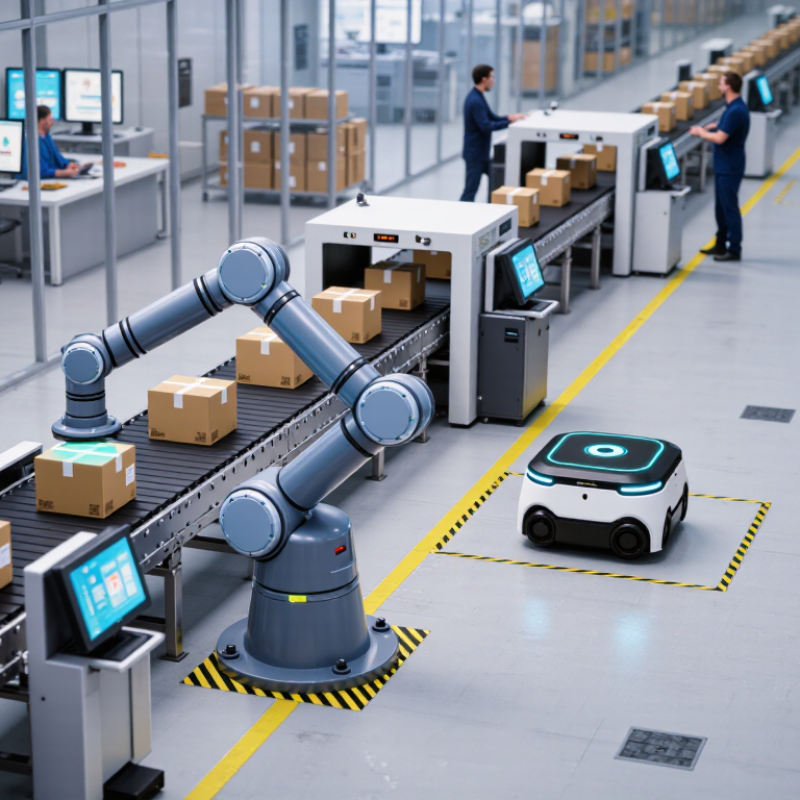
Table of Contents
[Hide]
Identify the Business Needs That Robotics Should Address
Before choosing robotics, name the business problem in plain terms. Is a team losing hours to repetitive picking, inconsistent inspection, or moving heavy bins across a warehouse? Describe the task, where it happens, and how often it causes delays. A vague goal like “work faster” is hard to measure. A specific need, such as reducing missed scans at a packing station, gives you a practical starting point.
Tips: Walk the process during a busy shift. Ask operators where work backs up and what exceptions occur. Record cycle times, error rates, and space constraints for several days. Include maintenance access and staff training in your notes. Small details count.
Check whether robotics addresses the root cause or only moves the bottleneck elsewhere. For example, an automated cart may shorten travel time, but narrow aisles or irregular loads could limit its usefulness. Define a few success measures before comparing systems, such as safe completed tasks per hour and downtime. Talk with the people who will work alongside the equipment; they often spot awkward handoffs early. Their feedback may challenge your assumptions, and that is useful. Real operations are rarely as tidy as a process diagram.
How to Choose Smart Robotics for Your Business? — Identify the Business Needs That Robotics Should Address
| Business need | Suitable robotics | What to measure before selection | Useful success indicators | Key fit and risk checks |
|---|---|---|---|---|
| Move materials between work areas | Autonomous mobile robots (AMRs) or automated guided vehicles (AGVs) | Trips per shift, distance traveled, load weight and dimensions, delivery delays, aisle width, and traffic patterns | On-time deliveries, completed trips, manual transport hours, and interruptions caused by unavailable materials | Check floor conditions, pedestrian interaction, elevator or door access, payload limits, and charging requirements. |
| Automate repetitive machine tending | Industrial robot arm or collaborative robot (cobot), with suitable grippers and safety equipment | Machine cycle time, loading and unloading time, changeover frequency, part variation, and operator availability | Machine utilization, cycle-time consistency, unplanned stops, and operator time available for higher-skill work | Confirm reach, payload, part presentation, machine interface, guarding needs, and safe access for maintenance. |
| Pick, place, sort, or pack products | Robotic picking system, often using machine vision and a suitable end effector | Items per hour, product mix, packaging variation, pick locations, error rates, and seasonal volume changes | Successful picks, order accuracy, throughput, damaged-item rate, and time required to switch products | Test the actual range of items, lighting, occlusion, packaging, and presentation consistency; vision performance depends on these conditions. |
| Inspect products or detect defects consistently | Machine-vision inspection system, optionally integrated with a robot for positioning or sorting | Inspection time, defect types, sample defect rates, lighting conditions, acceptable tolerances, and current rework or scrap | False acceptance and false rejection rates, inspection coverage, traceability, and time to flag a quality issue | Use representative samples, including borderline defects; define acceptance criteria and a process for human review of uncertain results. |
| Reduce exposure to hazardous or ergonomically demanding tasks | Industrial robot, remote-operated system, or mobile robot selected for the specific task and environment | Task frequency, exposure time, manual handling demands, incident and near-miss records, and environmental conditions | Reduced worker exposure, fewer manual handling tasks, task completion time, and safety observations | Assess the task-specific hazards, robot safeguarding, emergency stops, maintenance access, and applicable workplace safety requirements. |
| Improve cleaning consistency in large or repetitive areas | Autonomous floor-cleaning robot or task-specific cleaning robot | Area cleaned per shift, cleaning frequency, floor type, obstacles, access restrictions, and time spent on manual cleaning | Scheduled area coverage, missed areas, cleaning labor hours, and availability during operating hours | Check transitions, narrow spaces, people and equipment traffic, water or debris conditions, and safe operation around staff. |
| Decision rule | Choose robotics only after documenting the current process, defining a measurable problem, testing the proposed system on representative tasks, and comparing total operating costs with expected benefits. Include integration, training, maintenance, safety measures, and downtime in the evaluation. | |||
Related Posts
-

What Are the Top Robotics Engineering Types in 2026?
-
How to Choose AI Robots for Your Business?
-

2025 Top 10 Robotic Solutions Revolutionizing Automation with Over 50 Percent Industry Growth
-

What Is the Best AI Robot Manufacturer in China?
-

10 Robotics Engineering Tips for Global Buyers?
-
What Are Robotic Solutions and How Do They Work?
Customers




Smart Robotics brand movie
Watch video