Why Choose Warehouse Automation Robots?
Why Choose Warehouse Automation Robots?
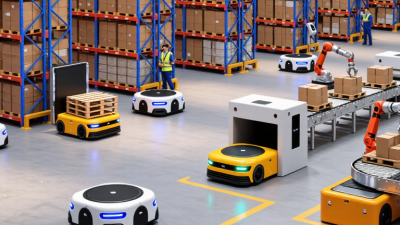
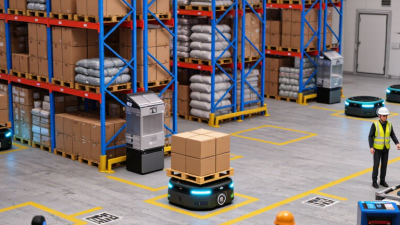
Warehouse automation robots are changing how goods move from receiving docks to customer doors. In a busy facility, they can carry totes, move pallets, scan inventory, and support order picking. A worker may supervise several mobile units while standing beside clearly marked safety zones. The result can be shorter walking distances, faster replenishment, and more consistent order handling.
Amazon Robotics Chief Technologist Tye Brady has often expressed the idea this way: “Robots are not going to take your job; someone who knows how to use robots will.” His observation highlights an important reality. Warehouse automation robots do not remove every operational challenge. They shift attention toward system planning, maintenance, data accuracy, and employee training. That shift matters.
Still, automation is not magic. A poorly designed workflow can make expensive equipment perform badly. Incorrect inventory data can send a robot to the wrong location. Congested aisles can create delays instead of efficiency. Companies should examine order profiles, facility layouts, labor skills, and expected growth before investing. Small pilot projects often reveal problems that spreadsheets miss.
The strongest case for warehouse automation robots is practical, not fashionable. They can reduce repetitive movement and support safer, more predictable operations. Yet people remain essential for judgment, exception handling, and customer-focused decisions. The best results come from treating robots as capable tools, not complete replacements for human expertise.
What Are Warehouse Automation Robots?
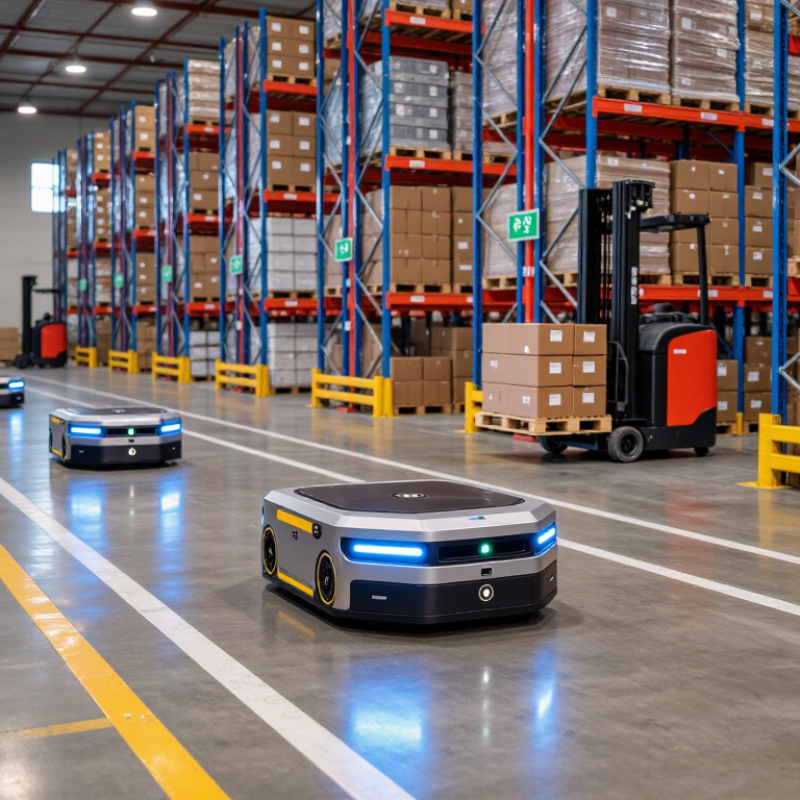
Warehouse automation robots are programmable machines that move, lift, sort, or retrieve goods inside distribution facilities. They include autonomous mobile robots, automated guided vehicles, robotic arms, and shuttle systems. Sensors, cameras, mapping software, and warehouse management systems help them navigate shelves, pallets, and workers. Some carry a tote to a picking station. Others place cartons on conveyors or retrieve inventory from dense storage.
Their importance is growing with warehouse complexity. The International Federation of Robotics reported 541,302 industrial robot installations worldwide in 2023, showing continued investment in robotic operations across industries. MHI’s 2024 Annual Industry Report also identified robotics and automation as major areas of supply chain investment. These figures do not measure warehouse robots alone, but they reveal the broader automation direction. In practice, a robot can reduce walking distance, improve repetitive lifting, and support more consistent order handling.
The definition is not perfectly tidy. Some systems move independently, while others depend heavily on fixed tracks or human instructions. A robot may stop when a reflective floor confuses its sensors. Poor inventory data can also send it toward the wrong shelf. This matters. Effective deployment requires accurate stock records, safety controls, clear traffic routes, and trained operators. A useful test is simple: watch one worker retrieve a heavy tote during a busy shift, then measure time, errors, and physical strain before and after automation. Metrics should guide the decision, not excitement about new machines.
How Warehouse Automation Robots Work
Warehouse automation robots work by combining physical movement, software decisions, and constant environmental feedback. A warehouse management system sends an order task to a fleet-control platform. The platform assigns a suitable robot, based on distance, battery level, and workload. The robot then follows a digital map through storage aisles, packing areas, and charging stations.
Sensors help the machine understand its surroundings. Cameras, laser scanners, and proximity sensors detect shelves, workers, pallets, and unexpected obstacles. If a person steps into its path, the robot slows down or stops. Its wheels adjust direction through small, repeated movements. Some robots carry shelves, while others transport bins or move pallets with lifting equipment. Every trip creates data about travel time, congestion, battery use, and completed tasks.
The process is efficient, but not flawless. Dust, blocked aisles, poor labels, or sudden layout changes can confuse the system. Human workers still handle exceptions, inspect damaged goods, and resolve unclear instructions. That partnership matters. A well-designed system should improve safety and reduce repetitive walking, not remove practical judgment from the warehouse. Regular testing, maintenance, software updates, and staff training keep the operation reliable. Small errors can expose larger design problems. Teams should review them honestly and adjust routes, sensors, or work procedures before expanding automation.
Which Warehouse Tasks Can Robots Perform?
Why Choose Warehouse Automation Robots?
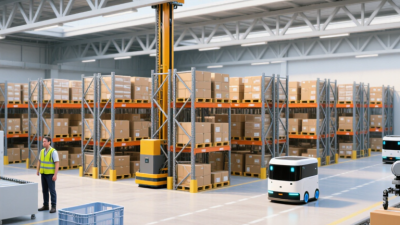
Warehouse robots can handle repetitive movement with steady accuracy. They transport pallets from receiving docks to storage locations. Autonomous mobile units can also carry totes between shelving, picking, and packing areas. Robotic arms can depalletize cartons, sort parcels, and place items into containers. In high-volume facilities, these tasks reduce walking time and help workers focus on exceptions.
The MHI 2024 Annual Industry Report found that 55% of surveyed supply-chain professionals were using robotics and automation. Another 37% expected adoption within two years.
Their work does not stop at order picking. Robots can support putaway, replenishment, cycle counting, and returns inspection. Vision systems read labels and detect empty locations during inventory scans. In some operations, robots bring shelves or bins directly to pickers, reducing unnecessary travel. Interact Analysis reported strong growth in autonomous mobile robot deployments across logistics and manufacturing through 2023. The exact benefit still depends on layout, order profiles, and integration quality. Numbers vary between facilities.
They are not flawless.
A crushed carton, blocked aisle, or unclear barcode can stop a smooth workflow. Human staff still handle judgment, maintenance, safety checks, and unusual products. Poorly planned automation may simply move delays to another area. Warehouse teams should measure travel distance, picking accuracy, recovery time, and energy use before expanding deployment. Small pilots often reveal more than impressive demonstrations.
What Benefits Do Warehouse Automation Robots Provide?
Why Choose Warehouse Automation Robots?
What Benefits Do Warehouse Automation Robots Provide?
Warehouse automation robots help teams move goods with greater consistency. In daily warehouse operations, they can transport cartons between storage, picking, and packing areas. This reduces unnecessary walking and gives employees more time for quality checks and customer orders. Robots can also support faster inventory movement during peak seasons. The benefit is practical.
Less congestion.
Automation may improve picking accuracy when robots follow mapped routes and integrated instructions. Sensors can detect obstacles, while software records movement and task progress. Managers gain clearer operational data, including delays and recurring bottlenecks. This evidence supports better staffing and layout decisions. Robots also reduce repetitive lifting, which may help lower physical strain. However, they do not remove every workplace risk.
Tips: Start with one workflow, such as carton transport. Measure travel time, error rates, and employee feedback before expanding. Keep manual procedures available for unusual orders or system interruptions. Regular maintenance matters. A neglected robot can quickly become a costly obstacle. Staff training is equally important, because safe automation depends on people understanding alerts, limits, and emergency procedures. Integration can be imperfect at first, especially in older facilities. That is normal. Careful testing, transparent performance records, and regular review create more reliable results than rushing toward full automation.
What Factors Guide the Choice of Warehouse Robots?
Choosing warehouse robots starts with the work, not the machine. What loads must move, and how often? A small tote requires different equipment than a heavy pallet. Measure package dimensions, floor conditions, aisle widths, turning space, and average travel distance. Not every aisle fits. These details reveal whether mobile robots, guided vehicles, robotic arms, or a combined system suits the operation.
Reliable decisions also depend on measurable performance. Review hourly order volume, peak-season demand, battery runtime, charging space, maintenance access, and system integration. The robot should communicate accurately with inventory and warehouse management systems. Safety features deserve careful testing around people, shelves, doors, and emergency routes. Data matters. A site survey often exposes problems that product demonstrations hide, such as uneven floors or weak wireless coverage.
Total cost includes installation, training, software updates, spare parts, and occasional downtime. A controlled pilot can test real picking routes and exception handling before wider deployment. Track completed tasks, error rates, recovery time, and worker feedback. Human experience remains valuable; staff often notice awkward handoffs first. People matter. Some early assumptions may prove wrong, especially predicted productivity gains. Recheck them after several operating weeks. Choose a system that can scale with demand, but avoid paying for capacity the warehouse cannot use yet.
Why Choose Warehouse Automation Robots?
What Factors Guide the Choice of Warehouse Robots?
The chart presents a transparent planning model for comparing warehouse robot options. Throughput and payload capacity receive the highest weights because they directly affect order volume and load handling. Flexibility, system integration, safety, and lifecycle cost should also be evaluated against the warehouse layout, workflow, and future growth plans.