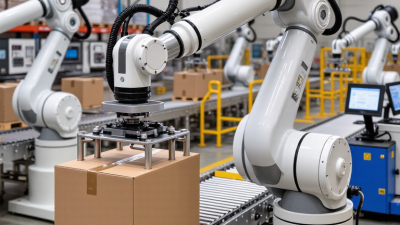
Warehouse automation robots are no longer confined to futuristic demonstrations. They move cartons, carry shelves, sort parcels, and help workers reach inventory across busy buildings. Yet the term covers very different machines. Autonomous mobile robots travel along changing routes, while automated guided vehicles often follow fixed paths. Robotic arms handle picking or palletizing, and shuttle systems move totes through dense storage structures. Each design solves a different problem.
A useful business-automation principle comes from technology leader Bill Gates: “The first rule of any technology used in a business is that automation applied to an efficient operation will magnify the efficiency. The second is that automation applied to an inefficient operation will magnify the inefficiency.” This is not a warehouse-specific verdict, but it offers a practical test: map the work before choosing the robot. A narrow aisle, an uneven floor, or a sudden rush of orders can change what performs well. Small details matter.
This guide compares the top types of warehouse automation robots, their typical tasks, and the trade-offs behind them. It also considers how robots interact with people, software, racks, and existing workflows. Faster movement is not always better. A robot can reduce repetitive walking, yet poor integration may create new bottlenecks at packing stations. That deserves a closer look. The right choice depends on the operation’s actual constraints, not just a polished product demo.
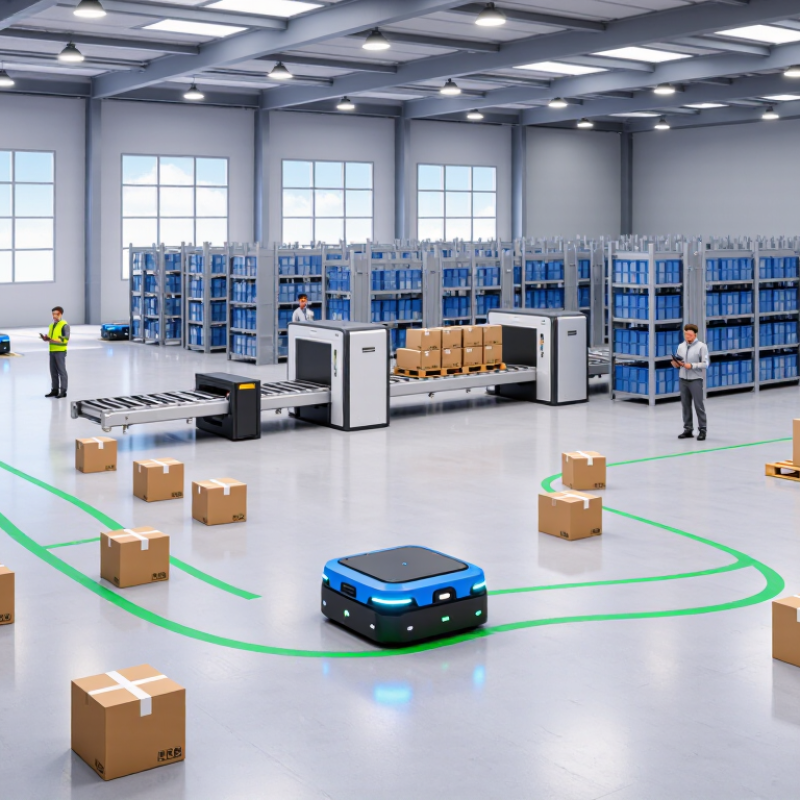
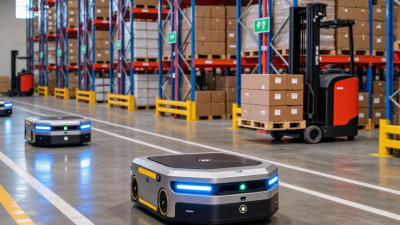
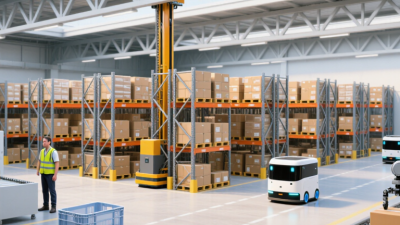
Warehouse automation robots move inventory through tasks that once required repeated manual travel. Autonomous mobile robots can carry totes from storage shelves to picking stations, while pallet-moving robots transport heavy loads across marked warehouse lanes. Robotic arms may pick, place, or sort items when products are presented consistently. Each system depends on clear routes, reliable inventory data, and safe handoffs with workers.
These robots do more than move goods. They can support replenishment by bringing stock to forward-picking areas, reduce walking during order picking, and send completed totes toward packing or sorting zones. Sensors help robots detect obstacles, slow down, or stop near people. Software coordinates jobs and tracks movement, but it cannot fix inaccurate item locations by itself. That assumption can be wrong. A misplaced carton may still delay an order, even in a highly automated building.
Tips: Start with one repetitive workflow, such as moving totes between storage and packing. Measure travel time, missed scans, and worker interruptions before expanding. Keep aisles clear, test exception handling, and ask staff where the process feels awkward. Small details matter. A robot may need a wider turn than expected.
Automated guided vehicles (AGVs) and autonomous mobile robots (AMRs) move pallets, totes, and carts through warehouses. AGVs usually follow fixed routes marked by tape, wires, or floor reflectors. They suit repeatable trips between receiving, storage, and packing areas. AMRs use onboard sensors and maps to navigate, and can often reroute around temporary obstacles. They offer more flexibility, though they still depend on safe layouts, reliable fleet software, and clear operating rules.
Demand is growing. The International Federation of Robotics’ World Robotics 2024 report recorded about 113,000 professional service robots sold for transportation and logistics in 2023, a 35% year-on-year increase. That category is broader than warehouse robots alone, so the figure signals momentum rather than a warehouse-only count. In practice, an AGV may carry a pallet along a marked aisle, while an AMR brings a tote to a worker’s station. Not every aisle is predictable. A parked cart, changing traffic, or a weak wireless signal can disrupt even a well-planned route. Teams should test real traffic patterns, charging needs, and handoffs before expanding a fleet; neat floor plans rarely capture every shift’s mess.
Relative task-suitability ratings on a 1–5 scale, based on typical operating characteristics—not measured performance data. AGVs are well suited to repeatable routes, while AMRs can adapt more readily to changing layouts and obstacles. Actual capabilities vary by system and site.
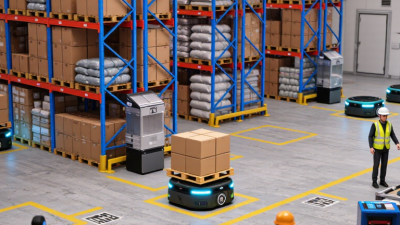
Goods-to-person robots bring shelves, totes, or cartons to fixed picking stations, reducing long walks across warehouse floors. Workers stay near scanners and packing materials while mobile units follow mapped routes and pause at marked handoff points. This can shorten pick cycles, especially for small items with frequent orders. But movement is not magic. A poorly arranged station can become the new bottleneck. Robotic storage systems retrieve bins from dense racks and deliver them to operators, making better use of vertical space. Accurate inventory records matter: one misplaced tote can slow the next pick. Regular cycle counts help catch errors early.
Tips: Track order lines per hour before choosing a system. Keep charging zones clear. Test aisle crossings during a busy shift, not only in a quiet demonstration. Leave space for replenishment carts. Small layout details matter.
These systems handle repeatable travel well, but unusual items and urgent exceptions still need human judgment. Check how the robots connect with order software, packing stations, and replenishment workflows. Speed targets should include maintenance and recovery time, not just ideal runs. Otherwise, a dashboard may look excellent until a jam occurs. That deserves review.
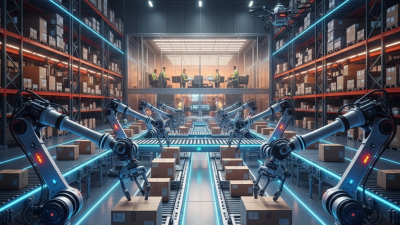
Robotic picking, packing, and sorting machines handle the repetitive movement between storage, order assembly, and dispatch. Picking robots may use cameras and grippers to lift individual items from bins, while robotic arms place goods into cartons and add protective material. At the conveyor, sorting systems scan labels and divert parcels to the correct lane. The benefit is practical: fewer long walks across the warehouse and more consistent parcel flow. But fragile, reflective, or oddly shaped items can still challenge a robot.
MHI’s 2024 Annual Industry Report found that 55% of surveyed supply chain professionals planned to increase technology investment. That signals strong interest, not guaranteed returns for every site. IFR’s World Robotics 2024 reported 541,302 industrial robots installed worldwide in 2023; this broader figure includes industries beyond warehousing. For a warehouse, measure results locally: items picked per hour, packing errors, jam frequency, and downtime. A robot that moves quickly but regularly stops may slow the whole line.
Tips: Test with real orders, including awkward products and peak-season volumes. Check how robots hand off totes to conveyors and how workers clear jams. Leave space for maintenance access. Small details matter. One caution: automation plans often underestimate software tuning and staff training, so budget time for both.
Warehouse robots differ less by appearance than by the work they take over. Autonomous mobile robots (AMRs) navigate around people and changing obstacles, carrying totes or small loads between pick zones and packing benches. They suit flexible layouts, but still need clear traffic rules and reliable floor maps. Small details matter. A loose stretch-wrap tail or blocked charging point can slow an otherwise smooth route. Automated guided vehicles (AGVs), by contrast, usually follow fixed paths or embedded guidance. This makes them predictable for repeated trips between the same stations. They can work well where routes rarely change. But flexibility is limited.
Goods-to-person systems bring shelves, bins, or cartons to stationary workers, reducing walking during high-volume picking. They can raise throughput, although the handoff area may become a bottleneck when orders arrive unevenly. Robotic arms handle tasks such as depalletizing, case picking, and palletizing. Their reach, gripper, and vision setup determine which loads they can manage consistently. Not magic. A soft package, crushed carton, or unusual item position may require a slower cycle or human review. Sorting robots focus on routing parcels to chutes or lanes, often at high speed, but labels and dimensions need to be readable. Compare payload, travel distance, pick accuracy, and exception handling against the actual shift. That last part gets overlooked. Pilot data can reveal awkward gaps: an aisle may look efficient on paper and still jam during shift changes.
| Robot Type | How It Moves or Works | Typical Warehouse Use | Typical Payload or Load | Main Strength | Key Consideration |
|---|---|---|---|---|---|
| Automated Guided Vehicle (AGV) | Follows predefined routes using technologies such as floor markers, magnetic tape, reflectors, or mapped guidance. | Moving pallets, containers, or production materials along repeatable routes. | Ranges from small loads to several tonnes, depending on the vehicle design. | Reliable and predictable for stable, high-volume transport flows. | Route changes may require infrastructure updates or reconfiguration; obstacles can interrupt traffic. |
| Autonomous Mobile Robot (AMR) | Uses onboard sensors and maps to navigate, detect obstacles, and select or adjust routes. | Transporting totes, cartons, or work between receiving, storage, picking, and packing areas. | Commonly designed for loads from tens of kilograms to over one tonne. | Can adapt more readily to changing layouts and temporary obstacles than fixed-route systems. | Performance depends on traffic planning, floor conditions, network coverage, and safe site design. |
| Goods-to-Person Mobile Robot | Moves a shelf, rack, tote, or other storage unit to a stationary picking or replenishment workstation. | Reducing walking in e-commerce, retail, and parts-picking operations. | Varies by system; units may carry individual totes or substantial shelving modules. | Brings inventory to workers and can increase picking productivity in suitable layouts. | Requires coordinated storage locations, workstation processes, and software integration. |
| Autonomous Pallet Truck | Moves pallet loads at floor level, often using onboard navigation and safety sensors. | Transporting pallets between docks, staging areas, production lines, and storage zones. | Often around 1–2 tonnes, with rated capacity dependent on the design. | Automates frequent pallet moves without requiring a fixed conveyor route. | Needs suitable aisle widths, clear pickup and drop-off points, and compatible pallets. |
| Autonomous Forklift or Reach Truck | Lifts and transports pallets; reach-truck designs can place loads into elevated rack locations. | Pallet put-away, retrieval, replenishment, and movement between storage levels. | Common warehouse designs handle roughly 1–3 tonnes; lift height and capacity vary. | Combines horizontal travel with pallet lifting, including work in rack aisles. | Requires careful aisle, rack, load, and pedestrian-safety planning. |
| Robotic Piece-Picking Arm | Uses a robotic arm, camera or other sensing, and a gripper to identify and handle individual items. | Picking items from bins or conveyors for order fulfillment, sorting, or induction. | Usually suited to individual items rather than pallet loads; payload varies by arm and end effector. | Can automate repetitive item handling and operate alongside conveyor-based workflows. | Item shape, packaging, visibility, presentation, and gripper compatibility affect picking reliability. |
| Robotic Palletizer | Places cases or bags into planned patterns on a pallet using a robotic arm and end-of-arm tooling. | Building outbound or storage pallets at packing, production, and shipping areas. | Selected according to the weight and dimensions of the cases or products being handled. | Supports consistent stacking and can reduce repetitive manual lifting. | Needs defined product patterns, stable packaging, and adequate space for pallet handling. |
| Autonomous Sortation Robot | Carries parcels or totes across a mapped floor and deposits them at designated sort destinations. | High-volume parcel, e-commerce, and returns sorting. | Generally handles individual parcels or totes; size and weight limits are system-specific. | Can provide flexible sorting capacity and add destinations without a large fixed conveyor network. | Throughput depends on fleet size, destination layout, parcel characteristics, and control software. |
Note: Payloads and performance vary by model, configuration, site conditions, and safety requirements. Figures and descriptions are representative rather than universal specifications.
Watch video