What Are the Best Packaging Robots from China?
Choosing the best packaging robots from China requires more than comparing catalog prices. It demands a close look at factory realities, service capability, and long-term reliability. A robot may move 40 cartons per minute in a demonstration. Your line may achieve less after product changes, dust, vibration, or uneven carton quality.
Chinese manufacturers now offer wide solutions for palletizing, case packing, pick-and-place, wrapping, and machine vision. Established names such as Estun, Siasun, EFORT, and Inovance deserve careful evaluation. However, brand recognition alone cannot prove suitability. Buyers should check payload, reach, cycle time, gripper design, software compatibility, safety functions, and spare-parts availability. Ask for a test using your actual cartons and products. That detail matters.
“Robots are not taking jobs; they are changing jobs,” said Joe Gemma, former president of the International Federation of Robotics. His observation remains relevant to packaging robots, especially where repetitive lifting creates fatigue and inconsistent output. The strongest systems support workers rather than simply replace them. Operators still need clear interfaces, quick changeovers, and practical training.
There is no universal winner.
A food producer may prioritize hygienic design and washdown resistance. A logistics warehouse may value speed, vision accuracy, and flexible layouts. A smaller factory may need affordable integration more than maximum throughput. My own judgment would remain cautious: some impressive demonstrations hide difficult maintenance conditions. This guide compares leading Chinese packaging robots through measurable performance, application fit, supplier support, and honest limitations.
What Are Packaging Robots and How Do They Work?
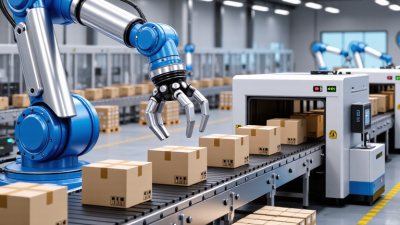
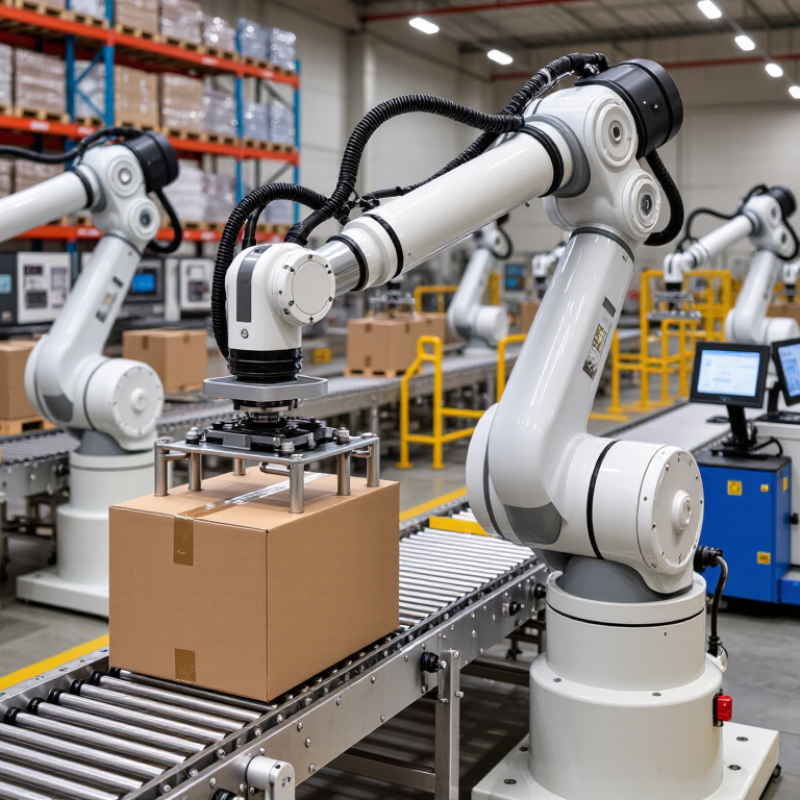
Packaging robots are programmable machines that move, sort, fill, seal, or palletize products. Chinese packaging robots commonly support food, medicine, electronics, and household goods production. Their frames usually combine motors, controllers, sensors, conveyors, and specialized grippers. The gripper may use vacuum cups for cartons or soft fingers for fragile items.
A typical cycle begins when a sensor detects a product on the conveyor. A controller calculates its position and sends instructions to the robot arm. The arm then picks the item, rotates it, and places it into a box or tray. Vision systems can check shape, color, orientation, and missing components before handling. Weight sensors and barcode readers may add another verification layer. It is not magic.
During factory testing, engineers usually adjust speed, reach, gripping pressure, and timing. A carton that looks stable in a drawing may collapse during fast movement. Dust, slippery packaging film, and uneven product spacing can also reduce accuracy.
I have found that a slower first trial often reveals more than a polished demonstration. Operators still need clear controls, guarded working areas, and regular maintenance records. Software backups matter too, especially after changing product sizes. The best system is not always the fastest one. It should remain predictable when materials, temperatures, or production schedules change.
Which Types of Packaging Robots Are Made in China?
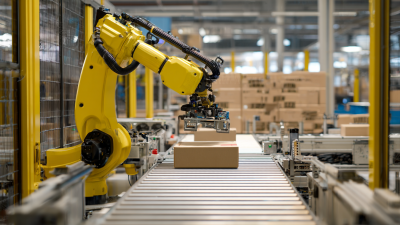
China manufactures several practical packaging robot types, from compact delta pickers to heavy-duty palletizers. On factory floors, delta robots sort biscuits, pouches, and small cartons at high speed. SCARA robots place products into trays with controlled, repeatable movement. Six-axis robots handle irregular products and tight packing angles.
Case-packing robots load cartons into shipping cases, while robotic cartoners insert products into retail boxes. Collaborative robots are also used for lightweight case handling and secondary packaging. However, their speed can fall when products arrive unevenly. The boundary between a packaging robot and a general industrial robot is not always clean.
China’s production scale supports this range. The International Federation of Robotics reported 276,288 industrial robot installations in China during 2023, representing about 51% of global installations. The report also shows China’s large domestic automation base, which helps suppliers develop palletizing, depalletizing, wrapping, and carton-sealing systems. Fortune Business Insights estimates strong growth in the global packaging robotics market through 2032, driven by labor shortages, hygiene requirements, and flexible production. These figures do not guarantee every Chinese system performs equally. Buyers should test gripping stability, changeover time, safety functions, and service response using real products. A robot that looks fast in a brochure may struggle with soft bags, dusty cartons, or mixed-size cases.
What Features Define the Best Chinese Packaging Robots?
What Features Define the Best Chinese Packaging Robots?
The best Chinese packaging robots are defined by practical performance, not impressive brochures. In a busy packing line, repeatability matters more than peak speed. A capable robot places cartons within tight tolerances, even after hours of operation. Smooth servo control reduces crushed boxes and unstable stacks. Payload capacity should match the product, gripper, and packaging material. Leave a safety margin. It prevents awkward movements.
Vision integration is another important feature. Cameras can identify orientation, gaps, and damaged packs before handling. However, vision systems need stable lighting and clean lenses. Otherwise, a clever setup may become a daily source of stops. Strong Chinese systems also offer flexible programming, clear diagnostics, and common communication protocols. Technicians should adjust recipes without rebuilding the entire line. Remote access can shorten response time, but secure permissions and audit records remain essential.
Mechanical design reveals long-term quality. Look for sealed joints, protected cables, washable surfaces, and accessible maintenance points. Food and pharmaceutical applications demand suitable materials and documented hygiene practices. Safety should include guarded zones, reliable sensors, emergency controls, and risk assessment. Independent testing and traceable documentation strengthen confidence in the supplier. From commissioning experience, training quality often decides whether a robot reaches its rated output. Some machines are excellent on paper but frustrating in production. Ask for cycle tests using your actual cartons, film, and product variation. A realistic factory trial exposes small weaknesses early.
What Are the Best Packaging Robots from China?
Throughput benchmarks by packaging application show why speed, repeatability, payload capacity, and integration flexibility are key features of high-performance packaging robots.
The chart uses commonly published engineering reference points for packaging automation rather than company or brand-specific data. Pick-and-place systems typically deliver the highest cycle rates, while palletizing robots prioritize payload capacity, reach, safety, and reliable 24/7 operation. The best solution balances throughput with repeatability, machine vision, easy programming, and compatibility with existing production lines.
How to Compare Chinese Packaging Robot Manufacturers?
When comparing Chinese packaging robot manufacturers, look beyond catalog prices and polished videos. Start with the application: product weight, package dimensions, line speed, and required picking accuracy. A reliable supplier should calculate robot reach, payload, cycle time, and end-of-arm tooling requirements from your real samples.
Ask for a documented factory acceptance test using products similar to yours. Watch how the robot handles damaged cartons, reflective film, uneven spacing, and brief conveyor stops. Numbers matter. Request recorded cycle-time data, fault logs, safety documents, and references from comparable production lines. A neat demonstration can mislead.
Technical support deserves equal attention. Check the engineering team’s response time, software training, spare-parts availability, and remote diagnosis process. Confirm whether the controller communicates with your existing PLC and warehouse systems. Review installation schedules in writing.
During supplier evaluations, I have seen attractive quotations hide expensive tooling changes and delayed commissioning. That gap matters. Also examine quality-control records, final inspection procedures, and warranty terms. A manufacturer may offer strong mechanical design but weaker documentation. This is where careful questioning helps. Do not rely on promises alone; ask for test reports, drawings, maintenance intervals, and clear acceptance criteria before signing.
How to Choose the Right Packaging Robot for Your Business?
Choosing the best packaging robot from China starts with your product, not a catalog.
Define package size, weight, material, and hourly demand. A carton erector suits cases, while a pick-and-place arm suits lighter retail packs. Observe the line during its busiest hour. Real conditions expose problems that brochures often hide. Short test cycles can mislead.
Ask for a sample run using your own products. Measure pick accuracy, cycle time, changeover minutes, and rejected packages. Request maintenance records, spare-parts lead times, electrical drawings, and operator manuals.
A serious manufacturer should explain gripper design, sensor placement, and safety guarding clearly. Check whether the robot integrates with conveyors, printers, scales, and existing controls.
Confirm factory acceptance testing and remote support before payment.
Do not rely on a polished video.
It proves very little.
Calculate total cost over five years, including installation, training, energy, tooling, downtime, and replacement parts. Choose a system your technicians can actually maintain. Fancy automation may underperform when film dust reaches sensors or package dimensions change. Review risk assessments and local safety requirements with a qualified engineer. Performance claims need written acceptance criteria. No robot is perfect. Leave room for manual intervention during unusual batches. Reconsider your choice after a pilot, because the cheapest successful test may still create expensive bottlenecks later.