Why Are Packaging Robots Essential for Global Buyers?
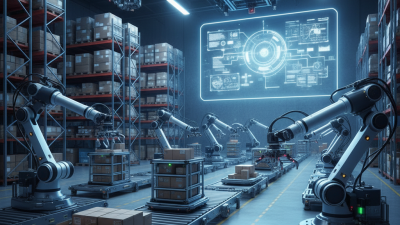
Global buyers are reassessing packaging robots as labor shortages, delivery pressure, and product variation reshape factory decisions. A carton moving across a conveyor cannot wait for a missing operator. A robotic arm can pick, place, seal, and palletize with repeatable timing.
The International Federation of Robotics reported 4.28 million industrial robots operating worldwide in 2023, a 10% increase from the previous year. Its World Robotics 2024 report also identified electronics, automotive, and logistics as major automation users. Packaging connects these sectors. It protects products, controls handling costs, and supports faster distribution across borders.
PMMI’s 2024 industry research highlights continuing investment in automation, digitalization, and workforce development within packaging operations. These trends matter to global buyers because equipment must perform across multiple products, package sizes, and production shifts. A packaging robots system can reduce repetitive lifting, improve placement consistency, and provide trackable production data. Yet automation is not automatically efficient. Poor integration, weak training, and unsuitable grippers can create expensive delays.
Marina Bill, President of the International Federation of Robotics, has said, “Robots are a key technology to remain competitive in a global market.” Her point applies directly to packaging lines. Competitiveness now includes flexibility, safety, uptime, and responsible resource use.
The evidence is persuasive, but not complete. Reported benefits vary by factory, product, and maintenance capability. Buyers should examine cycle time, changeover speed, service coverage, and total ownership cost before purchasing. The best solution is rarely the most complex one. It is the system that works reliably at 2 a.m., with a new package format and a trained local team.
What Packaging Robots Are and How They Work
Why Are Packaging Robots Essential for Global Buyers?
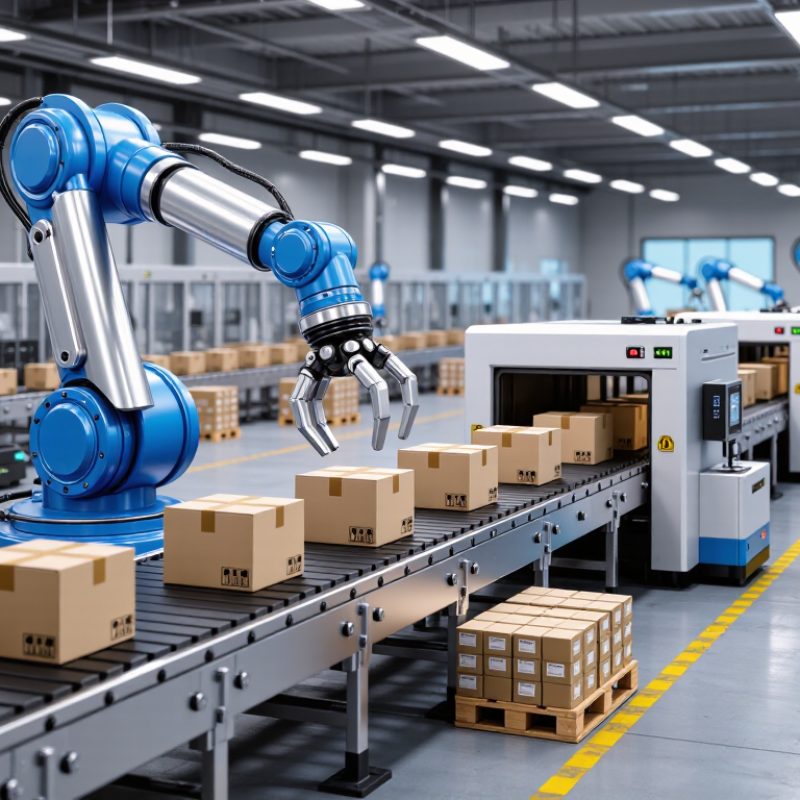
Packaging robots are programmable machines that handle repetitive tasks on production lines. They can pick products, fill containers, seal packages, apply labels, and arrange cartons on pallets. Their movements come from motors, robotic arms, grippers, conveyors, sensors, and control software. A central controller coordinates each action. It receives signals, checks positions, and adjusts timing. This process helps buyers manage different package sizes and changing order volumes.
A vision sensor can identify an item’s shape, color, or position before the robot moves. A gripper then lifts it carefully, while a sealing unit closes the package. If a carton shifts, the system may stop or correct the movement. Operators still inspect settings, materials, and safety zones. Automation reduces repetitive strain and improves consistency, but it is not flawless. Poor calibration can cause crushed boxes, missed labels, or costly delays. Global buyers should examine local service support, spare parts, training, and integration requirements before purchasing. These details often matter more than impressive speed figures.
Tips: Test the robot with real products and packaging materials. Measure cycle time, changeover time, and error rates. Ask how operators reset faults. Keep safety procedures clear. A small trial can reveal problems that a sales demonstration hides.
Why Global Buyers Choose Robotic Packaging Systems
Global buyers choose robotic packaging systems because they need stable output across changing markets. According to the International Federation of Robotics’ World Robotics 2024 report, factories installed 541,302 industrial robots worldwide in 2023. Packaging operations form part of this wider automation movement. Robots handle cartons, trays, and pallets with repeatable positioning, even during long shifts. Fewer manual touches can also reduce product damage and workplace strain.
The business case becomes clearer when orders change quickly. A robotic cell can switch between package sizes through programmed recipes, rather than rebuilding an entire line. Vision sensors check labels, gaps, and orientation before products leave the station. That detail matters. A small alignment error can stop a full shipment. PMMI industry studies repeatedly identify labor availability, e-commerce growth, and flexible production as major packaging automation drivers. Buyers also value measurable data, including cycle time, reject rates, energy use, and maintenance intervals.
Robots are not a perfect answer. Poor integration creates expensive bottlenecks. A fast robot cannot compensate for weak feeding, unclear specifications, or slow changeovers. Experienced buyers therefore examine the complete line, operator training, spare parts, and local technical support. The best system is not always the fastest. It is the one that delivers reliable performance after real products, dust, delays, and imperfect packaging enter the process.
Why Global Buyers Choose Robotic Packaging Systems
Global industrial robot installations have remained at historically high levels, indicating sustained investment in automation. For packaging operations, robotic systems help buyers improve throughput, consistency, labor efficiency, and production flexibility.
Data: Annual global industrial robot installations, 2019–2023, based on International Federation of Robotics World Robotics reports. The figures cover all industries and are used as a broad indicator of global automation investment.
How Packaging Robots Improve Efficiency and Product Consistency
Why Are Packaging Robots Essential for Global Buyers?
How Packaging Robots Improve Efficiency and Product Consistency
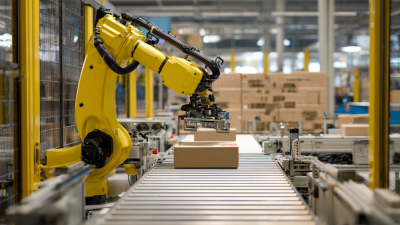
Packaging robots help global buyers receive products faster and with fewer handling errors. At a busy export facility, one robotic arm can pick cartons, position them, and seal cases repeatedly. Sensors check carton size, product presence, and package alignment. This reduces delays caused by uneven manual movements. It also keeps packaging lines running during long shifts.
Consistency matters when products travel through different warehouses and markets. A robot applies similar pressure to each seal and places items in a repeatable pattern. Weight checks can identify missing units before shipment. Clear placement also improves pallet stability and reduces wasted space. These details affect transport costs and customer confidence.
However, robots are not perfect. Reflective film, dusty sensors, or unusual carton shapes can interrupt their routine. Production teams should inspect equipment, calibrate sensors, and keep manual checks in place. That extra work can feel inefficient at first. It prevents larger problems later. In practical operations, buyers should review cycle speed, error records, maintenance needs, and operator training before choosing automation. A fast robot with poor integration may create bottlenecks instead of solving them. Human judgment still matters, especially when packaging designs change or shipment requirements differ between markets.
Key Robot Types Used in Modern Packaging Operations
Why Are Packaging Robots Essential for Global Buyers?
Modern packaging operations use several robot types, each suited to a different task. Pick-and-place robots move cartons, pouches, or bottles quickly between conveyors. Delta robots are ideal for lightweight products and high-speed sorting. Their compact arms can repeat precise movements for long production periods.
Articulated robots handle flexible tasks, including case packing, loading, and palletizing. Their multiple joints help them reach awkward positions around boxes and containers. Collaborative robots support workers during smaller production runs or frequent product changes. I have found that simple programming and safe working zones matter as much as speed. A fast machine is not always the best investment.
Tips: Match the robot to product weight, package shape, and required cycle time. Check gripping performance with dusty, soft, or uneven packages. Ask suppliers for real production tests, not only laboratory figures. Leave room for maintenance access and future line changes. Small oversights become expensive later.
Global buyers should also examine service training, spare-part availability, and control-system compatibility. These details affect uptime across different facilities and working environments. Vision-guided robots can identify package position changes, reducing manual corrections. Still, sensors may misread reflective film or damaged labels. Testing real materials is essential. No system is perfect. A careful evaluation creates a more reliable packaging line.
What Global Buyers Should Evaluate Before Purchasing Packaging Robots
Global buyers should evaluate packaging robots as production systems, not isolated machines. Start with the real packaging task: carton dimensions, product weight, film behavior, and hourly demand. Ask for tested cycle times using your products, not ideal sample boxes. A faster robot is not always better. Stable placement matters more than impressive speed.
Check changeover time with a stopwatch. Operators may handle several sizes during one shift. Tool-free adjustments, clear controls, and recipe storage can reduce mistakes. Inspect the robot’s reach, floor space, guarding, sensors, and connection options. Confirm compatibility with conveyors, weighing equipment, vision systems, and existing software. Small integration gaps can stop a whole line.
Safety and compliance require documented evidence. Request risk assessments, electrical documentation, emergency-stop testing, and applicable market certifications. Evaluate service response, spare-parts availability, training, and remote support in the buyer’s region. Calculate total ownership costs, including energy, maintenance, tooling, rejected packages, and downtime. Ask for references from facilities with similar products and working conditions. Paper performance can disappoint. A site acceptance test with agreed measurements is wiser. Test it live. Even then, humidity, dusty floors, and changing operators may expose weaknesses that factory demonstrations miss. Leave room for uncertainty, and record every assumption before signing.