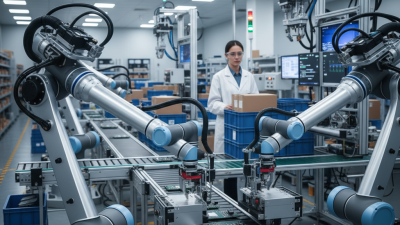
Top 10 Benefits of Palletizing Robots for Your Business?
In today's fast-paced manufacturing landscape, businesses seek efficiency and precision. Palletizing robots are emerging as vital assets in this transformation. Industry expert Dr. Emily Chen, a robotic automation specialist, once stated, "Palletizing robots optimize operations and reduce labor costs significantly." This insight highlights the growing significance of these machines.
Palletizing robots streamline the packing process. They maximize space and reduce errors. In warehouses, these robots handle heavy loads with ease. They also work tirelessly, unlike human workers, reducing fatigue-related errors. Additionally, investing in a palletizing robot means fewer workplace injuries. This aspect alone can improve overall safety.
However, it’s essential to consider your specific needs before making a purchase. Not all palletizing robots are created equal. Businesses must evaluate factors like load types and available space. There is no one-size-fits-all solution. By thoughtfully assessing these elements, companies can harness the full potential of palletizing robots to enhance productivity and profitability.

Advantages of Automating Warehousing with Palletizing Robots
Palletizing robots are transforming how businesses handle warehousing. Automating this process brings numerous advantages. First, these robots reduce the risk of workplace injuries. Human workers often face repetitive strain from manual palletizing. With robots, the physical strain is lifted, allowing workers to focus on more skilled tasks.
Cost savings are another significant benefit. Companies can decrease labor costs with efficient automation. Robots operate consistently and can work around the clock. This leads to increased productivity and faster turnaround times. However, the initial investment can seem daunting for some businesses. They might not see an immediate return on investment, creating hesitation.
In implementing palletizing robots, it's crucial to choose the right specifications. Assess your current workflow and identify bottlenecks. You might need to consider the types of products being handled. Adaptability is important; not all robots fit every task. Regular assessments can ensure the system is performing optimally. Always remember, automation should enhance human capabilities, not completely replace them.
Enhancing Efficiency: How Palletizing Robots Speed Up Operations
Palletizing robots have become a vital asset in modern manufacturing. They significantly enhance efficiency and speed up operations. With automated systems in place, companies can handle many more pallets per hour than manual labor. This increase in speed not only reduces labor costs but also minimizes errors during the loading and unloading process. The precision of robots ensures consistent placement. This uniformity reduces the risk of product damage and enhances overall safety.
Moreover, the integration of palletizing robots addresses workforce challenges. Many industries suffer from labor shortages, making it hard to meet demand. By incorporating robots, businesses can maintain productivity levels without relying solely on human resources. However, this transition requires training. Workers must adapt to new technologies. It's essential to foster a culture of collaboration between human and machine. This collaborative spirit encourages innovation and highlights areas for improvement.
While palletizing robots are remarkably efficient, it's essential to recognize potential drawbacks. Initial investment costs can be high. Companies must carefully assess their long-term benefits. Continuous monitoring and maintenance are also crucial. Malfunctions can lead to significant downtime. Businesses should prepare for the learning curve that comes with new technology. Balancing these challenges with the advantages will ultimately define the success of automation in palletizing processes.
Cost Savings: Reducing Labor and Operational Expenses with Automation
In the modern manufacturing landscape, businesses seek ways to enhance efficiency and lower costs. Palletizing robots have emerged as a crucial solution, offering significant savings in labor and operational expenses. According to a report from the International Federation of Robotics, robotic automation can reduce labor costs by up to 30%. These savings are not just theoretical; many companies have already seen measurable impacts on their bottom line.
By implementing palletizing robots, labor-intensive tasks become streamlined. Robots perform repetitive tasks consistently and with precision, reducing the risk of human error. For instance, a study by McKinsey reveals that automation can increase productivity by 20 to 25%. This efficiency is paramount for businesses facing workforce shortages, as machines can operate continuously without downtime. However, the initial investment in robotic systems can be daunting, leading some companies to hesitate. It’s essential to weigh these costs against the long-term savings and productivity gains.
Flexibility is another crucial aspect. Many palletizing robots are designed to handle various products, adapting to different weights and dimensions. This adaptability can lead to further cost reductions, as companies do not need to invest in multiple systems for different tasks. Yet, continuous advancements in technology mean businesses must stay informed and ready to adapt. As the industry evolves, integrating robotic solutions can create new challenges and opportunities, making it vital to reassess operational strategies regularly.
Improving Product Safety: Risk Mitigation Through Automated Palletizing
Automated palletizing systems significantly enhance product safety in various industries. By utilizing palletizing robots, businesses can minimize the risk of injuries among workers. According to data from the Occupational Safety and Health Administration (OSHA), improper lifting and repetitive strain injuries account for a large number of workplace accidents. Automating these processes not only protects employees but also ensures consistent and reliable handling of goods.
Moreover, robotic palletizers specialize in maintaining product integrity during the loading process. A report from the International Federation of Robotics indicates that automated systems can reduce product damage by up to 25%. This is critical, especially in industries dealing with fragile or high-value items. With automated palletizing, the precision of robotic arms prevents the risks associated with human error, from dropping products to misaligning stacks.
However, transitioning to automation does present challenges. Companies must invest in training staff to operate and maintain these systems, which can incur costs. There is also the need for regular maintenance to ensure optimal performance. These factors require careful consideration, as they can influence the overall benefits of automated palletizing in achieving product safety and risk mitigation.
Scalability: Adapting Palletizing Solutions to Business Growth Needs
Scalability is a key advantage of palletizing robots. As businesses grow, their operational needs change. A flexible palletizing solution can adapt seamlessly. It allows companies to increase production without major overhauls. This adaptability can save time and money.
By implementing robotic systems, businesses position themselves for future growth. New configurations can be added or modified. This means less downtime during transitions. Companies can adjust their palletizing processes based on product variations or production rates. The initial setup may require trial and error. However, continuous improvements can refine efficiency.
In the dynamic world of manufacturing, meeting fluctuating demands is crucial. Utilizing scalable palletizing robots enhances this ability. Businesses can maintain output quality and efficiency as they scale. Regular assessments can guide necessary adjustments. Embracing such technologies prepares operations for unexpected changes in the market. This approach enables firms to thrive despite challenges.