How to Choose the Best Cobot Palletizer for Your Business?
In the rapidly evolving landscape of automated solutions, choosing the best cobot palletizer is crucial for enhancing efficiency. Companies face numerous options, each claiming unmatched performance. However, not all cobot palletizers are created equal. An ideal choice should align with your specific operational needs.
Many businesses overlook factors like payload capacity and workspace configuration. Ignoring these details can lead to suboptimal performance and increased costs. It's essential to weigh the technology's capabilities against your production goals. Consider not only the features but also how easily the system can integrate into existing workflows.
When selecting a cobot palletizer, seek expert insights and real-world testimonials. Engaging with knowledgeable professionals can help clarify the strengths and weaknesses of various models. Understand that while automation promises great potential, the right choice can make a significant difference in your overall productivity.
Understanding Cobot Palletizers: Basics and Benefits
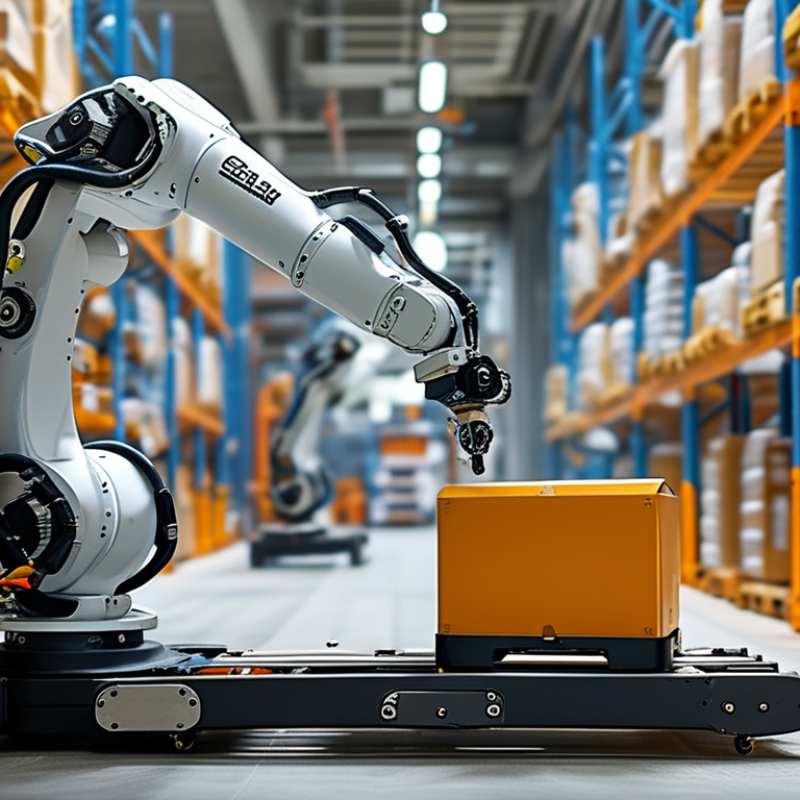
Cobot palletizers are revolutionizing warehouse automation. They combine the flexibility of collaborative robots with the efficiency of traditional palletizing systems. According to a report from Research and Markets, the global cobot market is projected to grow at a CAGR of 38.3% through 2025. This surge indicates a rising demand for automation, especially in industries like food and beverage, where efficiency is crucial.
Understanding the benefits of cobot palletizers is vital. They can work alongside human operators, enhancing productivity without sacrificing safety. For example, a cobot can handle up to 20 picks per minute, significantly reducing the time for repetitive tasks. Moreover, a study by the International Federation of Robotics highlighted that 32% of companies implementing cobots reported increased output within the first six months. This performance boost is impressive but also prompts questions about training and integration with existing systems.
It is important to acknowledge that cobots are not a one-size-fits-all solution. Each business has unique requirements that need to be considered. Some operations may struggle with integrating cobots due to layout constraints or product variability. Evaluating these factors critically can lead to better implementation strategies. Flexibility and scalability are key, yet not all operations may leverage these benefits effectively.
Assessing Your Business Needs for Automation Solutions
When assessing your business needs for automation solutions, it’s crucial to identify specific goals and challenges. Start by analyzing your current workflow. Determine the processes that consume the most time and labor. For instance, if your team spends hours palletizing products, a cobot might be the answer. Look for areas that frequently lead to errors or delays. This will help you pinpoint where automation can add value.
Next, consider the scalability of your chosen solution. Automation should not just fix current issues but also grow with your demands. If your production increases or shifts, will the cobot adapt easily? Evaluate how the technology fits into your existing setup. Compatibility can sometimes create unexpected challenges.
Also, engage with your team as you assess these needs. Their insights can reveal vital factors you might overlook. Employees often have firsthand experience with bottlenecks and inefficiencies. Understanding their perspectives can lead to a more informed decision. Reflections on past automation attempts can also be valuable. What worked well, and what didn’t? By taking a holistic approach, you can ensure that your cobot selection aligns with your business objectives.
Key Features to Look for in Cobot Palletizers
When selecting a collaborative robot (cobot) palletizer, it’s crucial to examine its key features. Look for payload capacity, as this directly impacts efficiency. A unit that handles a heavier load can minimize operational time and boost productivity. Pay attention to its speed; faster cobots can significantly decrease bottlenecks in your workflow. If you need flexibility, ensure the palletizer can adapt to various product sizes and shapes. This versatility can be beneficial for businesses with diverse packaging needs.
Safety features are essential. Cobots should come equipped with advanced sensors to prevent accidents. The presence of emergency stops and protective barriers enhances workplace safety. Additionally, the ease of integration with existing machinery is vital. A user-friendly interface can reduce training time for employees. Consider the software capabilities as well. Cobots with intuitive programming can streamline the setup process, allowing for quicker adjustments as your operations evolve.
Lastly, assess the maintenance requirements. Some palletizers demand more upkeep than others. A design that allows easy access to components can save time and costs. Additionally, think about the availability of support services. Reliable technical support can make a big difference in minimizing downtime. Take the time to reflect on these aspects. Not all cobot palletizers will fit every business; careful consideration is key.
Evaluating Budget and Cost-Effectiveness of Cobot Options
When considering a cobot palletizer, understanding the budget and cost-effectiveness is crucial. A detailed analysis of initial costs versus potential savings over time can guide your decision. The price of cobot palletizers varies significantly. Some models are affordable but may lack advanced features. Others might be pricier but offer better efficiency and durability. Weighing these aspects is essential.
Maintenance costs often add up. Regular upkeep can affect your bottom line. Assess potential repair expenses when evaluating cobot options. Training employees adds another layer to the budget considerations. Some systems need more extensive training than others. The ideal solution minimizes operational disruptions while maximizing employee proficiency.
Look for return on investment metrics. Automation should streamline operations and boost throughput. Calculate how quickly a cobot can pay for itself through increased productivity. Seek advice from industry experts to understand long-term implications better. This approach ensures you're investing wisely while avoiding common pitfalls. Remember, the cheapest option may not always be the most prudent. Balance upfront costs with long-term benefits for a well-rounded solution.
Cost-Effectiveness Comparison of Cobot Palletizers
Vendor Selection: Researching and Comparing Cobot Providers
When selecting a cobot palletizer for your business, vendor research is crucial. A recent report from the International Federation of Robotics indicated that collaborative robots are increasingly adopted by logistics companies, with a growth rate of 30% annually. This trend suggests a competitive landscape among providers. Focus on understanding the various features and capabilities of cobot palletizers available in the market.
Consider requesting demos from potential vendors to evaluate their systems in real-world scenarios. Pay attention to user feedback, operational support, and scalability options. Your choice of provider can significantly impact your productivity and flexibility. Industry data shows that businesses implementing cobots see a 20-40% increase in efficiency.
In your comparison, look for certifications and case studies backing the claims of each vendor. Be skeptical of overly positive reviews, as they may not represent typical performance. Understanding customer experiences helps clarify any red flags. Exploring available integrations with your existing systems is vital too. Often, cobot solutions that prioritize adaptability and user-friendliness stand out. As the market evolves, continuous learning will be key to making informed decisions.