Why Are Robot Pets So Popular Worldwide?
Why Are Robot Pets So Popular Worldwide?
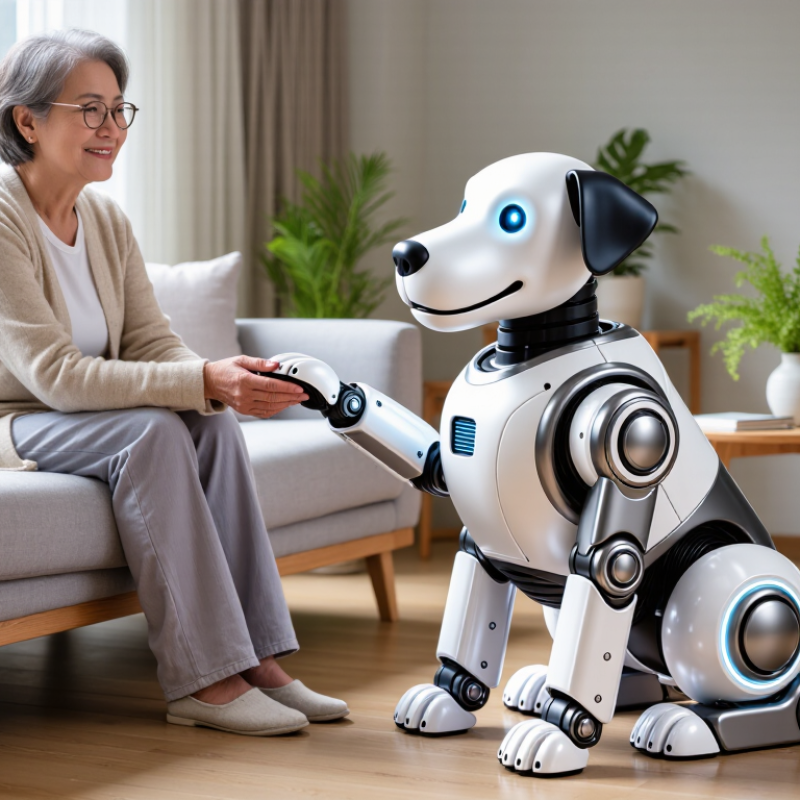
A robot pet is no longer limited to science-fiction films or technology exhibitions. Today, families place robotic dogs on living-room floors, while older adults interact with responsive companions at home. These devices blink, move, react to voices, and remember simple routines. Small details matter. A wagging tail can make a quiet room feel less empty.
Their worldwide popularity comes from several practical and emotional advantages. Robot pets offer companionship without feeding, walking, cleaning, or emergency veterinary costs. This appeals to apartment residents, busy workers, allergy sufferers, and people who cannot safely care for living animals. In Japan, robotic companions have also attracted attention in eldercare settings. They can encourage conversation, gentle movement, and daily engagement. However, they are not medical treatment or a replacement for human support.
Robot ethics researcher Kate Darling has observed, “People tend to anthropomorphize robots, even when they know they are machines.” Her point helps explain the emotional connection. Users may name a device, celebrate its “birthday,” or feel concerned when its battery becomes low. The technology feels personal.
Still, the enthusiasm deserves reflection. Some robot pets offer meaningful comfort, but others may become expensive toys with limited long-term value. Privacy also matters when cameras, microphones, and cloud services are involved. Companies must explain data practices clearly and design products responsibly. The strongest robot pet is not necessarily the most realistic one. It is the one that fits a person’s needs, budget, culture, and daily life.
Defining Robot Pets: IFR Reports 5.1 Million Consumer Robots Sold in 2023
Why Are Robot Pets So Popular Worldwide?
Robot pets are moving from novelty products into everyday consumer technology. The International Federation of Robotics reported 5.1 million consumer robots sold worldwide in 2023. Its World Robotics 2024 report identifies domestic tasks, entertainment, and companionship as important service-robot applications. A small device can react to touch, follow movement, and make familiar sounds. These features create interaction without feeding, walking, or cleaning a living animal.
The demand also reflects changing homes. Urban residents often have limited space, allergies, or irregular working hours. Robot pets offer predictable care demands and immediate feedback. Market research from the International Data Corporation links consumer technology growth with connected-home adoption and personalized digital experiences. Still, sales figures do not prove emotional attachment. Some users may lose interest after several weeks. That weakness deserves more attention.
Tips:
Check the robot’s privacy settings before connecting it. Review microphone, camera, and data-storage functions. Choose simple controls for children or older adults. Set realistic expectations; a robot pet imitates companionship, but it cannot replace human care. Read independent testing reports, not only promotional claims. Also consider repair access and battery life. The “pet” may stop responding after one neglected software update.
Social-Robot Research Explains Attachment to Pet-Like Machines
Why Are Robot Pets So Popular Worldwide?
Social-robot research explains why people attach to pet-like machines. These devices answer touch, sound, or movement with light, motion, or simple sounds. That response can feel personal, even when users understand the machine is artificial. Research published in the International Journal of Social Robotics links attachment with responsiveness, predictable routines, and perceived agency. A robot that turns toward a lonely person may seem more present than a silent household object. The feeling is small, but often repeated.
The market reflects growing curiosity. The International Federation of Robotics reported 5.1 million consumer service robots sold worldwide in 2023. This figure includes domestic machines, not only robot pets. It still shows broad acceptance of interactive technology at home. Older adults, children, and people living alone may value routine companionship. Yet sales do not prove emotional wellbeing. Some users may enjoy comfort, while others may feel disappointed by limited conversation. That tension deserves more study.
Tips: Watch the first ten minutes of interaction. Does the robot invite calm attention, or create frustration? Choose clear privacy controls and adjustable sounds. Keep real human contact involved. A machine can support a routine, but it cannot fully understand grief, humor, or silence. I once underestimated how meaningful a repeated greeting could become. I also noticed its limits quickly. That contradiction is important.
Why Are Robot Pets So Popular Worldwide?
Social-robot research suggests that attachment to pet-like machines is mainly supported by four recurring mechanisms: perceived companionship, emotional responsiveness, familiar animal-like behavior, and low-demand interaction. These features can make robots feel socially meaningful while avoiding many practical responsibilities associated with living animals.
The chart presents a research-based evidence synthesis rather than market-share data. Scores represent the relative frequency with which each mechanism is discussed across peer-reviewed studies of socially assistive and companion robots.
Asia-Pacific Drives Robot-Pet Production, Innovation, and Consumer Demand
Why Are Robot Pets So Popular Worldwide?
Asia-Pacific Drives Robot-Pet Production, Innovation, and Consumer Demand
Asia-Pacific has become a major center for robot-pet production and experimentation. Dense electronics supply chains help manufacturers test sensors, motors, cameras, and speech systems quickly. In cities, compact homes also create demand for pets that need no walking, feeding, or veterinary care. That practical appeal matters.
Consumer expectations are changing across the region. In Japan and South Korea, older adults may value gentle interaction and reminders during quiet routines. In China and Southeast Asia, younger households often seek playful companions for apartments, travel, or busy workdays. Local engineers increasingly design softer movements, lower motor noise, and more natural responses. A robot that turns toward a voice feels more engaging than one that simply repeats phrases.
The technology still has clear limits. A device cannot replace a living animal’s warmth, unpredictability, or biological care. Some products may also collect voice or movement data, so transparent privacy controls are essential. Independent testing should examine battery safety, child interaction, accessibility, and repair options. I may be overestimating emotional attachment when users describe these machines as family members. Sometimes, the bond is mainly habit.
Even so, Asia-Pacific’s research talent and manufacturing depth continue to lower costs and accelerate new designs. Consumer feedback from crowded homes is shaping quieter, smaller, and more expressive machines. The market is growing, but trust will decide how deeply robot pets enter daily life.
Robot-Pet Uses and Limits: Companionship, Care, Privacy, and Welfare
Why Are Robot Pets So Popular Worldwide?
Robot pets offer companionship without feeding, walking, or veterinary bills. Their sounds, movements, and responsive eyes can make a quiet room feel occupied. This matters for older adults, people living alone, and children learning gentle routines. The International Federation of Robotics reported 11.6 million consumer service robots sold in 2023. Most handled household tasks, yet the figure shows a broad appetite for domestic robotic support.
Care is useful, but limited. A robot pet can prompt conversation, encourage daily interaction, or support structured activities in care settings. The World Health Organization estimates that 55 million people live with dementia worldwide. Still, a machine cannot notice every emotional change or replace trained human attention. It may comfort someone briefly. It may also create dependence, confusion, or disappointment when its responses feel repetitive.
Privacy deserves equal attention. Interactive pets may collect voices, movement patterns, or household information. NIST’s Artificial Intelligence Risk Management Framework stresses privacy, transparency, and accountable data practices. Users should check what sensors record, where data travels, and whether deletion is possible. Welfare also needs a wider view. These devices avoid animal neglect, but they can encourage emotional substitution. I have seen people enjoy predictable responses, then become frustrated by mechanical limits. That reaction is reasonable. Designers and caregivers should measure wellbeing, not just sales or screen time. The technology is helpful, sometimes. It is not harmless by default.