Top 10 Industrial Robots You Should Consider for Your Business?
In today’s manufacturing landscape, industrial robots are transforming how businesses operate. The global market for industrial robots is projected to reach $70 billion by 2026, according to a report by ResearchAndMarkets. This growth reflects a rising demand for automation in production processes. Companies are increasingly recognizing the need for efficiency and precision, making industrial robots integral to their success.
As industries evolve, organizations face challenges including labor shortages and increasing production costs. Industrial robots can address these issues, enhancing productivity and reducing human error. For instance, manufacturers that implement robotic automation can see a productivity increase of over 30%. However, selecting the right industrial robots for your business requires careful consideration and evaluation.
The landscape of industrial robots is vast, with numerous options available. Choices range from robotic arms to autonomous mobile robots (AMRs). Each type serves specific functions and offers unique advantages. Yet, decision-makers must also reflect on the potential downsides, such as high initial costs and the need for ongoing maintenance. Balancing these aspects is crucial for a successful investment in industrial automation.
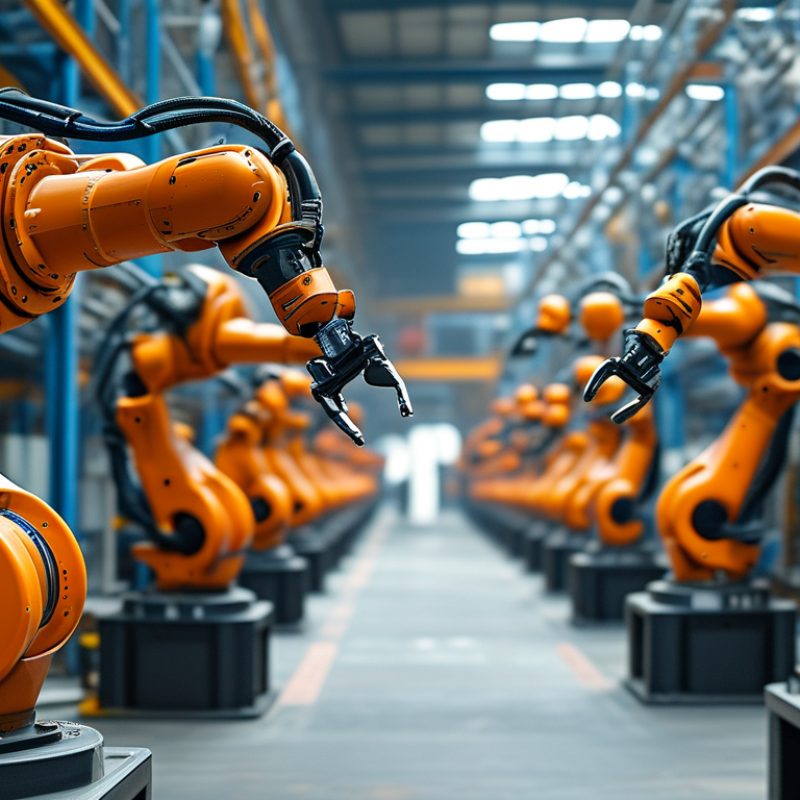
Overview of Industrial Robots and Their Importance in Business
Industrial robots play a crucial role in the modern manufacturing landscape. They enhance productivity and efficiency while minimizing human error. These machines can perform repetitive tasks with precision, which is imperative for maintaining quality standards. Their ability to operate continuously allows businesses to meet high demand without incurring excessive labor costs.
In recent years, the adoption of industrial robots has surged across various sectors. They are redefining operational workflows and supply chains. However, integrating robots into existing systems is not without challenges. Businesses must consider training employees to work alongside these machines. Understanding this technology is vital for maximizing its benefits.
While industrial robots can increase output, they also require maintenance and oversight. This ongoing need can be a concern for smaller companies. Implementing robotics solutions requires careful planning and assessment. It is essential to weigh the initial investment against potential long-term gains. Each business should evaluate its unique needs and capabilities before making a decision.
Top 10 Industrial Robots Considered for Business
This bar chart illustrates the market demand for various types of industrial robots, highlighting their significance in modern business operations. Each type of robot serves a distinct function, contributing to efficiency and productivity in industrial contexts.
Criteria for Selecting the Right Industrial Robot for Your Needs
When choosing an industrial robot, consider several factors to ensure it meets your business needs. Start by assessing your production volume. High-volume tasks may require faster and more efficient robots. Evaluate the robot's payload capacity as well. If your operations involve heavy materials, select a robot that can handle that weight without compromising speed.
Flexibility is another key factor. Some robots excel at repetitive tasks, while others can adapt to multiple functions. Assessing the environments where the robot will operate is crucial too. Will it work in tight spaces or in collaboration with human workers? Safety features should be a priority in collaborative settings.
Lastly, think about the support you expect post-purchase. Reliable customer support can make or break your experience. Consider the training and integration assistance available. If a robot is challenging to program or maintain, it may not be worth the investment. Reflect on these criteria carefully, as the right choice can influence your productivity and efficiency significantly.
Top 10 Industrial Robots You Should Consider for Your Business
| Robot Model |
Payload Capacity (kg) |
Reach (mm) |
Applications |
Price Range ($) |
| Model A |
10 |
600 |
Assembly, Packaging |
20,000 - 25,000 |
| Model B |
15 |
800 |
Welding, Cutting |
25,000 - 30,000 |
| Model C |
20 |
1000 |
Assembly, Inspection |
30,000 - 35,000 |
| Model D |
5 |
500 |
Packaging, Palletizing |
15,000 - 20,000 |
| Model E |
8 |
700 |
Machining, Milling |
22,000 - 28,000 |
| Model F |
18 |
900 |
Robotic Arm, Handling |
35,000 - 40,000 |
| Model G |
30 |
1200 |
Automated Guided Vehicle |
50,000 - 60,000 |
| Model H |
12 |
750 |
Pick and Place, Sorting |
18,000 - 23,000 |
| Model I |
25 |
1100 |
Textile Handling, Cutting |
38,000 - 45,000 |
| Model J |
14 |
850 |
Laboratory Automation |
21,000 - 27,000 |
Top 10 Industrial Robots Currently Leading the Market
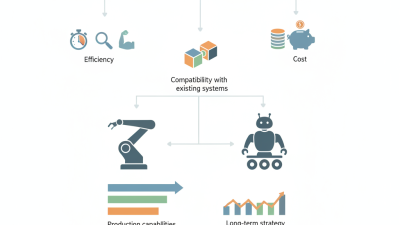
In today's rapidly evolving industrial landscape, choosing the right robots for your operations can be daunting. Various robotic solutions are currently taking the lead. These robots vary in design and capabilities, serving different industry needs. Flexibility and precision are crucial. You also must consider the level of automation your business requires.
Many leading robots excel in tasks such as assembly, welding, and packaging. They showcase impressive speed and accuracy. It is essential to assess their adaptability to your production process. Some robots feature advanced AI, enhancing decision-making. However, they also face challenges like integration with existing systems and the learning curve for human operators.
Operational costs remain a point of concern. Initial investments can be significant. Additionally, regular maintenance is necessary to ensure optimal performance. Some businesses underestimate the time needed for staff training. Therefore, assessing long-term benefits is crucial. Balancing potential returns with upfront costs requires careful analysis. Businesses should remain vigilant about ongoing advancements and their implications for efficiency and productivity.
Key Features and Benefits of Each Recommended Industrial Robot
Investing in industrial robots can enhance productivity and reduce labor costs. Many businesses are hesitant due to the initial investment. However, industry research indicates companies adopting automation often experience a 30% increase in operational efficiency. Key features of modern robots include versatility and ease of integration. For instance, many robots can be programmed for multiple tasks. They adapt quickly to changes in production lines, offering flexibility.
Advanced robotic systems come equipped with safety features. They include sensors that detect human presence, minimizing workplace accidents. According to statistics, the integration of safety-rated robots can decrease workplace injuries by up to 50%. Additionally, robots provide high precision in repetitive tasks, reducing material waste. This leads to a significant return on investment over time, despite the complexities involved in initial setup.
Some challenges remain. Maintenance is crucial for optimal performance, and companies must train existing staff to work alongside robots. These areas require reflection and investment in human resources. Nonetheless, the advantages of automation are compelling. Accurate data suggests that businesses that fully utilize robotics can increase their market share by up to 20%. The path to automation is not without hurdles, but the potential rewards are significant.
Future Trends in Industrial Robotics You Should Watch Out For
The future of industrial robotics is exciting and filled with trends that could reshape businesses. One key trend is the rise of collaborative robots, or cobots. These robots are designed to work alongside humans, boosting efficiency while maintaining safety. They are user-friendly and can adapt to various tasks, making them suitable for small and large enterprises alike.
Another trend to watch is the integration of artificial intelligence into robotic systems. AI allows robots to learn from their environments, improving their performance over time. This capability can lead to better decision-making and increased autonomy in operations. With AI, robots can quickly analyze data and adjust their actions, which can enhance productivity significantly.
Moreover, sustainability is becoming a priority in robotics. Companies are exploring ways to make robots more energy-efficient. There’s a growing demand for eco-friendly manufacturing processes. However, many businesses struggle to balance the cost of sustainable solutions with performance and productivity. Industry experts suggest that staying informed about these trends can guide businesses in making strategic decisions. This evolving landscape brings opportunities, but it also poses challenges that require careful consideration.