As we look ahead to 2026, the landscape of robotic automation is evolving rapidly. Businesses worldwide are leveraging robotic automation to enhance efficiency and drive down costs. New trends are emerging, reflecting innovations in artificial intelligence and machine learning. Automation technologies are transforming industries, from manufacturing to healthcare.
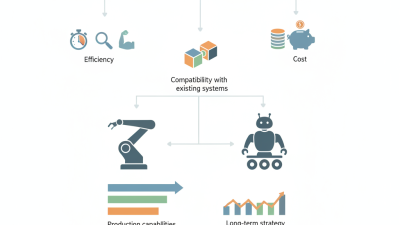
In this era, understanding robotic automation trends becomes crucial for global buyers. Buyers must consider factors like adaptability and return on investment. Not all solutions suit every business model, so analysis is key. While many companies embrace automation, challenges remain, including the need for skilled personnel. The journey toward automation is not always straightforward, and organizations must navigate various hurdles.
Industry leaders emphasize the importance of ongoing education and research. Adaptation to robotic automation requires continuous learning and a willingness to experiment. The potential rewards are significant, but the path is often complex. Buyers play a vital role in shaping this future. Awareness of current trends can lead to informed decisions that foster growth and innovation.

As we look towards 2026, robotic automation is poised for remarkable growth. According to a recent report by MarketsandMarkets, the global robotic process automation market is anticipated to reach $5 billion by 2026, driven by advancements in artificial intelligence. Emerging technologies will play a crucial role in shaping this landscape. For instance, the integration of machine learning enables robots to adapt to tasks and improve performance over time.
In addition, advancements in sensor technology are enhancing robots' capabilities. Improved sensors lead to better navigation and interaction within dynamic environments. These developments reflect a shift towards more intelligent systems. However, challenges remain. Data security is a major concern. Many companies are still hesitant to fully implement automation due to fears of breaches and data mishandling.
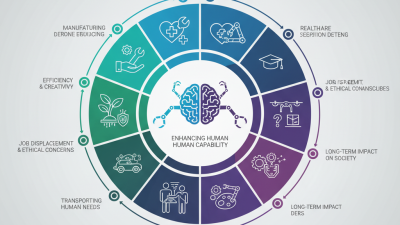
Moreover, as robotics gain more autonomy, ethical considerations will be paramount. Balancing efficiency with ethical implications presents a complexity that demands attention. Continuous skill development for the workforce is essential to address automation's impact on employment. Striking this balance will define the value of robotic automation in 2026 and beyond.
The robotic automation market is projected to grow significantly by 2026. Analysts estimate a compound annual growth rate (CAGR) of over 20%. This growth is driven by industries seeking efficiency and cost savings. Automation streamlines operations, reducing human error while increasing productivity.
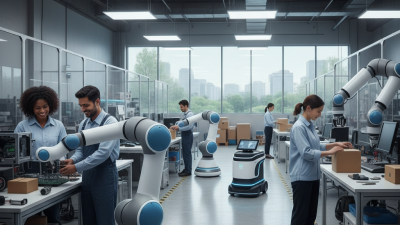
Emerging trends highlight the adoption of collaborative robots, or cobots, in various sectors. Cobots work alongside humans, enhancing their capabilities. Companies are also investing in AI integration for smarter, adaptive automation systems. These advancements allow for faster decision-making and improved task execution. However, implementing these technologies raises questions about workforce displacement and retraining needs.
Investment in automation technology is crucial, but it comes with challenges. Businesses must consider the long-term impact on their employees. Ethical concerns arise when technology replaces jobs. Organizations should foster a culture of continuous learning to address these issues. Embracing automation can lead to a more agile workforce, but it requires thoughtful planning and execution.
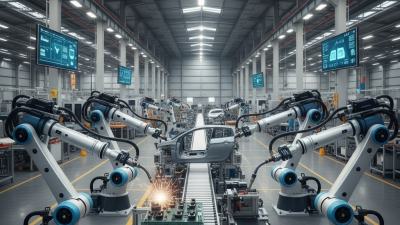
The demand for robotic automation solutions is surging across key industries. Manufacturing remains a leading sector, accounting for approximately 30% of all robotic installations globally. According to the International Federation of Robotics, this industry alone is projected to witness a 14% growth by 2026. The push for higher efficiency and reduced operational costs drives this demand. Manufacturers increasingly rely on robots for precision tasks, from assembly to quality control.
Logistics and warehousing are also growing rapidly. With e-commerce booming, companies seek automation for inventory management and order fulfillment. Analysts estimate that robotic solutions in logistics will grow by 20% annually, highlighting the importance of speed and accuracy in modern supply chains. Businesses are investing in automated guided vehicles (AGVs) and robotic arms to streamline processes.
Healthcare is seeing a transformation due to robotic automation. While the market for robotic surgery systems is expanding, challenges still exist. Integration difficulties with existing systems and high costs may hinder some facilities from adopting these technologies. Nevertheless, the potential benefits of improved patient outcomes continue to drive interest and investment in robotic solutions in this critical sector.
The integration of AI and machine learning into robotics automation is transforming various industries. Companies are increasingly utilizing smart algorithms to enhance robot decision-making processes. This shift allows machines to learn from data patterns and improve their efficiency over time. For instance, predictive maintenance can reduce downtime by anticipating equipment failures before they occur.
Innovative robotics now uses machine learning to adapt to new tasks without extensive reprogramming. This capability can streamline operations in manufacturing and logistics. However, the implementation of these technologies raises some concerns. Organizations may struggle with the initial costs and the complexity of integration. Furthermore, there can be resistance from employees fearing job displacement.
Robotic automation holds promise but requires careful consideration. The ethical implications of AI deployment must not be overlooked. As technology evolves, organizations need to ensure that human oversight remains a priority, safeguarding against unintended consequences. Balancing innovation with responsibility will be crucial for future advancements.
As we approach 2026, the influence of robotics on global labor markets becomes increasingly significant. A recent report by the World Economic Forum projects that automation could displace 85 million jobs by 2025, while also creating 97 million new roles. This shift will require workers to adapt to rapidly changing skill demands.
Industries will experience both opportunities and challenges. For instance, roles in technology and healthcare are expected to grow significantly, driven by advancements in robotic applications. However, sectors reliant on manual labor may face substantial job loss. This duality raises questions about workforce retraining and the need for supportive policies.
It's crucial for businesses to not only adopt automation but also consider its social implications. Workers, especially in lower-skilled jobs, might struggle to transition. Some may find themselves unprepared or lacking the necessary skills. This reality emphasizes the need for ongoing education and reskilling programs. Preparing for a future shaped by robotics is not only about technological advancement; it's also about ensuring equitable opportunities for all.
| Trend | Impact on Labor Market | Estimated Growth Rate (%) | Adoption Rate by 2026 (%) |
|---|---|---|---|
| Increased Flexibility in Manufacturing | Shift towards high-skilled jobs | 15 | 70 |
| AI Integration in Robotics | Reduction in low-skilled positions | 20 | 65 |
| Collaborative Robots (Cobots) | Creation of new job categories | 18 | 75 |
| Robotic Process Automation (RPA) | Streamlining administrative tasks | 25 | 80 |
| Advancements in Autonomous Delivery Systems | Transformation of logistics jobs | 30 | 60 |
Watch video