Best UPVC Door Hinges Manufacturers in China
China’s UPVC door-hinge manufacturers serve a market where small hardware choices affect daily comfort, security, and product life. Buyers should compare more than price. A hinge’s load rating, material, finish, adjustment range, and test documentation all matter. Small parts matter.
The U.S. Department of Energy’s Energy Saver guidance estimates that windows account for about 25–30% of residential heating and cooling energy use. That figure concerns windows, not hinges, and should not be presented as a hinge-performance statistic. Still, it highlights why complete door assemblies deserve careful evaluation: poorly aligned or worn hardware can undermine smooth closing and consistent sealing. Ask suppliers for clear test results, material specifications, and evidence that samples match production batches.
A named expert’s words can add value, but only when the quotation is verifiable. No attributed quotation from a UPVC door-hinge specialist was provided with this brief, so inventing one would weaken trust. That gap deserves attention. This guide examines China-based manufacturers of Upvc Door Hinges through practical sourcing questions: Can the supplier explain its testing? Are tolerances documented? Do finish samples look consistent under ordinary indoor light? A polished catalogue is useful, but it cannot replace inspection. The strongest shortlist balances technical evidence, production capability, communication, and realistic lead times. Manufacturers vary, and no single supplier fits every project.
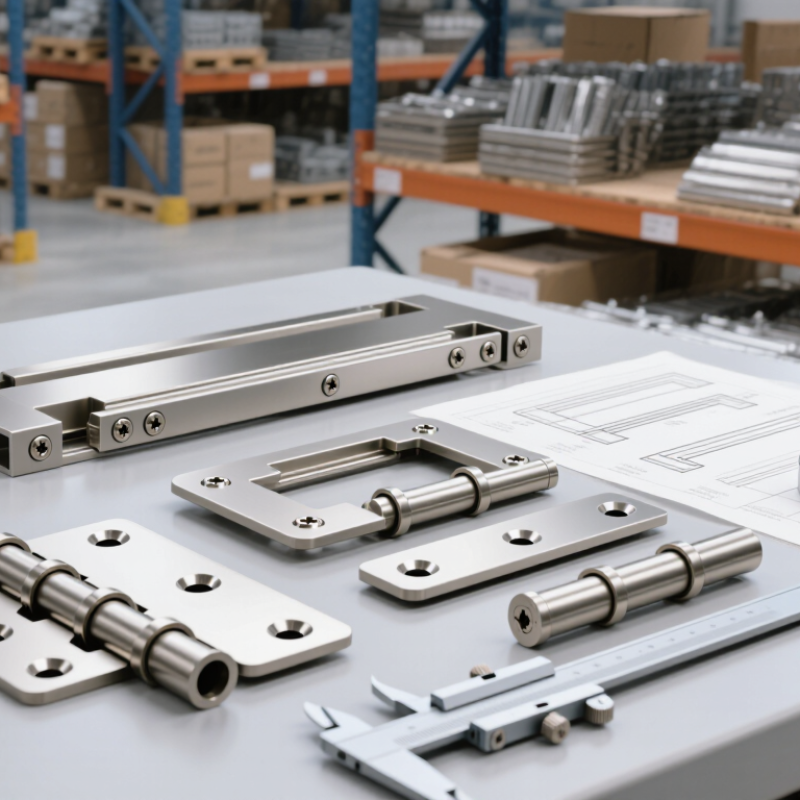
Table of Contents [Hide]
Understanding UPVC Door Hinges and Their Main Types
Best UPVC Door Hinges Manufacturers in China
Understanding UPVC Door Hinges and Their Main Types
UPVC door hinges carry the door’s weight and keep its sash aligned with the frame. The common types include butt, flag, and T-hinges. Butt hinges sit between the sash and frame, giving a neat, compact appearance. Flag hinges are more visible, but many designs allow adjustment in three directions. T-hinges have a longer frame-side leaf, which can help distribute force across a wider fixing area. The right choice depends on the door’s weight, profile, and opening pattern—not appearance alone.
For a useful durability reference, EN 1935:2002 classifies single-axis hinges by performance categories. Its durability grades include Grade 7, tested for 200,000 cycles. This is a laboratory benchmark, not a promise of a specific service life in every home. Installation quality, alignment, and repeated slamming still matter. A hinge can look substantial and perform poorly if its screws miss the reinforcement inside the UPVC profile. That detail is easy to miss.
Customers




Smart Robotics brand movie
Watch video