Choosing a Udon Noodle Machine for a global production line means looking beyond output claims. Buyers need consistent dough mixing, dependable sheeting, and controlled noodle thickness. They also need equipment that fits their floor space, staffing, and cleaning routine. Quality-management expert Philip Crosby’s well-known principle, “Quality is free,” offers a useful lens: reliable equipment can reduce waste and costly production interruptions. But quality must be checked, not assumed.
This guide examines leading udon noodle machine manufacturers through practical buyer concerns. It considers production capacity, customization, materials, operator training, after-sales support, and access to spare parts. A compact machine may suit a growing restaurant, while a larger line may serve a high-volume processor. Details matter. Ask manufacturers for product specifications, maintenance guidance, and demonstrations using dough close to your own recipe. A polished brochure cannot show every limitation. Still, a specification sheet can mislead when buyers overlook cleaning time, changeover needs, or local service availability. No machine is perfect. The right choice depends on real production conditions, not impressive promises alone. Use this overview to compare suppliers carefully and identify questions worth asking before requesting a quotation.
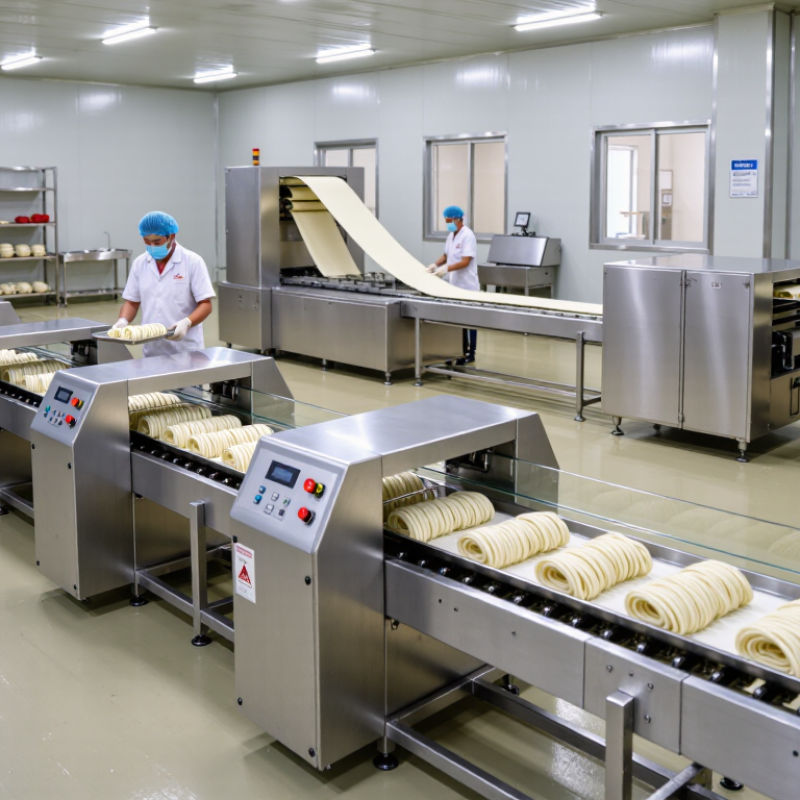
A commercial udon line turns measured ingredients into consistent strands through several connected stages. Mixing machines combine flour and water until the dough reaches a workable texture. The dough is then rested, often under controlled conditions, so moisture can spread more evenly. Its ideal resting time depends on the recipe and production setup.
Rollers compress the dough in gradual passes, reducing its thickness without tearing it. The sheet may be folded and rolled again before a cutting unit forms long, even noodles. Flour dusters help limit sticking, while conveyors carry the strands toward portioning and the next stage, such as cooking or chilling. Operators check noodle width, dough temperature, and cut edges during production. Small changes matter. It is easy to underestimate how much hydration affects machine performance. Even a well-adjusted line can produce uneven strands when dough conditions shift; equipment cannot correct every process issue.
Tips: Compare thickness and strand width at regular intervals. Keep flour levels steady, and clean rollers between production runs.
For global buyers, line selection should match the desired output and product format, not just machine speed. Ask how operators adjust roller gaps and cutting settings, and confirm that parts are accessible for routine cleaning. A fast line is useful, but only when feeding, forming, and portioning stay in balance. That balance takes monitoring, not guesswork.
Representative processing times per batch, in minutes. Actual times vary with recipe, batch size, and equipment; continuous production lines may overlap stages.
The line typically mixes and rests the dough, sheets and cuts it into noodles, then cooks and cools the noodles. Dough resting and boiling are often the longest timed steps.
Udon production equipment ranges from compact forming machines to continuous lines. A basic setup combines a mixer, dough sheeter, and noodle cutter. It can suit restaurants, test kitchens, or small factories with changing orders. Integrated lines add conveyors and dough-resting sections, reducing manual transfers between stages. They need more floor space and steadier demand.
Machine configuration affects noodle texture and output. A single-sheet system is relatively simple to operate. A compound-roll system joins dough sheets before final rolling, which can improve consistency across wider batches. Cutters determine strand width, while adjustable rollers control thickness. Some lines include portioning and boiling equipment; others stop at fresh, uncooked noodles. Keep room for cleaning and operator access. It matters.
Compare production capacity in kilograms per hour, but check what the rating actually measures. Some figures describe dough input, not finished noodles ready for packing. Ask suppliers for results using your flour, hydration level, strand size, and target operating hours. A brochure number can look precise and still be a poor planning tool. Run a product trial if possible, and allow for pauses during dough changes and sanitation. The first capacity estimate may need revision.
An experienced udon noodle machine manufacturer should explain how dough hydration, resting time, and roller pressure affect strand texture. Ask how settings change for different flour lots, and whether operators can adjust thickness without stopping the line. Useful evidence includes test records, sample noodles, and a clear description of hourly output under stated conditions. Numbers without test conditions are hard to trust.
Inspect the machine’s contact surfaces, guarding, and cleaning access. Can staff remove dough residue around rollers and cutters without awkward tools? Request a demonstration using your own recipe, if possible. Watch for uneven strands, sticking, or frequent manual corrections. These small details reveal more than a polished brochure. Also compare power use, spare-part availability, training, and response times for technical support. A low purchase price may not mean lower operating costs. Some claims still need independent checking.
Tips: Ask for a written specification and a recorded production test. Confirm what is included in installation and training. Keep your questions specific; vague answers deserve a follow-up.
Udon machine manufacturers differ in how they handle dough resting, sheeting, cutting, and portioning. A useful profile should specify roller width, noodle thickness range, hourly output, and changeover time. These details matter when switching between thick, chewy udon and thinner formats. FAO’s June 2024 Food Outlook estimated 2023 global wheat production at 787.4 million tonnes, underscoring the scale of the ingredient supply behind many noodle lines. Yet abundant wheat does not guarantee consistent dough; mixing control and water dosing still shape texture.
Compare complete product ranges, not just headline machines. Some suppliers offer mixers, compounders, sheeters, cutters, and cooking or cooling equipment. Others focus on compact lines for fresh noodles. Ask for stainless-steel contact surfaces, accessible cleaning points, spare-part lead times, installation, and operator training. The World Instant Noodles Association reported 120.2 billion servings of instant noodles consumed worldwide in 2023. That figure is not udon-specific, but it signals strong demand for automated noodle production. Still, output claims need context: flour type, recipe, and shift length can change real capacity.
Tips: Request a sample run using your dough recipe. Check strand thickness with calipers, inspect cut ends, and record yield after cooking. Ask for a service response-time commitment, too. A polished demonstration is useful, but production-floor results matter more.
For global buyers, comparing udon noodle machine suppliers means looking beyond the quoted price. Check whether the machine handles your target dough moisture, noodle thickness, and daily output. Ask for production records using similar flour, not just a polished demonstration. Review the food-contact materials, electrical specifications, and documentation supplied with the equipment. Details matter. A small mismatch in voltage or floor space can delay installation.
Tips: Send suppliers the same product brief and questions. Request a sample run, clear maintenance intervals, and a parts list with lead times. Compare answers side by side. Vague replies are worth noting.
After-sales support can determine how quickly production resumes after a fault. Ask who provides remote troubleshooting, what response times are typical, and whether technicians can guide setup in your time zone. Confirm training format, warranty coverage, and which wear parts should be kept on site. A video call may solve a sensor issue, but it cannot replace available components. Get service commitments in writing, and speak with a recent customer if possible. Even careful checks leave uncertainty; suppliers’ service quality can change as teams and workloads shift.
| Comparison dimension | What buyers should compare | Evidence to request | Why it matters |
|---|---|---|---|
| Production capacity | Rated output per hour, operating conditions, and whether capacity is stated for one machine or a complete line. | A written capacity specification and a test run using an agreed recipe and product size. | Quoted output can depend on dough properties, noodle dimensions, changeovers, and line configuration. |
| Product and recipe flexibility | Supported noodle shapes, thickness range, dough recipes, and changeover requirements. | Trial results for the buyer’s dough and samples made at the requested specifications. | A machine suitable for one recipe or format may need adjustments or additional tooling for another. |
| Food-contact materials and hygiene | Materials and surface finishes in product-contact areas, cleanability, drainage, and access for inspection. | Material specifications, cleaning instructions, and documentation relevant to the destination market. | Food-contact requirements vary by market and material. In the EU, Regulation (EC) No 1935/2004 sets general requirements for materials intended to contact food. |
| Safety and conformity | Risk-reduction features, guarding, emergency stops, electrical design, and conformity requirements for the installation country. | Risk assessment, technical documentation where applicable, declarations, and relevant test records. | CE marking applies only when required under applicable EU legislation; it is not a universal quality mark. IEC 60204-1 covers electrical equipment of machines, but applicability depends on the project and market. |
| Quality management | Documented manufacturing controls, inspection procedures, traceability, and corrective-action processes. | A current ISO 9001 certificate, if claimed, with its scope and issuing certification body identified. | ISO 9001 specifies quality management system requirements; certification does not by itself certify a particular machine’s performance or food safety. |
| Automation and integration | Controls, operator interface languages, data access, and compatibility with upstream and downstream equipment. | Control-system description, interface list, line layout, and a factory acceptance test plan. | Clear interfaces and agreed acceptance criteria reduce integration delays and commissioning disputes. |
| Installation and commissioning | Site requirements, installation responsibilities, commissioning scope, and operator training. | A written scope of work, utility requirements, training agenda, and commissioning acceptance checklist. | Clarifying responsibilities before shipment helps avoid gaps between equipment delivery and production start-up. |
| Warranty and spare parts | Warranty duration and exclusions, response process, parts availability, and expected shipping lead times. | Written warranty terms, recommended spare-parts list, parts pricing, and ordering procedure. | Warranty coverage and service commitments are contract-specific; written terms are more reliable than general assurances. |
| Remote and local service | Support hours, language availability, remote troubleshooting methods, and access to local technicians. | Service contact details, escalation process, stated response targets, and references for comparable installations. | Time-zone differences, travel requirements, and technician availability can affect the time needed to resolve production issues. |
| Commercial and delivery terms | Lead time, payment milestones, packaging, shipping responsibility, and included documentation. | A detailed quotation, delivery schedule, packing list, and clearly stated Incoterms® rule and named place. | Consistent commercial terms make supplier quotations easier to compare and clarify who handles transport, insurance, and import formalities. |
Buyer note: Verify certificates, legal requirements, performance claims, and service commitments directly for the specific machine, configuration, and destination market.
Watch video