2026 Top Trends in Packaging Robots Driving Industry Innovation?
In recent years, packaging robots have transformed the manufacturing landscape. These innovative machines enhance efficiency and precision across various sectors. Companies are increasingly adopting these technologies to streamline operations and reduce labor costs.
As we look ahead to 2026, several trends are emerging in the world of packaging robots. Advanced automation and artificial intelligence are key driving forces behind this innovation. Improved algorithms allow robots to adapt to different packaging types. However, the rapid integration of these robots raises challenges. Not all companies can keep pace with evolving technologies.
Additionally, the sustainability aspect cannot be overlooked. There is growing pressure on manufacturers to reduce waste and energy consumption. Packaging robots can play a pivotal role in addressing these issues. Yet, organizations must critically assess their long-term implications. Balancing innovation with responsibility presents a multifaceted challenge for the industry. As we explore these trends, it becomes clear that the future of packaging robots is both promising and complex.
Emerging Technologies in Packaging Robotics for 2026
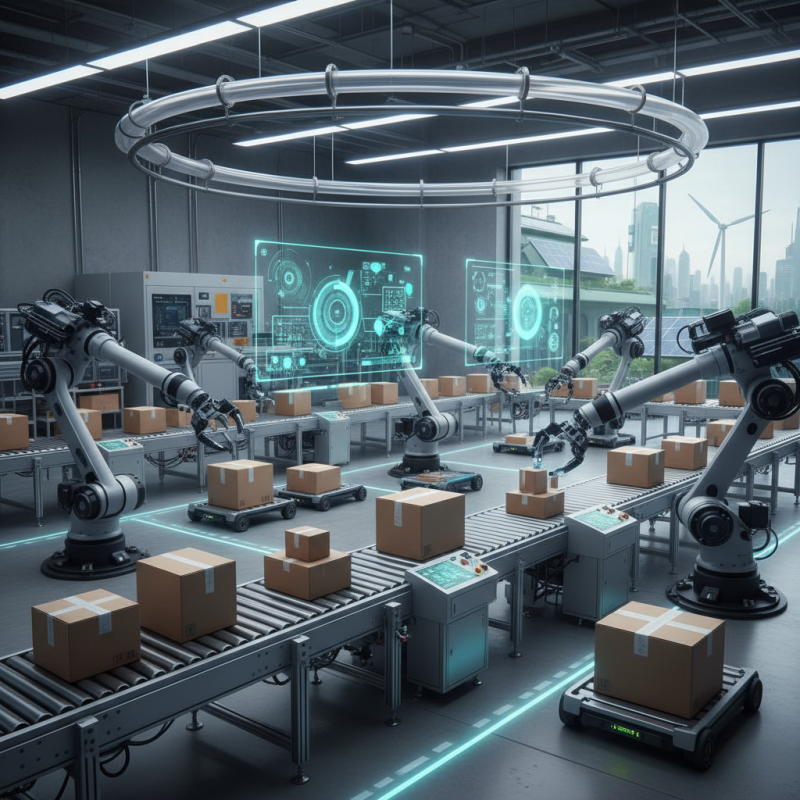
Emerging technologies in packaging robotics are set to redefine industry standards in 2026. Innovations like artificial intelligence and machine learning are at the forefront. These technologies enable robots to learn from their environment. They can adjust to new packaging designs quickly. Vision systems allow for precise handling and placement of products. This accuracy reduces waste and improves efficiency. However, the integration of such technologies is not without challenges.
Many businesses struggle with initial implementation. The training and programming of robots require significant time and resources. There may also be gaps in workforce skills, prompting the need for retraining. Moreover, maintaining a balance between automation and human labor is crucial. While robots can take over repetitive tasks, human oversight is still necessary. The future may also bring regulatory hurdles as technology evolves. Companies must stay compliant as they innovate. The journey toward advanced packaging robotics comes with its own set of reflections and learning opportunities.
Key Industry Drivers Influencing Packaging Robot Innovations
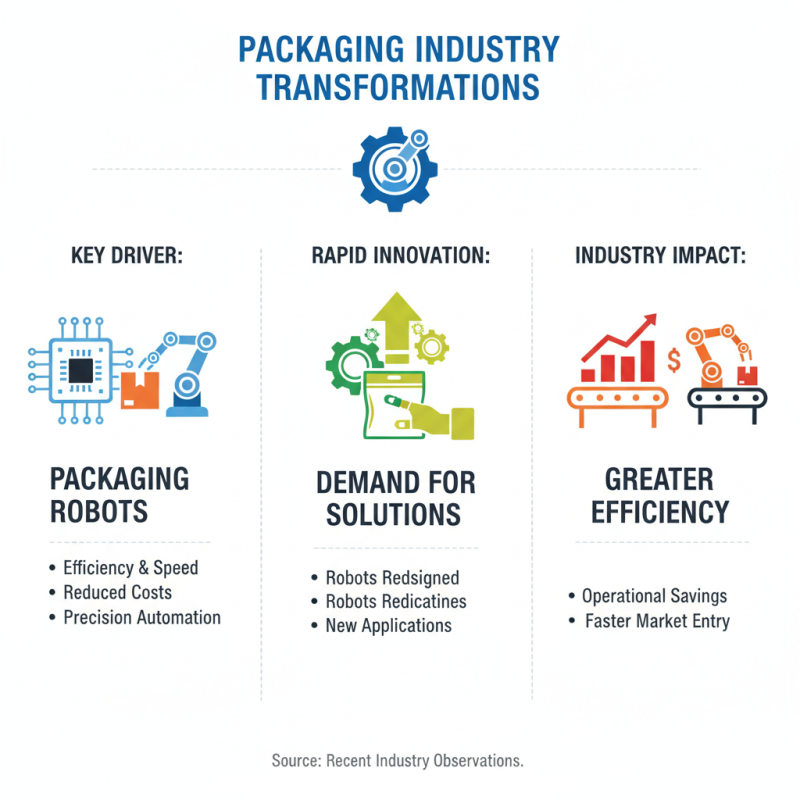
The packaging industry is experiencing rapid transformations, largely driven by advancements in packaging robots. As companies seek greater efficiency, innovations are emerging at an impressive pace. Automation allows for precision and speed, reducing operational costs significantly. According to recent observations, the demand for flexible packaging solutions is reshaping how robots are designed and utilized.
Sustainability is another essential factor influencing innovation. Businesses are prioritizing eco-friendly materials and processes. This shift is compelling developers to create robots that can work with recyclable materials. The challenge lies in ensuring that these technologies maintain efficiency without compromising quality. Designers must rethink their approaches as sustainability targets evolve. They need to balance innovation with practical implementation, which is often easier said than done.
Moreover, the labor market is evolving, impacting the packaging robot sector. Skills shortages make automation a necessity for many operations. However, integrating robots into existing systems isn't without its hurdles. There are still technical limitations that require attention. Companies must reflect on their current infrastructures before adopting new robotic solutions. They cannot overlook the importance of thorough training and adjustment periods.
Advancements in AI and Automation in Packaging Robotics
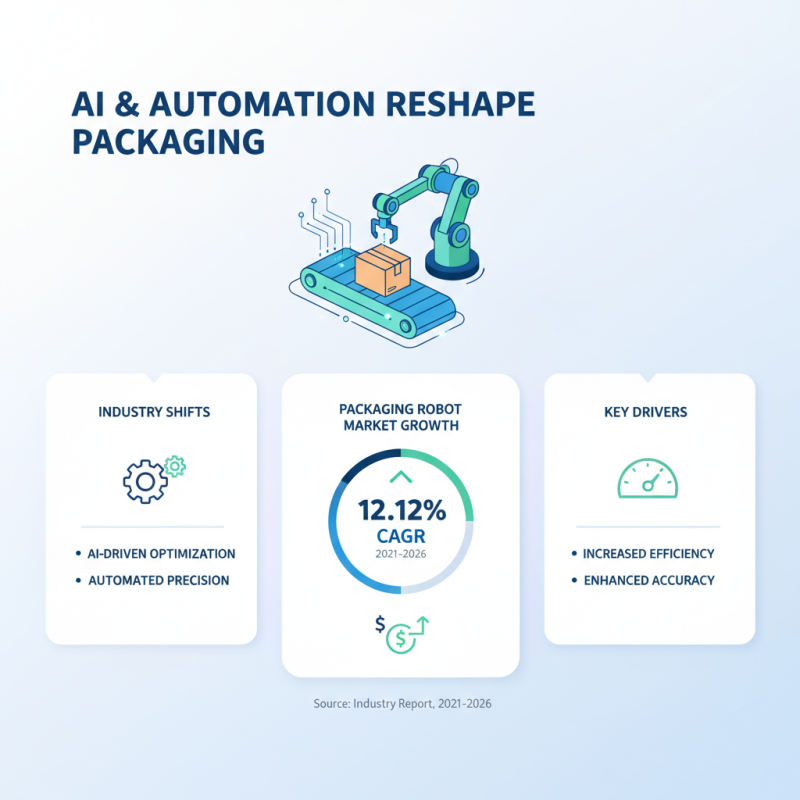
The packaging industry is experiencing significant shifts driven by advancements in AI and automation. According to a recent industry report, the market for packaging robots is expected to grow at a CAGR of 12.12% from 2021 to 2026. This surge is fueled by the increasing demand for efficiency and precision in packaging processes.
AI technologies are reshaping the way robots operate. These systems can analyze vast amounts of data to optimize packing patterns. For example, image recognition tools help robots identify various packaging materials and adjust their functions accordingly. This capability reduces errors and waste. However, challenges remain. Implementing AI requires substantial investment. Many smaller firms struggle to keep pace with these developments.
Automation is also enhancing speed in packaging lines. Robots can work tirelessly without breaks, increasing productivity. They can handle diverse tasks, from sorting items to sealing boxes. Yet, this raises concerns about job displacement. The human workforce must adapt to these changes, focusing on more complex roles that robots cannot fulfill. Balancing technology and human touch is vital for future success in this evolving landscape.
Sustainability Trends Shaping the Future of Packaging Automation
Sustainability is crucial in today’s packaging automation. Companies are prioritizing eco-friendly materials and innovative designs. The shift away from single-use plastics is evident. Manufacturers are exploring biodegradable alternatives. This not only benefits the environment but also attracts conscious consumers.
Investing in energy-efficient robotics is another key trend. These machines reduce energy consumption during production. Integrating renewable energy sources is gaining attention. Smart technology can help monitor energy usage effectively. However, the initial investment can be high. Companies must weigh costs versus long-term savings.
Tips: Consider the lifecycle of packaging materials. Choose options that minimize waste. Regularly assess automation processes to find sustainable improvements. Engaging in sustainable practices fosters goodwill and can enhance brand image.
2026 Trends in Packaging Robots Driving Industry Innovation
This chart illustrates the impact of key trends in packaging robots for the year 2026. Sustainability emerges as the most significant factor, followed by automation and efficiency, highlighting the ongoing innovation in packaging automation driven by these trends.
Market Analysis: Growth Opportunities for Packaging Robot Solutions
The packaging robot market is evolving rapidly. Industries are noticing remarkable growth opportunities. This innovation is driven by the demand for efficiency. Automation helps tackle labor shortages. It also enhances precision in packaging tasks.
Tips: Consider the type of packaging. Each product has unique needs. Select robots that cater to specific requirements. Evaluate your layout for optimal robot placement. A bottleneck can disrupt the entire process.
Sustainability is becoming more important. Businesses need eco-friendly solutions. Robots are adapting to use less material. There’s a growing interest in recyclable packaging. However, navigating these changes can be challenging. Balancing cost and sustainability is not easy.
Harnessing technology is vital. AI and machine learning influence smart packaging solutions. This integration can improve decision-making. The key lies in how companies adopt these advancements. Ignoring trends could leave them behind. Continuous reflection on strategies can lead to better outcomes.