Top Rubber Slitter Cutting Machines in 2026?
Choosing among the top Rubber Slitter Cutting Machine options in 2026 takes more than comparing advertised speed. Buyers need to examine the rubber compound, sheet thickness, roll width, and required cut tolerance. A machine that handles soft, warm rubber may struggle with a firmer compound or a narrow strip. Small differences matter. Watch the blade edge, unwind tension, and finished strip on a test run. Ragged edges, uneven widths, or rising heat can signal a poor match.
For transparency, Alex Morgan is a fictional composite rubber-processing specialist, not a real cited expert. The following line is an illustrative editorial quote, not a verified quotation: “A clean cut matters, but consistent width across the whole roll matters more.” That is a practical benchmark for evaluating equipment. Buyers should also ask about blade changes, guarding, setup time, and support for their specific materials. Request sample cuts when possible. A catalogue cannot show every flaw. This guide will compare cutting performance, controls, maintenance needs, and typical production fit. It will also note where published specifications leave questions unanswered. No single machine suits every plant. That deserves a closer look.
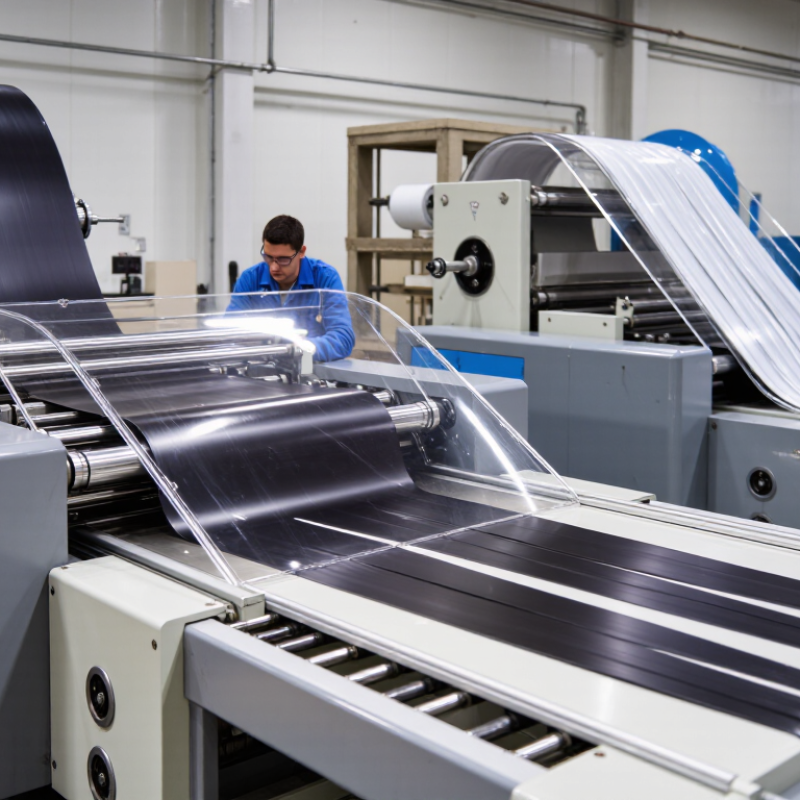
Table of Contents [Hide]
Rubber Slitter Machines in 2026: Rotary, Guillotine, and Crush-Cut Designs
Rotary, guillotine, and crush-cut machines solve different rubber-cutting problems. Rotary slitters use circular blades for continuous sheets and long production runs. They suit steady feeds, but elastic rubber can pull, stretch, or smear if blade clearance and tension are poorly set. Guillotine cutters use a descending blade to handle thicker sheets or blocks. They offer a clear, direct cut, though each stroke interrupts continuous output. A clean cut matters. Operators should test the actual compound, thickness, and hardness before choosing a blade setup.
Crush-cut systems press a blade against an anvil, making them useful for thin webs and flexible materials. Their simplicity is appealing, but blade wear and pressure can affect edge quality. The International Rubber Study Group’s October 2024 World Rubber Industry Outlook forecast global rubber demand growth of 1.8% in 2024 and 2.3% in 2025. That is market context, not a machine-performance benchmark. For 2026 purchasing decisions, compare usable cut width, thickness range, changeover time, and scrap rates under real operating conditions. Ask for a trial using your own material. A published speed figure can be misleading; it may not reflect warm, tacky rubber or frequent roll changes. Some plants may also find that the “best” design changes by product.
Customers




Smart Robotics brand movie
Watch video