Top 10 Robotics and Automation Trends Every Buyer Should Know?
As we navigate the rapidly evolving landscape of robotics and automation, understanding current trends is crucial for buyers. Experts like Dr. Sarah Mitchell, a leading authority in the field, observe, “The future of robotics and automation hinges on adaptability and innovation.” This statement highlights the dynamic nature of the industry.
Today, robotics and automation are reshaping industries across the globe. From manufacturing to healthcare, businesses are increasingly integrating advanced technologies. Buyers must stay informed about key trends. These developments ensure organizations remain competitive in a fast-paced market. Automation can enhance efficiency, but it also raises questions about workforce impacts.
Moreover, the growing emphasis on sustainability in robotics and automation cannot be overlooked. Companies are seeking solutions that minimize environmental impacts. Yet, the challenge remains to balance innovation with ethical considerations. As the field progresses, continuous learning will be essential for informed decision-making. Buyers must remain vigilant and proactive in adapting to these changes.
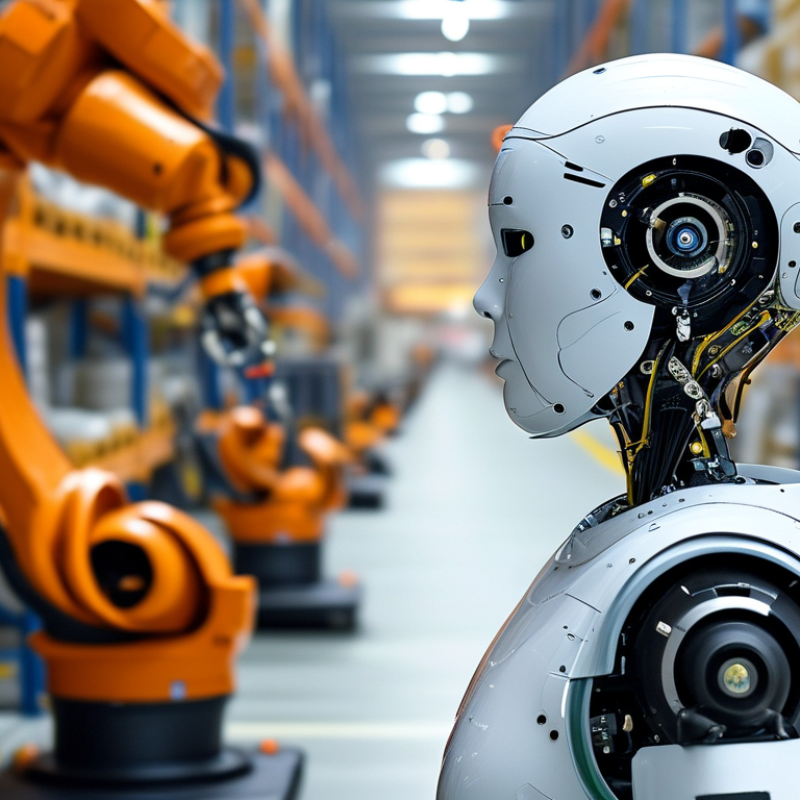
Emerging Technologies in Robotics and Automation for 2023
As we venture into 2023, robotics and automation technologies are rapidly evolving. According to recent industry reports, the global robotics market is expected to reach approximately $210 billion by 2025. A significant driver behind this growth is the adoption of artificial intelligence (AI) in robotic systems. AI enhances robots’ decision-making capabilities, making them more effective in various applications, including manufacturing and healthcare.
Collaborative robots, or cobots, are gaining traction this year. These machines work alongside human employees, improving productivity without replacing jobs. A report by McKinsey suggests that about 30% of tasks in 60% of occupations can be automated using current technologies. This emphasizes the importance of integrating automation for efficiency while fostering a cooperative work environment.
Moreover, automation is becoming more accessible through cloud computing. Businesses can now leverage advanced robotic tools without heavy investments in infrastructure. Despite these advancements, challenges remain. Integration with existing systems poses risks and can lead to disruptions. Companies must evaluate their readiness for these changes. Embracing emerging technologies requires careful planning and reflection on potential drawbacks. These trends highlight a pivotal moment for industries to adapt and redefine their operational strategies.
The Impact of Artificial Intelligence on Automation Solutions
Artificial Intelligence (AI) significantly reshapes the landscape of automation solutions. A recent report by McKinsey highlights that companies using AI in automation can enhance productivity by up to 40%. This statistic exemplifies the power of smart technology in driving efficiency. AI algorithms optimize workflows and reduce human error, which can lead to significant cost savings.
Moreover, the integration of AI in robotics offers unparalleled flexibility. According to Gartner, 75% of organizations are investing in AI-enabled automation tools. These tools help in predictive maintenance, leading to savings on machine downtimes. However, there is a flip side. Over-reliance on AI may create vulnerabilities, such as job displacement and potential biases in decision-making processes.
Understanding AI's impact on automation is essential for potential buyers. Data from the World Economic Forum shows that by 2025, automation could displace 85 million jobs globally. This statistic emphasizes the need for a thoughtful approach. Balancing technological adoption with workforce development is crucial. Buyers must consider these human factors while leveraging AI in their automation strategies.
Collaborative Robots: Enhancing Human-Robot Interaction
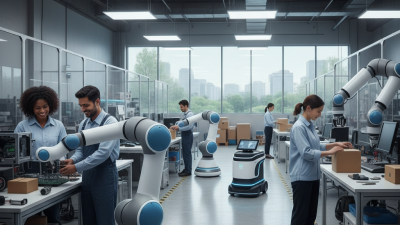
Collaborative robots, or cobots, are transforming the landscape of human-robot interaction. Designed to work alongside humans, they enhance productivity and safety. These robots are intelligent. They can learn from human behavior, allowing for seamless collaboration on tasks. For instance, they can assist in assembly lines, handling repetitive tasks while humans focus on quality control.
However, integrating cobots into existing workflows is not without challenges. There may be resistance from workers who fear job displacement. Employers must address these concerns through education and training. It’s crucial to emphasize that cobots are meant to augment human capabilities, not replace them. Providing transparent communication about the role of cobots can help alleviate fears.
Moreover, effective human-robot interaction requires thoughtful design. Cobots must be intuitive, making it easy for workers to understand their functions. Regular feedback loops can enhance cooperation and ensure safety protocols are followed. Companies should invest time in iterative testing and feedback from employees during the integration phases. This process could take longer than anticipated but is vital for success.
Top 10 Robotics and Automation Trends Every Buyer Should Know
Key Industry Applications Driving the Robotics Market
The robotics market is experiencing significant growth across various industries. A recent report estimates that the global robotics market could exceed $500 billion by 2025. Key industry applications driving this surge include manufacturing, logistics, and healthcare. In manufacturing, automation streamlines production processes, leading to increased efficiency and reduced costs. Automation can improve operational uptime and reduce human error.
Logistics is another sector witnessing remarkable advancements. Companies are investing in autonomous vehicles and drones for faster deliveries. A study revealed that autonomous logistics could reduce delivery times by over 30%. In healthcare, robotic systems are revolutionizing surgical procedures, enhancing precision and minimizing recovery time. Reports indicate that robotic surgeries have seen a 20% increase in adoption rates within hospitals.
However, challenges remain. Many companies struggle with the integration of robotics into their existing systems. A significant number of workers express concerns about job displacement due to automation. Organizations must also consider ethical implications and ensure they invest in employee retraining programs. The future of robotics will depend not only on technological advancements but also on addressing these societal concerns.
Sustainability Trends in Robotics and Automation Investments
Sustainability is becoming a pivotal consideration in robotics and automation investments. Companies are increasingly focusing on eco-friendly solutions. Robotics can reduce waste and optimize resource usage. Automated processes enhance efficiency, leading to lower energy consumption. This trend is essential in addressing climate change and resource depletion.
Many buyers are now prioritizing sustainable technologies. Incorporating green robotics into supply chains is on the rise. Companies recognize that sustainable practices can lead to long-term savings. However, the initial costs of sustainable technologies often deter investment. This highlights the need for a balance between innovation and cost-effectiveness.
Investors are also looking for companies with sustainable goals. They understand that future success hinges on environmental responsibility. As demand for sustainable solutions grows, innovative robotics will likely adapt. Addressing these challenges is crucial for the industry’s evolution. Identifying successful methods for greener practices will define tomorrow’s market leaders.