A porcelain bushing may look like a simple ceramic sleeve, but it carries a demanding job: guiding a live conductor through a grounded transformer tank while controlling electrical stress. The details matter. Material quality, shed design, sealing, and insulation performance can affect service life in rain, dust, and temperature swings. For buyers comparing leading manufacturers, reputation alone is not enough; product ratings, test evidence, application fit, and after-sales support deserve equal attention.
Reliable comparisons need standards and field evidence. IEC 60137:2017 sets requirements for insulated bushings used above 1,000 volts, giving purchasers a common technical reference. CIGRE Technical Brochure 642, Transformer Reliability Survey, offers fleet-level reliability evidence relevant to transformer components and failure analysis. These sources do not rank suppliers, but they help frame the questions behind a credible shortlist. What matters in a substation is not a polished catalogue photo. It is a bushing that passes inspection and performs under real operating conditions. A named expert quotation cannot be responsibly included without a verifiable source; inventing one would weaken this guide. The comparison that follows therefore focuses on traceable specifications, manufacturing capability, and documented service experience. It also recognizes an imperfect truth: no single manufacturer is the best choice for every voltage class, climate, or installation.
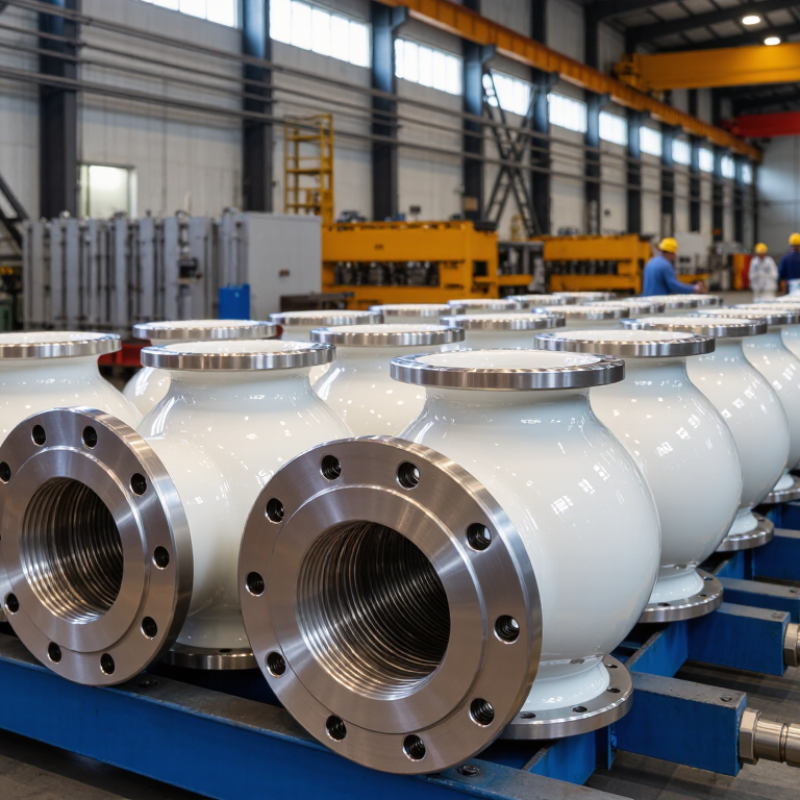
A porcelain bushing is an insulated passage for a conductor through a grounded barrier. You may find one on a transformer tank, switchgear cabinet, or substation wall. Its porcelain body separates the energized conductor from grounded metal while supporting it mechanically. It matters. The shaped ribs lengthen the surface path that leakage current must travel, especially when moisture or dirt collects on the insulator.
Bushing designs vary with voltage, current, and equipment. Some include oil or other internal insulation; higher-voltage designs may use layered structures to control the electric field. The visible porcelain is usually glazed, which helps shed water, but it cannot prevent every problem.
Salt, dust, and industrial deposits may still form conductive paths. A clean-looking surface is not proof of sound insulation.
In service, technicians look for cracks, chips, unusual discoloration, and signs of tracking along the surface. They may also check for oil leakage or abnormal heating, depending on the design. Small defects deserve attention. A chip near a metal fitting can become a weak point under electrical stress, though the risk depends on its location and operating conditions. Inspection intervals and cleaning methods should follow the equipment maker’s instructions and site procedures. One detail is easy to miss: cleaning too aggressively may damage the glaze.
Porcelain bushings are designed to carry a conductor through a grounded barrier while limiting electrical stress and resisting weather. Engineers set the voltage rating, current capacity, creepage distance, and mechanical load before choosing dimensions. The shed profile helps lengthen the path along the surface. Small flaws matter.
The ceramic body typically combines carefully prepared clay, feldspar, and quartz. After mixing and shaping, it is dried slowly, glazed, and fired at high temperature. Firing creates a dense insulating shell, but uneven drying can cause cracks or distortion. Metal end fittings are then attached, often with cement, and aligned with the conductor assembly. Some high-voltage designs also include a condenser core, built from layered insulating material and conductive foils to control the electric field.
Quality checks go beyond a visual inspection. Manufacturers measure dimensions and examine the porcelain for chips, cracks, and glaze defects. Electrical tests may include power-frequency withstand, partial-discharge measurement, and capacitance checks, depending on the design. Mechanical loading and sealing also deserve attention. A smooth glaze can look reassuring, but appearance alone proves little. Test records and process control provide stronger evidence, though production variation still needs monitoring. Even a well-designed bushing must match its operating environment, including pollution, temperature changes, and mounting conditions.
Leading porcelain bushing manufacturers are best identified by consistent engineering, not by bold catalog claims. A reliable supplier controls the full process, from porcelain preparation and forming to firing, glazing, and final inspection. Small defects matter. A pinhole in the glaze or a dimensional variation can affect insulation performance and assembly fit.
Buyers should examine how manufacturers verify electrical and mechanical properties. Useful evidence includes routine test records, clear acceptance criteria, material traceability, and documented quality checks. Ask how the supplier handles changes in voltage class, mounting dimensions, or operating conditions. Experienced engineering teams can explain design limits and provide drawings that match the actual installation. Test reports are helpful, but they do not replace checking whether a design suits the equipment and environment.
Manufacturing capacity and delivery history also matter, especially for large or custom orders. Look for realistic lead times, responsive technical support, and a process for investigating failures. References from comparable applications can reveal more than a polished brochure. Still, no supplier is perfect. Communication may be strong while documentation is uneven, so review both before making a decision. A careful comparison of test evidence, production controls, and field experience offers a more dependable view of who truly leads.
Rather than present an unsupported company ranking, this table summarizes verifiable product and qualification criteria for comparing porcelain bushing manufacturers. Porcelain bushings are available in different designs and ratings; confirm details against the specific product datasheet.
| Comparison dimension | Relevant industry fact | What to check with a manufacturer |
|---|---|---|
| Applicable product standard | IEC 60137 covers insulated bushings for alternating voltages above 1 kV. IEEE C57.19.00 sets general requirements and test procedures for power apparatus bushings. | Ask which standard and edition apply to the quoted design, and request corresponding test documentation. |
| Insulation design | A porcelain exterior housing may be used with different internal insulation systems, including oil-impregnated paper (OIP) and resin-impregnated paper (RIP). | Confirm the insulation technology, maintenance requirements, installation orientation, and compatibility with the equipment. |
| Electrical ratings | Rated voltage, current, insulation level, and thermal limits are design-specific; porcelain bushings are not interchangeable based on voltage class alone. | Compare rated voltage, continuous current, lightning-impulse withstand, power-frequency withstand, and temperature-rise data. |
| Porcelain housing | The external porcelain provides insulation and environmental protection. Housing dimensions and creepage distance depend on the application and pollution conditions. | Check creepage distance, profile, porcelain condition, shed dimensions, and suitability for the site environment. |
| Testing and quality records | Bushing qualification commonly involves electrical and mechanical tests specified by the applicable standard and product design. | Request routine-test results, type-test evidence, serial-number traceability, and the inspection plan for the supplied unit. |
| Application fit | Bushings are designed for particular equipment and arrangements, such as transformers, circuit breakers, or wall and generator applications. | Verify mounting dimensions, terminal arrangement, conductor connection, clearances, and equipment-interface requirements. |
| Environmental suitability | Ambient temperature, altitude, pollution, humidity, and seismic conditions can affect the required design and ratings. | Provide site conditions and confirm any rating corrections, special design requirements, and operating limits in writing. |
| Documentation and support | The appropriate technical submittal depends on the product and project specification; a datasheet alone may not establish full compliance. | Compare drawings, installation and maintenance instructions, warranty terms, spare-parts availability, and technical response capability. |
Porcelain bushing manufacturers are best compared through measurable quality controls and real production capacity, not catalog claims alone. Ask how they inspect porcelain bodies for cracks, uneven glaze, and dimensional variation. Reliable producers typically document material batches, firing conditions, and final electrical tests. Those records make defects easier to trace.
Production capability matters too. A factory may offer many designs but struggle with consistent delivery of large or custom orders. Compare stated monthly output with recent lead times, equipment, and inspection staffing. Request test reports for the exact voltage class and configuration you need. A polished sample is useful, but it cannot show how every production lot performs. That distinction is easy to miss.
Tips: Check sample dimensions with calipers, and ask how the maker handles failed tests. Confirm packaging protects fragile porcelain during shipment.
A sound comparison includes routine and type-test evidence, clear tolerances, and a practical quality plan. Ask whether critical checks happen during production or only before dispatch. The latter may catch problems late. Visit the facility when possible, or request dated photos of kiln, machining, and testing areas. Still, a visit cannot guarantee future consistency; compare repeat orders and corrective-action records, too. Manufacturers should explain limits plainly, even when an answer is less impressive.
When evaluating porcelain bushing manufacturers, check whether their designs match the transformer’s voltage, current, and installation conditions. A bushing for a coastal substation may need greater creepage distance than one used in a clean, dry indoor site. Ask for drawings, material specifications, routine test records, and evidence that the design meets the applicable edition of IEC 60137. Details matter. Confirm flange dimensions, conductor connections, and oil or gas interfaces before approving production.
Reliability deserves close attention. CIGRE Working Group A2.37’s transformer reliability survey reviewed 964 major failures and identified bushing failures as a significant contributor, commonly reported at about 17 percent. That figure is a warning, not a forecast for every grid. Ask manufacturers how they control porcelain defects, glaze quality, sealing, and assembly tolerances. Request type-test documentation and clarify how serial numbers link each unit to its test records. A polished brochure is not enough.
Also assess service life support: spare-part availability, inspection guidance, and response times for technical questions. Compare the full delivered specification, not just the purchase price. I would still check how stated performance holds up under the buyer’s actual pollution and weather conditions; generic claims can be hard to interpret. Reliable documentation should make those limits clear.
Watch video