Top Picking Robots for Efficient Automation in Warehousing and Logistics?
In today's fast-paced world, efficiency is key in warehousing and logistics. The rise of picking robots has revolutionized these sectors. These robotic systems streamline operations, reduce human error, and enhance productivity. Many companies are turning to picking robots to handle high volumes of goods. The need for automation is more pressing than ever.
Picking robots can navigate through aisles, identify items, and pick them with precision. They operate tirelessly, working around the clock. However, the integration of these robots is not without challenges. Maintaining them requires careful planning. Workers may feel uneasy about these machines taking over tasks. The balance between automation and the human touch is crucial.
As we explore the top picking robots available today, it's essential to consider both their advantages and limitations. These robots can improve efficiency, but they also require a significant investment. Companies must weigh the benefits against potential drawbacks. The future of warehousing will heavily depend on how well these robots fit into existing systems.

Table of Contents
[Hide]
Top Picking Robots Overview: Definition and Importance in Warehousing
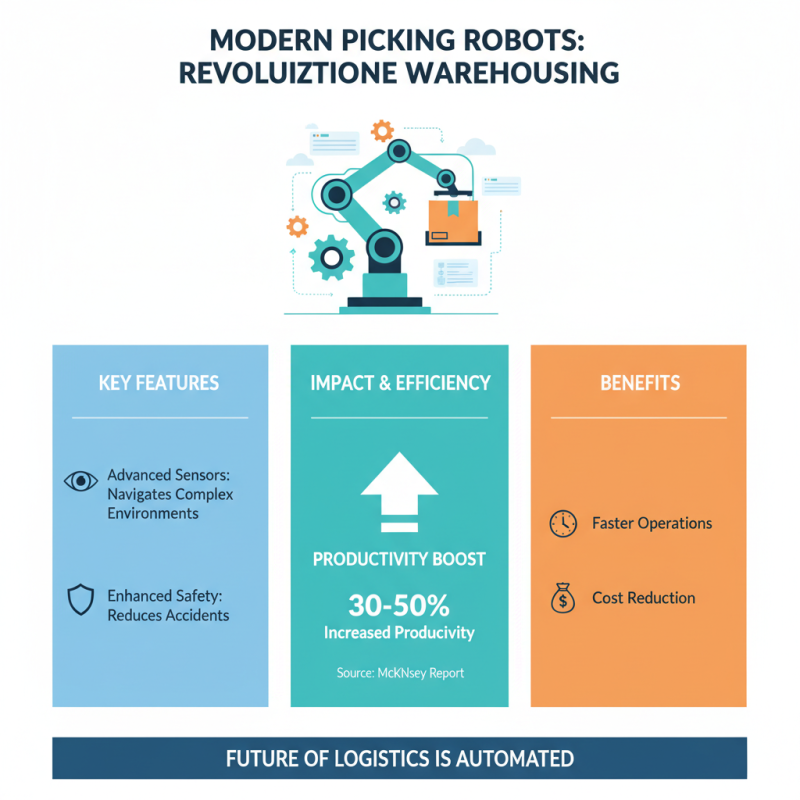
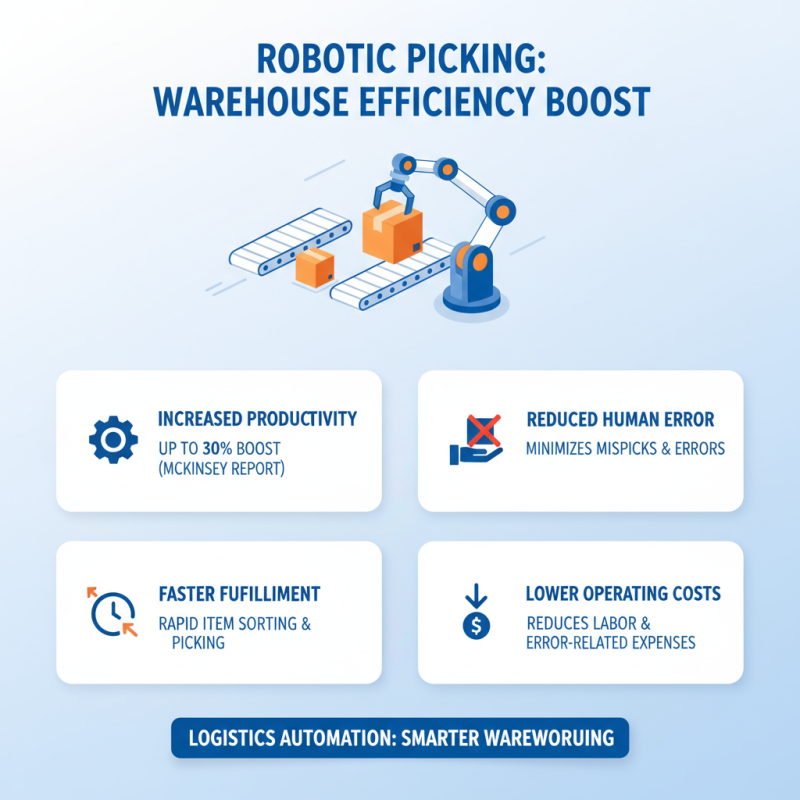
In recent years, the role of picking robots in warehousing has gained significant attention. These robots improve efficiency and reduce labor costs. According to a report by McKinsey, automation could increase productivity in warehousing by up to 30%. As e-commerce grows, companies need reliable solutions for inventory management. Picking robots offer both speed and precision in handling goods.
The importance of picking robots extends beyond just speed. They also enhance safety in warehouses. Workers face risks while manually lifting heavy items. Robots alleviate these dangers, allowing humans to focus on complex tasks. A study published by GlobalData shows that 70% of warehouses that implemented automation reported a decrease in worker injuries.
However, the transition to automation is not without challenges. Many organizations face integration issues with existing systems. Training workers to operate new technology requires time and resources. There are also concerns about the upfront costs. A report from Logistics Management emphasizes that these challenges must be analyzed carefully. Companies should weigh the long-term gains against initial investment hurdles. Addressing these factors is crucial for successful implementation.
Top Picking Robots Overview: Definition and Importance in Warehousing
| Robot Model | Picking Speed (Items/Hour) | Weight Capacity (kg) | Battery Life (Hours) | Navigation Technology | Common Use Cases |
|---|---|---|---|---|---|
| Model A | 1200 | 100 | 8 | Lidar | Order Fulfillment, Inventory Management |
| Model B | 950 | 150 | 10 | Marker-Based | Retail, E-Commerce |
| Model C | 1500 | 80 | 6 | SLAM | Pharmaceuticals, Food & Beverage |
| Model D | 1100 | 120 | 12 | Infrared | Manufacturing, Large Warehouses |
| Model E | 1350 | 60 | 5 | Vision-Based | Last-Mile Delivery, Automation |
Related Posts
-
2025 Top 5 Picking Robots for Efficient Agricultural Automation
-

Top 10 Picking Robots Revolutionizing Warehouse Efficiency in 2023
-

What is a Packaging Robot and How It Revolutionizes the Packaging Industry
-
The Ultimate Guide to Robotic Process Automation Software for Businesses
-

Top Robotic Process Automation Software to Streamline Your Business Operations
-

Top 10 Benefits of Robotic Automation for Modern Businesses
Customers




Smart Robotics brand movie
Watch video