What are the Top PCB Assembly Trends in 2026?
The landscape of PCB Assembly is rapidly evolving. According to a report by the IPC, the global PCB market is expected to reach $80 billion by 2026. This indicates a significant shift towards more advanced manufacturing techniques and sustainable practices. In recent years, we have witnessed a strong push for automation and smart manufacturing in PCB Assembly.
Dr. Susan Carter, a PCB Assembly expert and author, states, “Embracing technology is no longer optional; it’s essential for survival in this industry.” This highlights the urgency for companies to adapt to new trends such as AI integration and miniaturization of components. These advancements aim to enhance efficiency and reduce production costs.
Moreover, environmental considerations are becoming more prominent. An increasing number of manufacturers are adopting eco-friendly materials. However, not all companies are keeping pace with these changes, which raises concerns about competitiveness and compliance. As we look ahead to 2026, understanding these trends will be vital for anyone involved in PCB Assembly.
Emerging Technologies Driving PCB Assembly Innovations in 2026
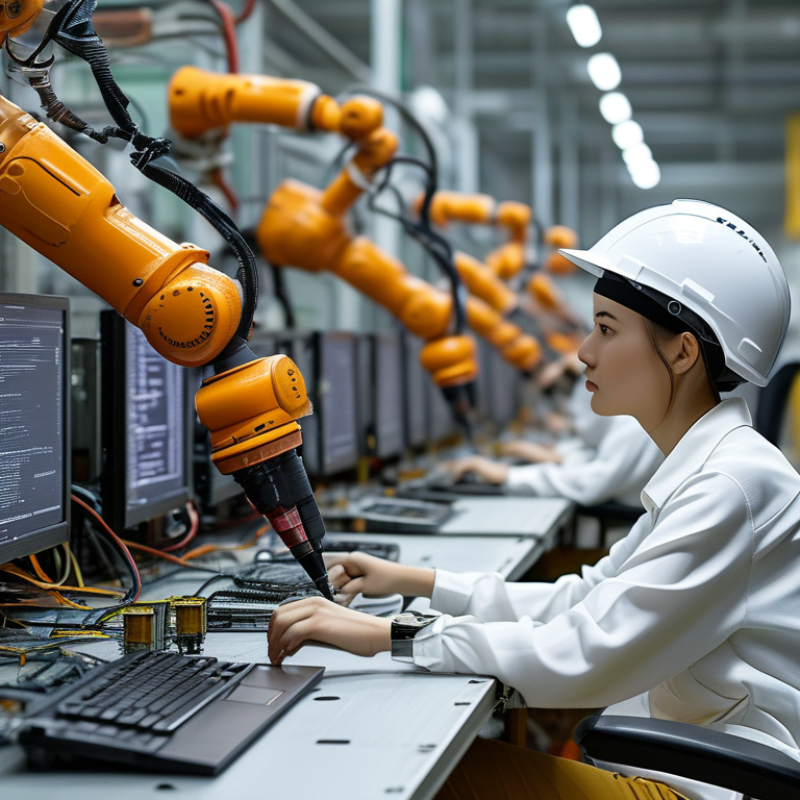
In 2026, PCB assembly is experiencing significant transformations driven by emerging technologies. One major trend is the adoption of advanced automation. Automated systems improve efficiency, reduce human error, and accelerate production cycles. However, implementing these systems can be challenging. Companies must balance the benefits of automation with the costs and the need for skilled technicians to oversee operations.
Another pivotal development is the rise of smart materials. These materials can change properties based on environmental factors, allowing for more flexible designs. For instance, PCBs might include self-healing properties or enhanced thermal management features. Yet, the integration of these materials into existing production processes raises questions about compatibility and sustainability.
Robotics is also reshaping PCB assembly lines. Collaborative robots, or cobots, work alongside human operators, enhancing precision while ensuring safety. This innovation requires training and adaptation. Some operators may feel uncertain about working with robots, leading to a learning curve. Manufacturers must invest time in developing effective integration strategies. Each of these technologies presents both opportunities and challenges for the industry as it strives to meet growing consumer demands.
Sustainability Practices Shaping the Future of PCB Manufacturing
The landscape of PCB manufacturing is evolving, with sustainability at the forefront. Recent studies indicate that up to 70% of PCB manufacturers now prioritize eco-friendly materials. This shift highlights an urgent industry response to climate change. Notably, energy-efficient processes are being adopted to reduce carbon footprints significantly.
The use of recycled materials is becoming more prevalent. Reports suggest that recycled plastics can replace about 30% of new materials in PCB production. This practice not only lowers waste but also meets increasing consumer demand for greener products. However, challenges remain. Sourcing high-quality recycled materials can be difficult, and many manufacturers lack robust recycling programs.
Waste reduction techniques are gaining traction too. For instance, advanced manufacturing technologies help minimize excess material waste. Yet, only 45% of PCB companies currently utilize these methods. Many firms are still hesitant due to the initial costs involved. There’s a clear need for more awareness and investment in sustainable practices. As the industry pushes toward a greener future, finding balance between cost and environmental responsibility will be crucial.
Automation and AI Integration in PCB Assembly Processes
The integration of automation and AI in PCB assembly processes is reshaping the landscape of electronics manufacturing. As per a recent report by Industry Research, the global PCB market is projected to reach $90 billion by 2026. This underscores the urgency for manufacturers to adopt advanced technologies for efficiency and accuracy.
Automated systems help reduce human error. They enhance production speed significantly. For instance, the use of robotic arms can increase assembly throughput by up to 30%. AI-powered software allows for real-time monitoring and predictive maintenance, ensuring minimal downtime. However, challenges remain. Implementing such technologies requires significant upfront investment and skilled workforce training.
The reliability of AI systems can be a concern. Misinterpretations in data can lead to defects. According to an IPC analysis, nearly 20% of PCB failures are attributed to process errors. Therefore, while automation offers immense potential, manufacturers must maintain rigorous quality controls to bridge the gap between technology and craftsmanship. Adjustments based on feedback and continuous learning are crucial for long-term success in this rapidly evolving sector.
Trends in Flex and Rigid-Flex PCBs for Diverse Applications
Flexible and rigid-flex PCBs are set to dominate the electronics landscape in 2026. As devices become smaller and smarter, flexibility in design is crucial. These PCBs offer unique advantages in various applications, such as wearable tech and medical devices. Their adaptability allows for compact designs that can fit into challenging spaces.
Manufacturers are focusing on higher durability and improved performance. Advancements in materials are enhancing the functionality and lifespan of flexible circuits. However, not every design team is prepared for these innovations. Some still rely on outdated techniques, leading to inefficiencies. Evaluating your PCB design processes can mitigate potential issues and enhance product reliability.
Tips: Consider investing in training for your design team. Staying current with PCB technology is essential for maintaining competitive advantage. Collaboration with experienced engineers can also bring fresh perspectives and solutions for complex challenges. Emphasis on prototyping can help identify flaws early, ensuring better final products. Keeping an open mind to new methodologies is vital as trends evolve.
Supply Chain Management Improvements in the PCB Industry
In 2026, the PCB industry will see significant improvements in supply chain management. As manufacturers adapt to market demands, the focus shifts towards enhancing transparency and resilience. Digital tools and software platforms will streamline processes. A central goal is to reduce lead times and optimize inventory management.
Acquiring real-time data on materials and production processes will help companies respond quickly. Transparent supply chains promote better relationships with suppliers and customers. Effective risk management strategies become essential in mitigating disruptions.
Tips: Ensure clear communication with suppliers. Regular evaluations of supplier performance will strengthen partnerships. Stay informed about market trends and potential risks.
The industry will also benefit from the adoption of local sourcing. This approach reduces shipping times and costs. It addresses geopolitical risks that could impact global supply chains. However, finding reliable local suppliers might present challenges. Not every region has the necessary resources.
Tips: Research local suppliers thoroughly. Evaluate their capabilities and past performance. Diversifying suppliers can enhance supply chain resilience.
What are the Top PCB Assembly Trends in 2026?
| Trend | Description | Impact on Supply Chain | Predicted Growth (%) |
| Automation in Assembly | Increased use of robotics and AI for assembly processes. | Enhances efficiency and reduces labor costs. | 15% |
| Sustainability Practices | Focus on eco-friendly materials and processes. | Reduces environmental impact and meets regulatory demands. | 20% |
| Advanced Materials | Use of new materials for better performance and reliability. | Improves product lifespan and reduces failure rates. | 18% |
| Supply Chain Resilience | Strategies to mitigate risks and ensure continuity. | Strengthens stability in production and delivery. | 22% |
| Smart Manufacturing | Integration of IoT and data analytics in manufacturing. | Enhances visibility and decision-making in supply chain. | 25% |