Top 10 Innovations in Robot Technology Shaping Our Future?
In the rapidly evolving realm of robot technology, breakthroughs are shaping our daily lives and industries. Experts predict a future where robots seamlessly integrate into various sectors. Dr. Maria Chen, a leading figure in robotic engineering, aptly stated, "Robot technology is not just about machines; it's about enhancing human capability."
These innovations promise efficiency and creativity. Robots are stepping into healthcare, manufacturing, and even education. For instance, surgical robots now assist surgeons with precision. However, dependence on automation raises concerns, like job displacement and ethical considerations.
Moreover, while advancements are exciting, they invite reflection. Are we ready for a world dominated by technology? Balancing innovation with human needs remains a challenge. As we embrace robot technology, we must ponder its long-term impact on our society and our roles within it.
The Rise of Autonomous Robots in Everyday Life
Autonomous robots are more common in daily life. They are not just in factories anymore. A report by the International Federation of Robotics (IFR) predicts that by 2025, over 30% of households will use some form of service robot. This includes cleaning robots, lawn mowers, and even cooking assistants.
However, the rise of these robots raises important questions. Many people worry about privacy. When robots operate in our homes, they collect data. This information can be sensitive. How do we ensure it's secure? Moreover, while robots can enhance convenience, they sometimes lack the nuanced understanding of human behavior. For example, a robot programmed to help the elderly may struggle with complex emotional situations. This gap is significant.
Society must think critically about these innovations. Are we ready for the changes they bring? Research shows that 40% of workers fear job loss due to automation. Balancing efficiency with human touch is vital. We should not ignore these concerns as we embrace the future of robotics. Emphasizing ethical considerations will shape a better integration of robots into our lives.
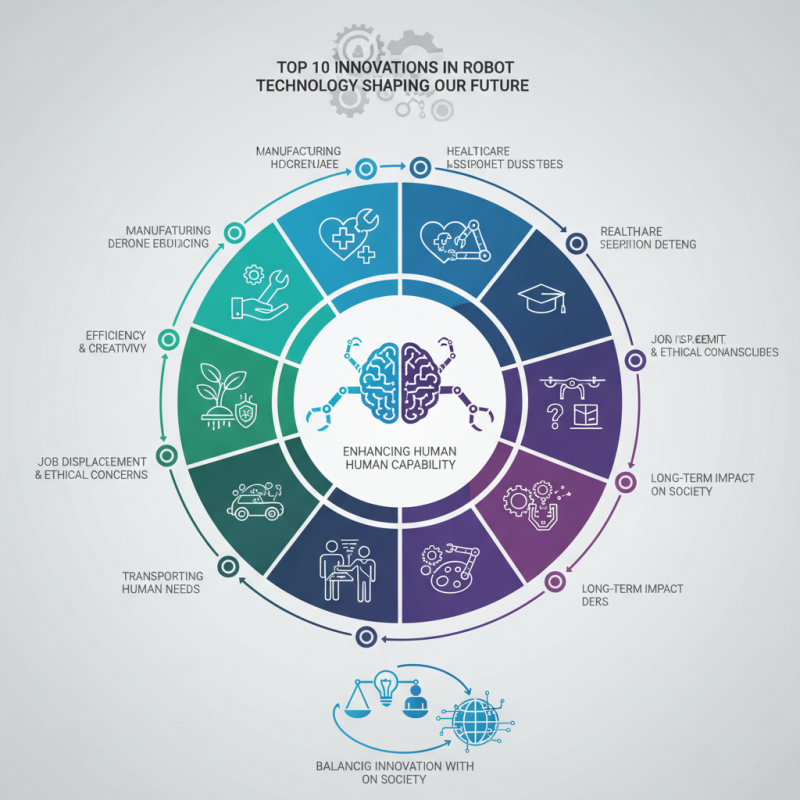
Top 10 Innovations in Robot Technology Shaping Our Future
This chart demonstrates the distribution of various innovations in robot technology that are expected to impact our daily lives significantly.
Advancements in AI and Machine Learning for Robotics
The field of robotics is experiencing rapid growth, driven by advancements in artificial intelligence and machine learning. These technologies enable robots to learn from their environment. They can adapt and improve their performance over time. This is seen in autonomous drones that navigate complex terrains using machine learning algorithms. The ability to recognize patterns allows them to optimize their flight paths.
Moreover, robots are increasingly capable of interacting with humans. They use natural language processing to understand commands. This has implications in healthcare, where robots assist in surgeries or patient care. However, the learning process can be flawed. Robots may misinterpret human emotions or faces. This raises concerns about trust and effectiveness in sensitive environments.
Despite these challenges, the potential is immense. Robots equipped with advanced AI can take over repetitive tasks. They free up human workers for more creative endeavors. Yet, we must reflect on the ethical implications. As robots become more capable, we must consider how they will coexist with humans in society. Balancing innovation and accountability will be crucial as we shape the future of robotics.
Innovations in Robotic Mobility and Navigation Technologies
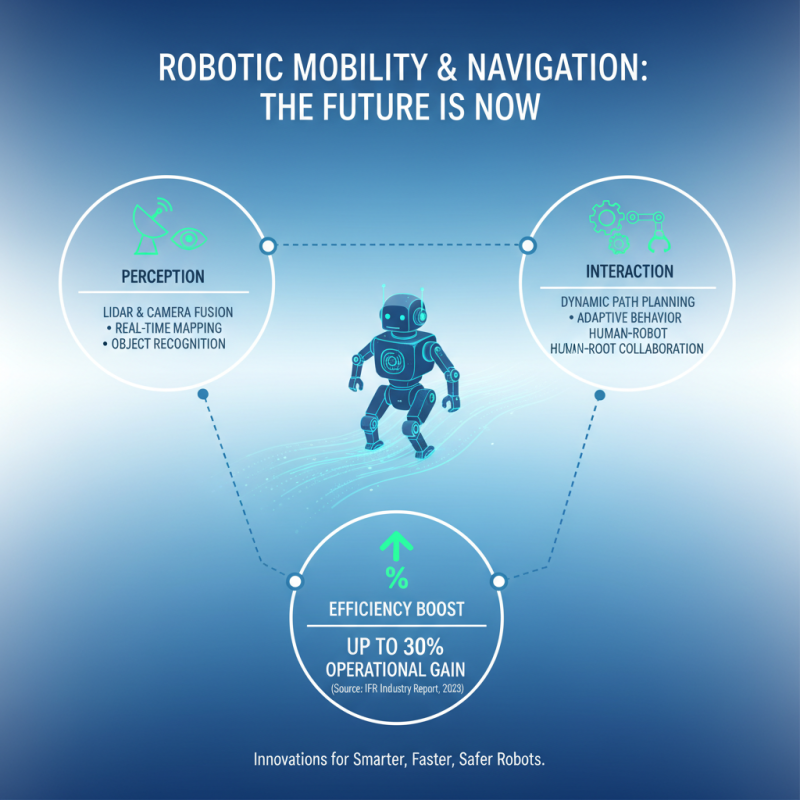
Robotic mobility and navigation technologies are advancing rapidly. Many innovations focus on enhancing how robots perceive and interact with their environments. According to a 2023 industry report by the International Federation of Robotics, mobility improvements in robots can increase operational efficiency by up to 30%.
One key area is autonomous navigation. Robots now use advanced sensors and AI algorithms for better decision-making. For example, some robots can identify obstacles with over 95% accuracy. These smart sensors enable robots to navigate complex terrains without human intervention. However, challenges remain. Certain environments still confuse robots. Complex indoor layouts can lead to errors in navigation, reducing efficiency.
Another exciting development involves multi-robot systems. Research shows that coordinating multiple robots can enhance productivity by 40% in warehouses. Sharing real-time data allows them to avoid collisions and streamline tasks. Yet, when too many robots operate in close proximity, issues arise. Their communication may lag, leading to synchronization problems. Such scenarios highlight the need for ongoing refinement in robotic communication protocols.
Integration of Robotics in Healthcare and Surgery
The integration of robotics in healthcare is transforming patient care and surgical procedures. In 2022, the global surgical robotics market was valued at approximately $4.5 billion. This figure is projected to reach over $11 billion by 2030, according to industry reports. These numbers highlight the significant investment in robotic technology for healthcare.
Robotic-assisted surgeries provide precision that human hands sometimes cannot achieve. For example, minimally invasive procedures reduce recovery time. Studies have shown that patients experience 20-30% less postoperative pain with robotic assistance. Some surgeons, however, express concerns about the reliance on technology. Potential complications arise when interpreting robotic data versus hands-on experience.
Moreover, robots are assisting in rehabilitation. Exoskeletons help patients regain mobility after surgeries or accidents. Increased patient engagement leads to better outcomes. Yet, the challenge remains: how to maintain the human element in healthcare. Balancing efficiency with personal touch is essential. As the industry advances, ongoing conversations about ethics and patient care must continue.
The Future of Human-Robot Interaction and Collaboration
The future of human-robot interaction is fascinating yet complex. As robots become more integrated into our daily lives, collaboration will be key. Imagine a healthcare environment where robots assist nurses. They handle tasks like delivering medication, allowing nurses to focus on patients. This partnership can enhance care, but it also raises questions about empathy and human touch.
Tip: Engage with robots for better results. Test simple tasks first. This builds trust and reduces anxiety.
In manufacturing, robots work alongside humans, streamlining production. Employees can learn from robots, gaining new skills. However, this dynamic can lead to feelings of competition and insecurity. Striking a balance is essential. It’s vital to encourage teamwork to harness the best from both sides.
Tip: Voice your concerns. Clear communication helps in understanding the role of robots. Discuss tasks and objectives to promote cooperation.