Top 10 Injection Molding Equipment Manufacturers Worldwide

Injection molding shapes the parts behind everyday products, from appliance housings to medical-device components. Yet the machine itself is only part of the story. Mold design, process control, materials, and operator skill all influence the final result. A stable cycle matters. So does dependable support when a production line stops.

John Bozzelli, a scientific molding educator and founder of Injection Technical Training, is known for a practical process-control principle: “If you can’t measure it, you can’t control it.” That idea is useful when comparing Injection Molding Equipment manufacturers. A polished brochure cannot show how consistently a machine holds pressure, handles a material change, or repeats a cycle on a busy factory floor. Those details deserve attention.

This overview of the Top 10 Injection Molding Equipment Manufacturers Worldwide introduces companies serving different production needs and markets. It considers factors such as machine range, automation options, technical support, and publicly available performance information. These are useful signals, not guarantees. A large press may suit a high-volume automotive program, while a compact electric machine may better fit a precision-parts workshop. Buyers should still verify specifications against their own molds, materials, and production targets. A ranking can simplify the search, but it cannot replace a factory trial. That distinction is easy to overlook. Companies also vary in regional service coverage, and published data may not reveal every limitation. The comparison ahead aims to inform, while leaving room for careful questions.
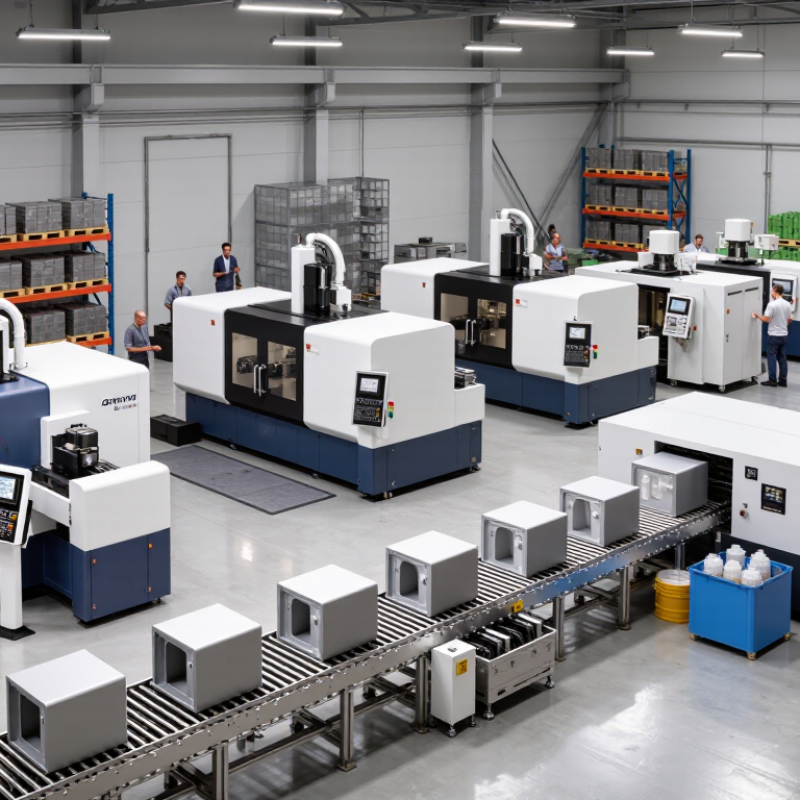
Top 10 Injection Molding Equipment Manufacturers Worldwide

Injection Molding Equipment: Purpose and Core Components

Injection molding equipment transforms polymer pellets into consistent parts through heating, pressure, and controlled cooling. Its purpose is not simply to push material into a mold. It must manage melt temperature, injection speed, holding pressure, and cycle time. Good control can limit short shots, flash, and dimensional variation. Results still depend on the resin and part design.

The core system has an injection unit, clamping unit, mold, and control system. A rotating screw conveys and melts pellets inside a heated barrel. The nozzle directs the melt into the mold, while the clamp holds the mold halves shut against pressure. Cooling channels remove heat, and ejector pins release the finished part. Sensors monitor key conditions, but they cannot replace inspection. Test runs matter.

Tips: Check the screw, nozzle, and mold vents for wear or residue. Keep a log of settings and rejected parts. Small changes can matter. Some defects come from material moisture or mold design, not the machine alone.

How Leading Manufacturers Are Identified and Compared Worldwide

Comparing injection molding equipment manufacturers worldwide requires more than ranking them by output or market share. A useful assessment starts with verifiable details: machine clamping force, injection capacity, energy use, and the range of materials a system can process. Buyers should also check whether published figures use comparable test conditions. A cycle time measured with a small, simple part may say little about production with a complex mold.

Service matters on the factory floor. Look for documented commissioning support, operator training, spare-part availability, and clear maintenance schedules. Ask how quickly technical teams respond across different regions, and whether local technicians can diagnose faults. A detailed service record is more useful than a broad promise. Check references from facilities with similar products and production volumes.

Quality and efficiency need context. A low-energy rating may depend on the machine setup, while advanced controls can require skills that a plant does not yet have. Trade fairs and product brochures help build a shortlist, but independent test data and customer interviews offer stronger evidence. Comparisons are never perfectly even. Some information is missing, and that should be stated rather than guessed. A transparent scorecard can weigh performance, reliability, support, and total operating cost against the buyer’s actual requirements.

Top 10 Injection Molding Equipment Manufacturers Worldwide - How Leading Manufacturers Are Identified and Compared Worldwide

Comparison note: Company names and brands are intentionally omitted. The entries represent established manufacturers associated with the listed countries and summarize broad, publicly described product capabilities. The order is an editorial comparison sequence, not a verified ranking by revenue, output, or market share.

No. Manufacturer profile Country associated with the profile Common equipment scope Comparison considerations
1 Established manufacturer profile Japan All-electric, hydraulic, and hybrid injection molding machines Compare precision, energy use, machine range, and automation compatibility.
2 Established manufacturer profile Germany Hydraulic and electric presses, with integrated process and automation solutions Assess application engineering, configuration options, and service coverage.
3 Established manufacturer profile Austria Hydraulic, hybrid, and electric machines, including specialized clamping designs Compare machine layout, clamping options, process support, and local service.
4 Established manufacturer profile China Hydraulic and servo-hydraulic presses across a broad range of applications Evaluate delivered configuration, cycle requirements, controls, and after-sales support.
5 Established manufacturer profile United States Hydraulic and electric molding equipment, with related tooling and process solutions Compare application fit, controls, parts availability, and regional service capability.
6 Established manufacturer profile Switzerland Precision-oriented machines, including equipment for demanding high-speed applications Assess repeatability, cycle performance, process control, and application-specific support.
7 Established manufacturer profile Italy Hydraulic and electric presses for general-purpose and specialized molding Compare available configurations, automation integration, and support in the target market.
8 Established manufacturer profile South Korea Electric and hydraulic molding machines for industrial production Review machine range, productivity requirements, controls, and service network.
9 Established manufacturer profile Taiwan Servo-hydraulic and electric presses for a range of molding applications Compare standard and optional specifications, energy performance, and distributor support.
10 Established manufacturer profile India Hydraulic and servo-hydraulic machines serving domestic and export markets Check machine specifications, commissioning support, spare parts, and export service coverage.

Recommended evaluation criteria: machine type and clamping-force range, repeatability, cycle performance, energy consumption, automation options, application engineering, warranty terms, spare-parts availability, and service coverage. Actual capabilities vary by model and configuration; confirm specifications directly before procurement.

Profiles of Ten Major Injection Molding Equipment Manufacturers

Profiles of Ten Major Injection Molding Equipment Manufacturers

These ten profiles highlight different strengths among major equipment manufacturers worldwide. They are not a performance ranking.

Profile one is a large-scale press builder, suited to bulky housings and high-clamp-force production.

Profile two focuses on precision machines, where stable shot size matters for small, detailed parts.

Profile three emphasizes servo-hydraulic systems, balancing power with energy use during variable production cycles.

Profile four specializes in all-electric presses, valued for repeatability and clean, quiet operation.

Profile five develops multi-component machines for parts requiring several materials or colors. Details matter.

Profile six serves packaging producers, where fast cycles and consistent thin walls shape machine selection.

Profile seven targets medical applications, emphasizing process control and traceable production data.

Profile eight combines presses with robotics and peripheral equipment, helping factories coordinate complete cells.

Profile nine supports established plants through upgrades, controls, and automation integration.

Profile ten provides broad machine portfolios for varied part sizes and production needs.

A specification sheet is only a starting point. Buyers should compare actual cycle times, mold compatibility, service access, and operator training requirements.

A press can look ideal on paper and still disappoint on the factory floor. That distinction is easy to miss.

Performance depends on the mold, material, process settings, and the people running the line.

Key Technologies and Product Categories Across the Industry

Injection molding equipment is best compared by capability, not catalog size. The main press categories are hydraulic, all-electric, and hybrid machines. Hydraulic systems provide high clamping force for large parts, but pump heat and energy use deserve attention. All-electric presses offer precise, repeatable movement through servo-driven axes. Hybrids combine hydraulic force with electric control. No neat winner.

The screw and barrel shape how resin melts, mixes, and travels into the mold. Screw design should match the material and part requirements; a poor match can create inconsistent shots or surface defects. Temperature controllers, dryers, and chillers also matter. A damp resin pellet or unstable mold temperature can undermine an otherwise capable press. Small details count.

Other equipment categories include multi-component presses, micro-molding systems, and machines with robotic part removal. Process monitoring can track pressure, temperature, and cycle time, helping operators spot drift before scrap piles up. Still, a machine specification never tells the whole story. Mold design, maintenance, and operator skill affect results too, and comparisons often overlook these conditions. That is worth questioning.

Factors to Consider When Selecting an Equipment Manufacturer

Choosing an injection molding equipment manufacturer starts with the part and process, not a ranking alone. Record resin type, part weight, mold dimensions, target cycle time, and expected annual output. A machine that looks impressive on paper may struggle with a particular mold or material. Ask for documented specifications and a production trial under comparable conditions. Good evidence matters.

Assess the full ownership picture. Compare energy use, repeatability, control-system clarity, spare-parts access, and technician response times. Ask how the manufacturer verifies clamp force and shot consistency, and request references from facilities with similar production needs. Review service terms carefully; vague promises can become costly delays. A sample run may not reveal every issue, either, so leave room for further testing.

Tips: Bring your mold drawings and material data to technical discussions. Request cycle-time records, not just estimates. Check whether operators can understand alarms quickly. If a specification is unclear, ask for it in writing. Small details count. A rushed selection can be hard to undo.

Smart Robotics brand movie

Watch video