Top 10 Fiberglass Drill Bits for Global Buyers

Fiberglass Drill Bits can vary widely in geometry, coating, shank design, and intended use. For global buyers, choosing a suitable option means looking beyond a product photo or a low quoted price. Glass fibers can abrade cutting edges, while excess pressure may cause fraying, splintering, or heat buildup. Small details matter. A sharp cutting tip, stable flute design, and compatible drill speed can help produce cleaner holes, but results also depend on the laminate, its thickness, and the operator’s technique. No single bit suits every fiberglass panel.

This guide to the Top 10 Fiberglass Drill Bits for Global Buyers compares practical features, including material, available sizes, stated applications, and supplier information. It also highlights questions worth asking before ordering: Are dimensions clearly specified? Can the supplier provide product data or sample testing? Are recommended speeds and workholding instructions available? Claims should be checked against the actual product and the buyer’s application. A ranking is a starting point, not a guarantee. Some choices may look excellent on paper and still disappoint in a specific laminate. That deserves a second look. Use the comparisons to narrow your shortlist, then verify fit, finish, and performance with a controlled test on representative material.
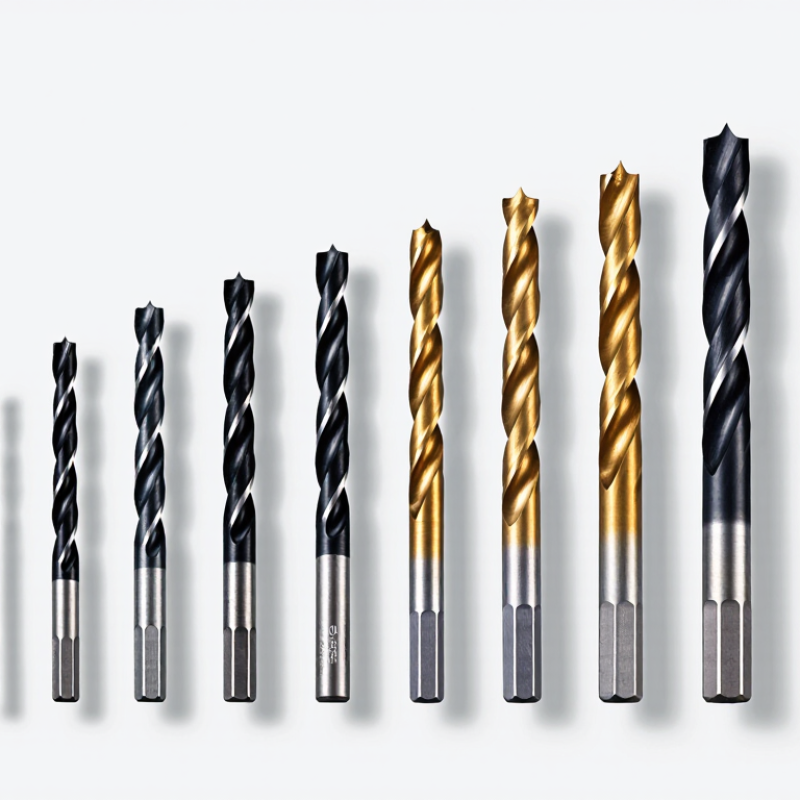
Top 10 Fiberglass Drill Bits for Global Buyers

What Fiberglass Drill Bits Are and How They Work in Composite Materials

Top 10 Fiberglass Drill Bits for Global Buyers

What Fiberglass Drill Bits Are and How They Work in Composite Materials

Fiberglass drill bits are designed to cut glass-fiber-reinforced plastic without excessively tearing its fibers. Many use sharp carbide edges or an abrasive coating to manage the glass fibers, which can quickly wear ordinary steel bits. The resin matrix softens when overheated, while unsupported fibers may fray or separate around the hole. That matters. A 2023 global composites market report estimated the market at US$93.7 billion in 2022, reflecting composites’ growing use across transport, construction, and energy applications.

In practice, the bit shears or abrades through the resin and fibers as it advances. A clean exit is often harder than a clean entry: the back face can splinter when the bit breaks through. Use a firm backing board, mark the hole, and feed steadily with light pressure. Follow the material supplier’s recommended speed; too much heat can discolor resin or leave a rough, damaged edge. Dust control matters too, since fine glass-fiber particles can irritate skin and lungs.

Tips: Test on scrap first. Check both sides of the hole, and stop if the laminate heats, squeals, or begins to fray. A small pilot hole may help with accurate placement, but it is not always necessary. Bit selection depends on laminate thickness, resin type, and finish expectations, so a single “best” geometry is rarely universal.

Key Features That Distinguish Fiberglass Drill Bits

For global buyers, a fiberglass drill bit should be judged by how cleanly it cuts, not just by its listed diameter. Fiberglass combines hard glass fibers with resin, so ordinary bits may dull quickly or leave ragged edges. A sharp point helps limit wandering on smooth panels. Split-point or carefully ground tips can reduce walking and improve hole placement.

Geometry matters. A controlled cutting edge and clear flutes help remove dust without trapping it against the workpiece. Some bits use carbide for wear resistance; others suit lighter, occasional work. Match the bit to the laminate thickness and drilling frequency.

Start slowly, use steady pressure, and support the panel with a backing board. Small details count. Excessive heat can damage resin, while pushing too hard may cause chipping or delamination. Wear eye protection and a suitable dust mask; fiberglass dust is irritating.

Buyers should also check shank compatibility, diameter tolerance, and whether the cutting geometry is intended for composites. Clear technical data makes comparisons more reliable across suppliers. Packaging that protects the cutting edge matters during long-distance shipping. Still, no bit works perfectly on every laminate. Test on an offcut when possible, and treat advertised life estimates as guidance, not a guarantee.

How to Choose a Fiberglass Drill Bit for Your Application

Top 10 Fiberglass Drill Bits for Global Buyers
How to Choose a Fiberglass Drill Bit for Your Application

Choosing a fiberglass drill bit starts with the laminate, not the catalog label. Thin panels need a sharp cutting edge and light pressure; thick, resin-rich sheets may wear ordinary steel quickly. For occasional small holes, a sharp high-speed-steel bit may work. For repeated drilling or abrasive laminates, consider carbide-tipped or grit-coated bits rated for composites. Small details matter.

Match the bit to the hole and surface. A brad-point or composite bit can help limit wandering on a flat panel. A conventional twist bit may also work when guided carefully. Check the supplier’s material and diameter guidance, then test on an offcut from the same panel. For larger holes, drill a pilot hole and support the back face with scrap wood. Keep the bit square. Too much pressure can chip fibers or separate layers. A slow, steady feed is usually better than forcing a dull edge, though the right speed depends on bit size and panel thickness.

Wear eye protection and a suitable particulate respirator. Fiberglass dust can irritate, and vacuum extraction helps keep it off the workbench. Stop if the resin smells hot or the hole edge turns fuzzy. Let the bit cool, clear its flutes, and inspect the cut before enlarging it. No single bit is perfect. A test hole may still look rough, so adjust the feed or point style before blaming the panel.

Top 10 Fiberglass Drill Bits for Global Buyers - How to Choose a Fiberglass Drill Bit for Your Application

Compare common bit designs for drilling fiberglass-reinforced plastic (FRP) and fiberglass laminates. The list is a practical selection guide, not a brand ranking; size availability and performance vary by manufacturer and workpiece.

Rank Drill Bit Type Typical Cutting Material or Geometry Common Size Range Best-Suited Application Main Advantage Limitations and Selection Notes
1 Solid carbide twist drill Solid tungsten carbide; standard or composite-oriented point geometry Approximately 0.5–12 mm (0.02–0.47 in) Repeated production drilling and abrasive FRP laminates High hardness and wear resistance help maintain hole quality over longer runs. Brittle compared with steel; use a rigid setup and avoid side loading or impact.
2 Carbide-tipped twist drill Carbide cutting edges bonded to a steel shank Approximately 2–20 mm (0.08–0.79 in) General-purpose workshop drilling in fiberglass panels Combines carbide cutting edges with a tougher steel body; widely available in common sizes. Tip quality and brazing vary. Check that the tip is intended for abrasive composites.
3 Diamond-coated twist drill Diamond abrasive coating on a steel or carbide body Approximately 1–12 mm (0.04–0.47 in) Small holes in thin fiberglass sheets and delicate laminates Abrasive cutting can reduce aggressive edge engagement on thin or brittle material. Coating life depends on use and substrate; avoid excessive pressure and heat.
4 Diamond-grit hole saw Diamond abrasive cutting rim, usually with a hollow core Approximately 6–100 mm (0.24–3.94 in) Larger circular openings in FRP panels Suitable for making larger holes without using a solid, full-diameter bit. Use the cutting method and speed recommended for the specific saw; remove the core and dust safely.
5 Carbide-grit hole saw Carbide-grit edge on a hollow saw body Approximately 16–100 mm (0.63–3.94 in) Medium and large openings in fiberglass panels or mouldings Grit-edge cutting is useful for abrasive non-metallic materials and larger diameters. May leave a rougher edge than a fine abrasive tool; secure the panel and support its back face.
6 Composite-point carbide drill Carbide with a point designed to limit ply lifting and exit-side damage Approximately 2–12 mm (0.08–0.47 in) Drilling layered fiberglass laminates where delamination is a concern Purpose-designed point geometry can improve entry and exit quality in composite stacks. Point designs differ; confirm suitability for the laminate thickness and stacking arrangement.
7 Low-helix composite drill Carbide or other wear-resistant cutting material with reduced helix geometry Approximately 3–13 mm (0.12–0.51 in) Controlled drilling in layered or backed composite parts Geometry can help manage chip formation and reduce pulling at the hole edge. Not every low-helix design is intended for fiberglass; check the tool maker's material guidance.
8 Carbide step drill Stepped cutting edges, typically carbide for abrasive composite use Commonly covers about 4–32 mm (0.16–1.26 in), depending on the tool Several hole diameters in thin fiberglass panels Multiple diameters can be produced with one tool, and the stepped profile is useful for thin sheets. Confirm panel thickness and step dimensions; standard HSS step drills may wear quickly in abrasive FRP.
9 Carbide countersink Carbide cutting edges; single-flute or multi-flute designs Commonly about 6–25 mm (0.24–0.98 in) cutting diameter Creating a shallow recess for flush fasteners after drilling a pilot hole Allows a separate, controlled finishing operation for countersunk fasteners. Use light, controlled cuts; excessive pressure can chip the laminate or enlarge the recess.
10 Carbide-grit abrasive drill Abrasive cutting surface, often a grit-coated or tubular design Approximately 2–25 mm (0.08–0.98 in), depending on design Small-to-medium holes in brittle or highly abrasive fiberglass materials Removes material by abrasion rather than relying only on sharp conventional cutting edges. Can cut more slowly than a sharp carbide twist drill; use suitable backing and follow tool instructions.

Practical selection and safety: Match the bit to the laminate, hole diameter, production volume, and machine rigidity. Support the workpiece with a backing board where practical, clamp it securely, and use the speed and feed guidance supplied with the bit. Avoid overheating, wear suitable eye protection, and control fiberglass dust with appropriate extraction and respiratory protection.

Top 10 Fiberglass Drill Bits for Global Buyers Compared

Top 10 Fiberglass Drill Bits for Global Buyers Compared

Choosing among fiberglass drill bits depends on panel thickness, hole size, and the material behind the laminate. For small holes, standard HSS twist bits are affordable, but they can dull faster. Cobalt HSS handles heat better, though it is not always necessary. Carbide-tipped twist bits resist wear; diamond-grit bits can make clean holes in abrasive panels. Brad-point and split-point designs help with accurate starts. Pilot-point bits reduce wandering on smooth surfaces. Step bits suit thin sheets and larger openings. Multi-material carbide bits offer flexibility, but may be less precise. For wide holes, compare carbide-grit and fine-tooth hole saws. These are options, not fixed winners.

Performance depends on more than the bit. A dull edge can fray fibers, while excessive pressure may crack a panel or damage its backing. Use a stable work surface, support the exit side, and check the panel maker’s drilling guidance when available. Wear suitable eye protection; fiberglass dust can irritate skin and lungs. Results vary. Test on an offcut when possible, especially with coated or layered panels.

Tips: Use low to moderate speed and steady pressure. Clear dust often. Stop if the bit gets hot or the hole edge begins to fuzz. A small pilot hole helps, but it is not always needed.

Safe Use, Care, and International Purchasing Considerations

Fiberglass rewards a steady hand, not force. Before drilling, secure the panel on a stable surface and support the exit side with scrap wood. This helps reduce splintering. Wear sealed eye protection and a suitable dust mask, and keep the work area ventilated. Fiberglass dust travels. Follow the panel maker’s safety guidance, especially when coatings or resins are present. Start slowly, use light pressure, and clear dust without blowing it into the air. If the bit or surface gets hot, pause and let it cool.

After use, remove residue with a soft brush or vacuum fitted with appropriate filtration. Avoid wiping dust across your skin. Check the cutting edges for chips and the shank for bending; a damaged bit can wander or tear the laminate. Store bits dry, separated, and protected from knocks. A small, labeled case helps on busy job sites.

For international orders, confirm diameter, length, shank type, and intended material—not just the product name. Metric and imperial sizes can look nearly identical. Ask for clear specifications, packaging details, and realistic dispatch times, then check whether destination-market documentation is needed. Customs processes and product requirements vary. I have seen careful buyers overlook the shank size; it is a small detail, but it can make a good bit unusable.

Top 10 Fiberglass Drill Bits for Global Buyers - Safe Use, Care, and International Purchasing Considerations

Common fractional-inch drill diameters and their metric equivalents. Metric values are calculated using 1 inch = 25.4 mm.

Safe use and purchasing: Choose a diameter to match the fastener or specified hole size; these sizes are not a ranking or a substitute for the laminate maker’s guidance. Use a sharp bit, support the work, drill at a controlled speed, and wear eye and respiratory protection to reduce exposure to fiberglass dust. Keep bits clean and dry, and confirm diameter units, shank compatibility, and applicable product specifications with the supplier before ordering internationally.

Smart Robotics brand movie

Watch video