In 2026, commercial printers can choose from several machine types, each suited to different jobs. A Commercial Printing Machine may use offset, digital toner, inkjet, flexographic, or screen technology. The right choice depends less on hype than on print volume, material, turnaround, and finishing requirements. A short run of personalized brochures needs a different setup from thousands of identical cartons. The difference shows on the shop floor: paper rolls, stacked sheets, drying time, and operator workload all matter.
Offset presses remain relevant for long runs and consistent color, while digital presses often suit short runs and variable data. Inkjet systems serve applications ranging from direct mail to wide-format graphics. Flexographic machines are common for packaging and labels, especially when production involves rolls and flexible substrates. Screen printing can still make sense for specialty effects or particular materials. Hybrid systems combine processes, but added capability can bring added complexity and cost. It depends.
This guide compares the leading commercial printing machine types expected to matter in 2026. It considers their strengths, limitations, typical applications, and practical buying factors. Specifications and performance vary by model, substrate, and operating conditions, so buyers should verify claims with demonstrations and sample jobs. A machine that looks impressive in a brochure may not fit a real production schedule. That is worth remembering.
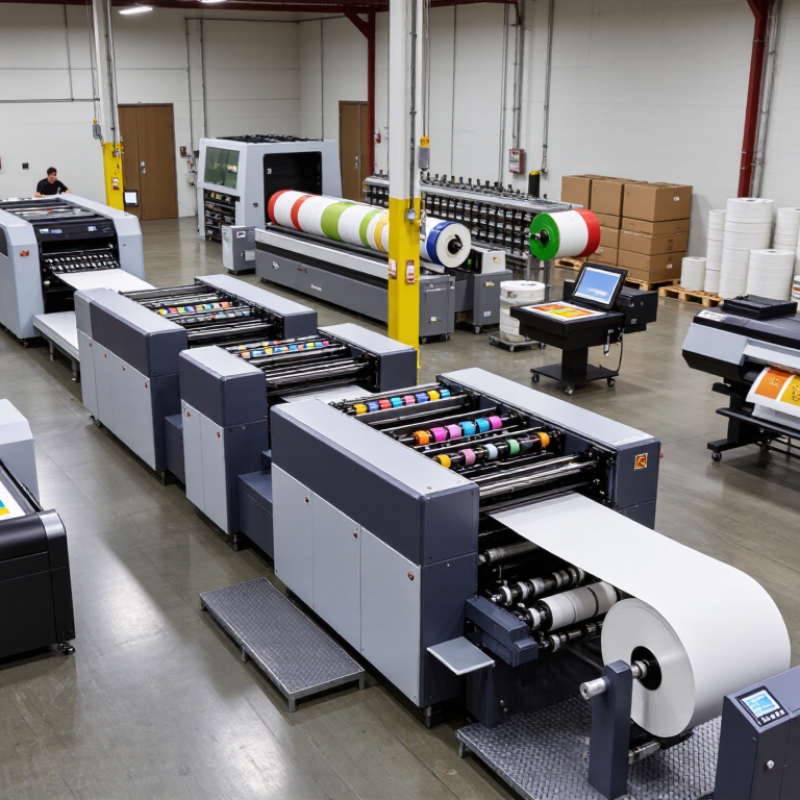
Commercial printing machines are best classified by how they transfer an image, not by their size or color capacity. Offset presses transfer ink from a plate to a rubber blanket, then onto paper. They suit long runs, such as catalogs stacked beside a bindery line. Digital presses form images directly from electronic files, using toner or inkjet technology. Flexographic presses use flexible relief plates and often print packaging materials. Gravure and screen presses serve specialized, high-volume or specialty applications. The categories can overlap.
That boundary is not always tidy. Some digital presses handle multiple substrates, while hybrid systems combine processes. A practical comparison also considers sheet-fed versus web-fed operation, substrate thickness, setup time, and finishing needs. Smithers’ The Future of Global Printing to 2027 forecasts global print-market value rising from $818.2 billion in 2022 to $834.3 billion in 2027. Its Future of Digital Printing to 2032 report forecasts growth in digital print value from $136.7 billion in 2022 to $230.5 billion in 2032. These figures describe market value, not machine sales. For buyers, that distinction matters: a press suited to short, customized runs may be a poor fit for millions of identical cartons. Check actual job samples, waste rates, and changeover times. A specification sheet rarely tells the whole story.
Offset presses suit long commercial runs where color stability and repeatability matter. A plate transfers ink to a rubber blanket, which then prints onto paper. Once the press is set up, thousands of sheets can move through with consistent results. That makes offset useful for catalogs, brochures, magazines, and other jobs with substantial quantities. Operators monitor ink, water balance, registration, and paper feed throughout production. Small changes in any of these can affect the finished sheet. Setup takes time, though, so a short run may not justify the preparation and plate costs. It is not always the fastest choice.
Tips: Approve a press proof before the full run. Check fine text, image detail, and color under steady lighting. Keep a signed sample near the press for comparison. Ask the printer how paper choice may affect ink absorption and drying. Simple checks help.
Consistency still depends on people and conditions, not just the machine. Paper can vary slightly between batches, and humidity may influence how sheets feed. Experienced operators adjust settings as needed, but no process removes every variation. I would allow time for setup and inspection rather than treating the quoted run speed as the whole schedule. For predictable bulk printing, that practical margin often matters as much as the press itself.
Digital presses suit commercial jobs that change often: event programs, short catalogs, personalized mail, and replacement pages. A toner-based press can produce crisp text and graphics on coated stocks, while inkjet presses often support fast, continuous production across larger volumes. The best fit depends on substrate, finishing, image quality, and the number of copies—not simply the machine’s rated speed. A 300-copy booklet with three versions may be a better digital job than one 900-copy version.
Smithers’ report The Future of Digital Printing to 2032 estimated the global digital print market at $136.7 billion in 2022 and projected $230.5 billion by 2032. This measures printed output, not press sales, so it signals market direction rather than guaranteed returns for an individual shop. On-demand production can reduce unused inventory and warehousing, especially when content changes quickly. That matters. Yet short runs still require file checks, color control, and finishing setup; those costs do not disappear. A press may sit idle if job scheduling is weak.
Before investing, compare the full cost per finished sheet across realistic jobs. Test the actual paper, small type, dark solids, and folding or binding process. Ask operators to track makeready waste and reprints for several weeks. The result may be less impressive than a brochure’s headline speed. That’s useful. A digital press earns its place when quick turnaround and frequent job changes outweigh its higher unit cost on longer runs.
Flexographic presses remain a practical choice for packaging and label work in 2026. They transfer ink from raised image areas on flexible plates to a moving web of material. Many presses use several color stations, allowing designs to be printed in one pass. That matters. A label roll can move from printing to finishing with fewer handling steps.
Anilox rollers meter ink onto the plates, so their condition and setup affect color consistency. Operators also watch web tension, registration, drying, and impression pressure. Small changes can show up as blurred text or uneven color. Flexo can handle paper, films, and some packaging boards, but the right ink and press configuration depend on the substrate and end use. Not every job. Very short runs or frequent design changes may make plate preparation and changeovers less economical. Water-based or UV-curable inks may suit particular applications, but drying, curing, and performance requirements need careful testing. A production trial on the actual material is often more useful than relying on a sample sheet. One lesson is easy to miss: speed helps only when setup and quality checks keep pace.
| Press Type | Typical Configuration | Common Packaging and Label Applications | Typical Materials | Key Advantages | Important Considerations |
|---|---|---|---|---|---|
| Central impression (CI) flexographic press | Multiple print stations arranged around one large impression cylinder | Flexible packaging, film bags, pouches, and wraps | Plastic films, paper, and some laminates, depending on press setup | The shared impression cylinder helps maintain web stability during multicolor printing, particularly on flexible films. | Requires careful ink drying and tension control; press and cylinder setup can be substantial. |
| Inline flexographic press | Printing and converting stations positioned in a straight web path | Cartons, flexible packaging, tags, and labels; often used when printing is combined with finishing | Paperboard, paper, film, and pressure-sensitive label stock | Can combine printing with operations such as coating, laminating, die-cutting, or slitting in one production line. | Line layout and job setup depend on the number and order of printing and converting stations. |
| Stack flexographic press | Print stations stacked vertically, each with its own impression cylinder | Flexible packaging, bags, paper products, and some label work | Paper, films, and other flexible web materials suited to the press configuration | Offers a compact station arrangement and can handle a range of web-printing applications. | Web handling and print registration need to be managed across the separate stations. |
| Narrow-web label flexographic press | Compact press designed for relatively narrow rolls, commonly configured inline | Pressure-sensitive labels, shrink sleeves, wraparound labels, and tags | Label paper, films, and pressure-sensitive label constructions | Well suited to label production and can integrate finishing steps such as die-cutting and slitting. | Maximum web width, repeat length, and finishing options vary by press configuration. |
| Corrugated post-print flexographic press | Sheet-fed flexographic press that prints on corrugated board after it has been formed | Shipping cases, retail-ready packaging, and printed corrugated sheets | Corrugated board and linerboard | Prints directly onto corrugated packaging and can support production of large-format boxes. | Board thickness, surface characteristics, and handling requirements influence achievable print detail. |
Press categories can overlap: for example, a narrow-web label press may use an inline configuration. Material compatibility and production capabilities depend on the specific press, inks, and finishing equipment.
Screen and wide-format printers serve jobs that standard production presses may not handle well. Screen printing machines suit repeat designs on textiles, panels, and other flat materials. Their appeal is practical: a prepared screen can lay down a dense, tactile ink layer. Setup takes care, though. Mesh choice, stencil thickness, and squeegee pressure all affect the result. A slight pressure change can soften a fine edge. Test on the actual material.
Wide-format printers handle oversized graphics, signs, displays, and decorative surfaces. Roll-fed machines work with flexible media, while flatbeds hold rigid sheets such as foam board or acrylic. Operators check media feed, head height, and color profiles before a run. These details matter. A curled edge can cause a strike, and room lighting can make color judgments unreliable. Keep samples nearby.
For specialty applications, match the machine to the material and finish, not just the maximum print width. Screen printing may suit a durable, raised effect; wide-format output may be better for detailed imagery or short runs. Drying and curing requirements vary by ink and substrate, so follow equipment guidance and verify adhesion with a small test. Real jobs are less tidy than spec sheets suggest. A substrate can vary from batch to batch, and a test print may still miss a later production issue. Calibration helps, but it does not replace inspection.
Representative nominal media widths available across commercial wide-format printer classes. Actual printable width varies by model; screen printing is also widely used for specialty inks, textures, and substrates.
Widths shown are common format sizes, not a universal industry standard. Wide-format systems serve signage, displays, and graphics; screen presses suit specialty applications requiring controlled ink deposition.
Watch video