Top 10 Careers in Robotics Engineering You Should Explore Today
As the world continues to embrace technological advancements, robotics engineering has emerged as a pivotal field driving innovation across various industries. With automation and artificial intelligence becoming integral to business operations, the demand for skilled professionals in robotics engineering is at an all-time high. This growing field encompasses a wide range of career opportunities, each contributing to the evolution of how machines interact with humans and their environments.
In this article, we will explore the top 10 careers in robotics engineering that you should consider today. From designing intelligent robotic systems to programming sophisticated algorithms, the roles available in this dynamic discipline are as diverse as they are rewarding. Aspiring engineers can find a multitude of pathways that not only leverage their technical expertise but also allow them to contribute to groundbreaking projects that can shape the future. Whether you are just beginning your journey or seeking a new direction in your career, understanding these opportunities in robotics engineering is essential for making informed choices in a technologically driven job market.

Overview of Robotics Engineering Careers and Their Importance
Robotics engineering is a rapidly evolving field that plays a crucial role in modern technology and industry. As automation continues to transform various sectors, careers in this domain are becoming increasingly significant. Robotics engineers design, build, and maintain robots and robotic systems, which can enhance efficiency and precision in manufacturing, healthcare, and agriculture. Their contributions not only drive economic growth but also improve the quality of life by enabling advancements in areas like medical surgery, elder care, and hazardous material handling.
The importance of robotics engineering careers extends beyond technological innovation; they also address critical societal challenges. As industries face labor shortages and the need for increased productivity, skilled robotics engineers are essential in developing solutions that can operate in extreme environments or assist in complex tasks. The integration of robotics into everyday life fosters a smarter and more sustainable future, highlighting the need for professionals who can innovate and adapt to the rapidly changing landscape. Thus, exploring a career in robotics engineering is not merely about personal advancement; it is about contributing to a transformative field that has the power to redefine how we live and work.
Emerging Roles in Robotics: Trends and Opportunities
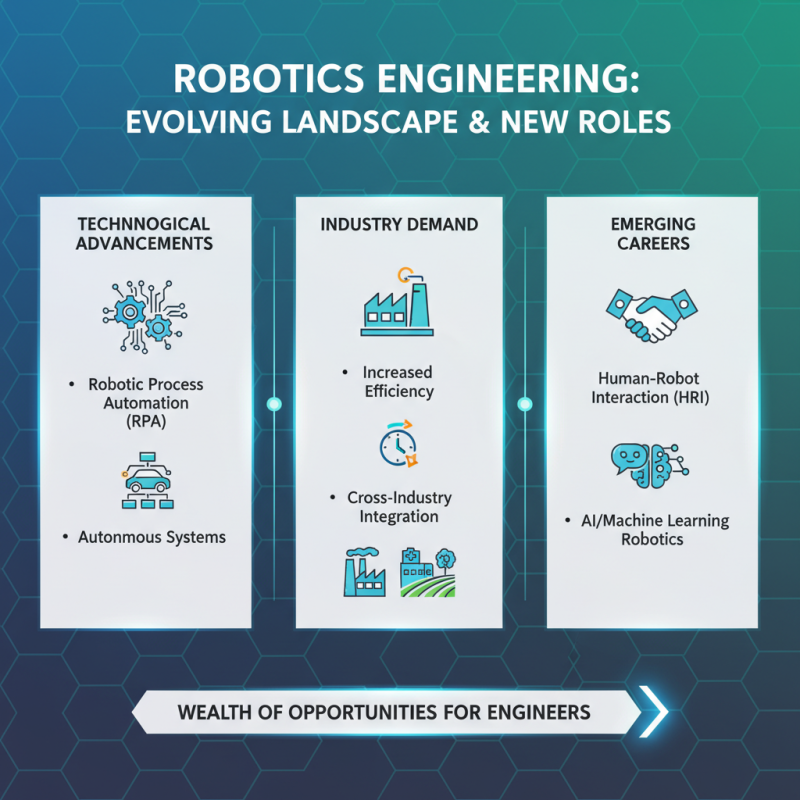
The field of robotics engineering is rapidly evolving, with emerging roles that not only reflect technological advancements but also address the growing demand for automation across various industries. As businesses increasingly integrate robotics into their operations, new opportunities arise for engineers to specialize in areas such as robotic process automation, autonomous systems, and human-robot interaction. These trends are shaping the landscape of robotics, creating a wealth of career options for those entering the field.
One notable trend is the rise of collaborative robots, or cobots, designed to work alongside humans. This requires engineers who understand both the mechanical and cognitive aspects of robotics, leading to demand for skills in programming and machine learning. Furthermore, sectors such as healthcare and logistics are seeking engineers to develop innovative solutions that enhance efficiency and safety, highlighting the multifaceted nature of modern robotics. Those who embrace these opportunities can expect a dynamic career that not only requires technical prowess but also creativity in solving real-world problems.
Top 10 High-Demand Robotics Engineering Careers to Consider
Robotics engineering stands at the forefront of technological advancement, and the demand for skilled professionals in this field is increasing rapidly. According to the Bureau of Labor Statistics, employment opportunities for robotics engineers are expected to grow by 9% between 2020 and 2030, reflecting a growing need in industries such as manufacturing, healthcare, and aerospace. As automation becomes more prevalent, careers in robotics engineering are not only plentiful but also offer a pathway to innovative and exciting projects that push the boundaries of what machines can do.
When exploring careers in robotics engineering, consider positions such as Robotics Software Engineer, Automation Engineer, and Research Scientist. These roles often involve interdisciplinary collaboration, requiring expertise in programming, mechanical design, and system integration. A report from the International Federation of Robotics indicated that the global robot density reached 126 robots per 10,000 workers in the manufacturing sector, highlighting the importance of skilled engineers to support and advance automation technologies.
Tips: To excel in this rapidly evolving field, focus on acquiring diverse skill sets that include programming languages like Python and C++, as well as knowledge of artificial intelligence and machine learning. Additionally, participating in robotics competitions or join robotics clubs can provide hands-on experience that is invaluable to employer interest. Staying informed about industry trends through seminars and webinars can also enhance your understanding and provide networking opportunities.
Essential Skills and Qualifications for Robotics Engineers
Robotics engineering is a rapidly growing field that requires a unique combination of skills and qualifications. According to the Bureau of Labor Statistics, employment of robotics engineers is projected to grow by 10% from 2020 to 2030, faster than the average for other occupations. To thrive in this dynamic environment, aspiring robotics engineers should focus on developing a robust technical foundation. Key competencies include proficiency in computer programming, knowledge of electrical and mechanical systems, and expertise in artificial intelligence and machine learning. Familiarity with software tools such as MATLAB and ROS (Robot Operating System) is increasingly becoming essential, as these tools are pivotal in the design and simulation of robotic systems.
Moreover, strong problem-solving skills and creative thinking are invaluable in robotics engineering. Projects often require innovative solutions to complex challenges, making critical thinking and adaptability vital attributes. Collaboration and communication skills also play a crucial role, as robotics engineers often work in multidisciplinary teams. A recent report from the International Federation of Robotics highlighted that over 70% of robotics engineers participate in team-based projects, underscoring the importance of effective teamwork in this field. Pursuing relevant degrees, certifications, and hands-on experience through internships or research projects can significantly enhance a candidate's marketability in the ever-evolving landscape of robotics engineering.
Top 10 Careers in Robotics Engineering
This bar chart illustrates the average salaries for the top 10 careers in robotics engineering. As shown, roles such as AI Research Scientist and Machine Learning Engineer tend to offer higher average salaries compared to traditional roles like Automation Engineer and Quality Assurance Engineer.
Future Outlook: The Evolution of Careers in Robotics Engineering
The future outlook for careers in robotics engineering is promising, driven by rapid advancements in technology and an increasing demand for automation across various industries. The integration of artificial intelligence and machine learning into robotics is redefining traditional roles within this field. As robots become more capable of performing complex tasks, the need for skilled engineers who can design, program, and maintain these systems will continue to grow. This evolution is opening up new opportunities in sectors like healthcare, manufacturing, and logistics, where robots are being deployed to improve efficiency and reduce human error.
Moreover, the rise of collaborative robots, or cobots, is a significant trend in the industry. These systems are designed to work alongside humans, enhancing productivity while ensuring safety in the workplace. As this technology develops, robotics engineers will need to focus on human-robot interaction, creating systems that can effectively communicate and collaborate with human workers. The shift toward more intelligent and autonomous robots signifies an exciting frontier for professionals in the field, inviting those with diverse skill sets in engineering, programming, and user experience design to explore a wealth of innovative career pathways.
Top 10 Careers in Robotics Engineering You Should Explore Today
| Career Title |
Average Salary (USD) |
Education Requirements |
Job Growth Rate |
Key Skills |
| Robotics Engineer |
$95,000 |
Bachelor's in Robotics/Engineering |
10% (2020-2030) |
Programming, CAD, Machine Learning |
| Automation Engineer |
$92,000 |
Bachelor's in Engineering |
9% (2020-2030) |
Signal Processing, Robotics |
| Mechatronics Engineer |
$85,000 |
Bachelor's in Mechatronics/Engineering |
8% (2020-2030) |
Circuit Design, Robotics |
| Robotics Technician |
$50,000 |
Associate's in Robotics Technology |
7% (2020-2030) |
Troubleshooting, Maintenance |
| Control Systems Engineer |
$98,000 |
Bachelor's in Electrical Engineering |
6% (2020-2030) |
PID Control, Automation |
| Artificial Intelligence Engineer |
$110,000 |
Master's in AI/Machine Learning |
15% (2020-2030) |
Python, Neural Networks |
| Research Scientist in Robotics |
$105,000 |
PhD in Robotics/AI |
12% (2020-2030) |
Research Methodology, Robotics |
| Robotics Software Engineer |
$100,000 |
Bachelor's in Computer Science |
11% (2020-2030) |
C++, Robotics Algorithms |
| Automation Test Engineer |
$88,000 |
Bachelor's in Engineering/Tech |
8% (2020-2030) |
Testing Protocols, Automation |
| Systems Integration Engineer |
$97,000 |
Bachelor's in Robotics/Engineering |
7% (2020-2030) |
Integration, Systems Design |