China’s spindle manufacturing sector now includes capable suppliers of Spindle Hub Bearing Assembly products for machining centers, turning equipment, and automated production lines. This guide examines ten manufacturers through practical criteria, including dimensional accuracy, preload control, material traceability, sealing design, heat treatment, and inspection discipline. These details matter. A bearing that feels smooth during assembly may still generate heat after hours of high-speed rotation.
Dr. Erwin V. Zaretsky, a respected bearing-life researcher, stated, “Bearing life is a system result, not merely a catalog number.” This principle guides the comparison. A reliable assembly depends on shaft fit, lubrication, housing rigidity, operating speed, and installation quality. It cannot be judged by brand claims alone. Manufacturers with strong documentation, calibrated measuring equipment, and repeatable runout data deserve closer attention. So do suppliers willing to discuss failure analysis.
The selected companies are not presented as universally superior. No ranking is flawless. Application demands differ between a compact CNC spindle and a heavy-duty grinding head. Some suppliers may offer excellent customization but limited overseas support. Others may provide impressive test reports while revealing little about long-term field performance. That gap deserves reflection. Buyers should request drawings, tolerance records, vibration data, warranty terms, and sample assemblies before making a decision. This introduction therefore treats price as only one factor. Precision is visible. Reliability is proven over time.
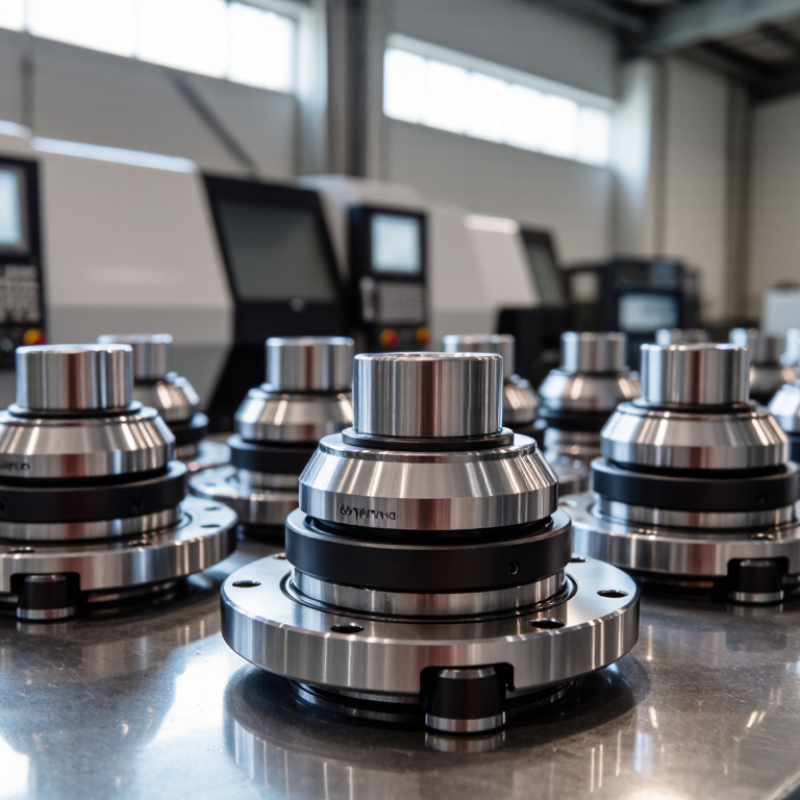
A spindle hub bearing assembly is an integrated unit that supports controlled rotation around a machine spindle. It combines precision bearings, a hub, seals, and mounting features. In a machine tool, the assembly carries radial and axial loads during continuous operation. Its role is not merely to reduce friction. It controls runout, heat, vibration, and spindle alignment. Small errors become visible.
During practical inspection, technicians check preload, clearance, rotational torque, and surface finish. They also measure vibration under realistic speed conditions. A sound assembly turns smoothly without abnormal noise or temperature rise. Poor sealing can allow coolant, dust, or metal particles to enter the bearing path. That contamination may scar raceways and shorten service life. Material hardness, cage design, lubrication channels, and sealing accuracy also affect reliability. Credible manufacturers should provide inspection records, dimensional reports, and traceable production information.
A dependable evaluation of China’s top ten spindle hub bearing assembly manufacturers requires more than comparing prices. Load ratings must match the spindle’s actual speed and working forces. I have found that catalog figures can appear impressive while installation conditions remain unclear. A bearing may meet laboratory specifications but perform poorly after incorrect mounting. This is where evaluation becomes imperfect. Real installations deserve more attention than promotional claims. Engineers should question tolerance control, heat treatment, balancing methods, and after-sales technical support before approving an assembly.
Key Technologies Used in Spindle Hub Bearing Manufacturing
Spindle hub bearing production begins with controlled steel cleanliness and stable forming processes. Manufacturers use precision forging to improve grain flow and reduce material waste. Computer-controlled turning then shapes raceways, flanges, and mounting surfaces. Heat treatment must balance hardness with toughness. Excessive hardness can create brittle edges. Insufficient hardness may shorten service life.
Grinding technology controls raceway geometry, surface roughness, and radial runout. Modern lines measure parts during machining, not only after completion. This catches thermal drift early. Assembly equipment applies controlled force and monitors press-fit depth. Accurate preload is essential for smooth rotation and low vibration. Too much preload increases heat. Too little allows movement and noise. That balance is easy to disturb.
Sealing systems protect the bearing from water, dust, and grease loss. Automated inspection checks seal position, torque, axial play, and sensor signals where integrated sensing is required. Laser marking supports traceability through material batches and process records. In practical production audits, small alignment errors often cause larger problems than visible surface defects. Engineers should review fixture wear regularly. No process is perfect. A missed calibration can affect thousands of assemblies. For this reason, final testing commonly includes rotational torque, noise, vibration, and dimensional verification under controlled conditions.
A strong spindle hub bearing assembly manufacturer should prove more than production capacity. Evaluate its engineering experience, material control, and process stability. Ask for evidence of heat-treatment control, grinding accuracy, sealing performance, and preload consistency. A reliable factory can explain how each measurement affects wheel vibration, noise, and service life. It should also provide inspection records, batch traceability, and clear corrective-action reports. A polished website is not proof.
Factory visits reveal practical details. Check whether operators use calibrated gauges and whether assembly areas remain clean. Review fatigue-testing equipment, dimensional reports, and sampling plans. Experienced teams often identify risks before final inspection. Customer references can confirm delivery consistency and technical support. However, references alone may be selective. Independent verification still matters. Certifications are useful, but their scope and validity require careful checking.
Tips: Compare several suppliers using the same checklist. Request recent test data, not only sample reports. Confirm bearing steel sources and process controls. Discuss warranty handling before placing an order. Minor assembly variations can create major field problems. Leave room for doubt.
China’s Top 10 Spindle Hub Bearing Assembly Manufacturers
China’s spindle hub bearing assembly sector supports passenger cars, commercial vehicles, and electric platforms. The China Association of Automobile Manufacturers reported 31.28 million vehicle units produced in 2024. Sales reached 31.44 million units. This production base creates sustained demand for precise hub assemblies.
A useful manufacturer review should examine more than annual output. Engineers should check bearing preload control, flange runout, sealing performance, and fatigue testing. ISO 15243 provides a practical framework for identifying bearing damage modes. According to the IMARC Group, the global automotive wheel bearing market continues expanding, supported by vehicle production and replacement demand. However, published estimates differ between research firms. That difference deserves attention.
The strongest Chinese suppliers usually demonstrate automated assembly, traceable heat treatment, and documented endurance results. Their laboratories may measure vibration at operating speed, not only static dimensions. Electric vehicles also increase expectations for low noise and efficient sealing. The top ten should therefore be assessed through process capability, warranty data, and independent certification.
Public information remains uneven. Some manufacturers disclose detailed test methods, while others provide only broad capacity figures. That weakens direct comparisons. A careful buyer should request sample inspection reports, material certificates, and batch-level traceability before approving a spindle hub bearing assembly. Cost matters, but unstable tolerances can create higher service expenses later.
This neutral reference chart shows common standardized metric bore diameters used in bearing series relevant to spindle and hub assemblies. The dimensions are presented as an industry comparison framework rather than company-specific sales, production, or ranking data.
China’s top ten spindle hub bearing assembly manufacturers serve machine tools, wheel-end systems, robotics, agricultural equipment, and automated production lines. Each application demands different bearing geometry, sealing, preload, and lubrication. A high-speed spindle needs low vibration and controlled heat growth. A vehicle hub assembly needs impact resistance, accurate sensor positioning, and stable performance under changing loads. Ask for application data before comparing prices.
Quality assessment should include material certificates, heat-treatment records, dimensional reports, and batch traceability. ISO 9001 shows process control, but it does not guarantee excellent assemblies. Automotive suppliers may also follow IATF 16949 practices. Check radial runout, axial play, preload consistency, hardness, grease quantity, and seal friction. Request endurance-test conditions, not only attractive test results. Small details matter.
Purchasing teams should review engineering support, sampling discipline, packaging, replacement policy, and production capacity. Confirm whether inspection equipment is calibrated and whether final testing matches real operating speeds. A polished catalog is not proof. One common mistake is choosing the lowest quotation before calculating downtime, installation labor, and failure risk. No checklist catches everything. Even a qualified factory can produce a weak batch, so incoming inspection and periodic audits remain necessary. Clear drawings, agreed acceptance limits, and documented change control reduce disputes.
Watch video