Essential Tips for Choosing the Perfect Robot Pet for Your Home
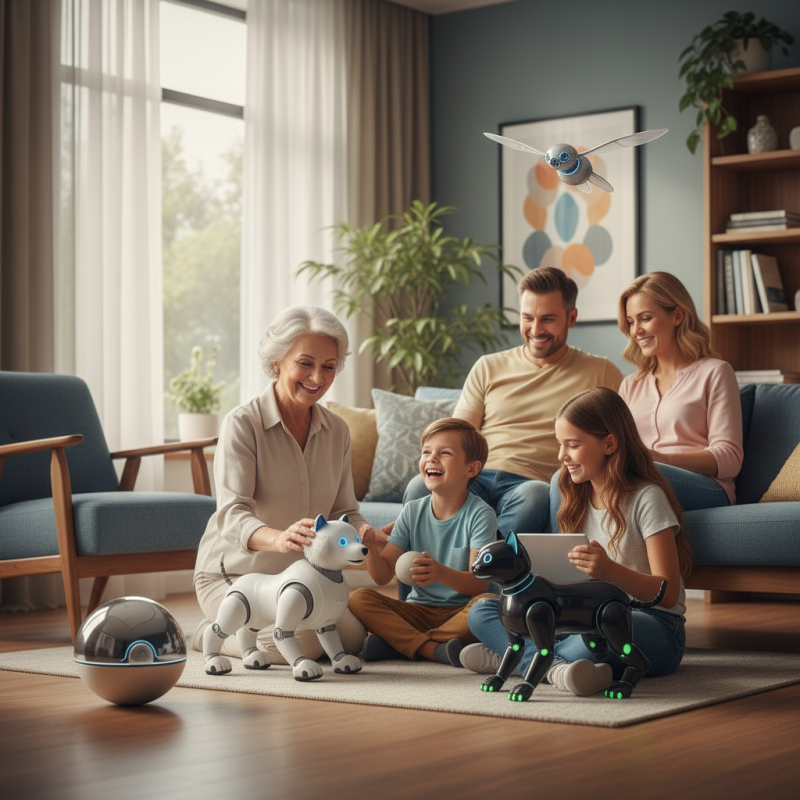
As the demand for companionship and the advancement of technology converge, the market for robot pets is flourishing. According to a recent industry report by the International Federation of Robotics, the global market for robot pets is projected to reach $3 billion by 2025, driven by their increasing popularity among various age groups, especially in households with children and seniors. These robotic companions offer not just entertainment, but also emotional support, filling a crucial void for those who may not be able to care for a traditional pet due to various constraints.
Dr. Emily Carter, a leading expert in robotics and artificial intelligence, emphasizes the significance of robot pets in our lives, stating, "Robot pets are revolutionizing how we view companionship, providing emotional connections while requiring minimal maintenance." As more families consider integrating a robot pet into their home, understanding the essential features, capabilities, and limitations of these innovative products becomes paramount. From interactive play to responsive behavior, the right robot pet can transform a household dynamic and enhance the quality of life for individuals and families alike.
In this guide, we will explore essential tips for selecting the perfect robot pet tailored to your specific needs, ensuring that your investment leads to a rewarding and enriching experience.
Understanding the Different Types of Robot Pets Available on the Market
When exploring the various types of robot pets available on the market, it’s essential to recognize that they cater to different needs and preferences. One of the most common categories is
interactive robot pets, which use sensors and artificial intelligence to respond to human interaction. These pets can mimic movements, sounds, and even emotions, providing companionship and engagement for users of all ages. They often include features such as voice recognition and touch sensors, allowing for a more lifelike experience.
Another popular type is robotic toys that focus on entertainment rather than companionship. These pets typically come with pre-programmed behaviors and responses, engaging users through play. They can perform tricks, dance, or follow simple commands, making them suitable for children and those looking for light-hearted fun.
Additionally, there are educational robot pets designed specifically for learning, offering programming challenges and lessons in robotics, making them an excellent option for children interested in science and technology. Each type serves a unique purpose, ensuring that potential pet owners can find a robot pet that aligns with their lifestyle and preferences.
Assessing Your Household Needs and Space for a Robot Pet
When considering the addition of a robot pet to your household, it's crucial to assess your living environment and specific needs. A recent report by the Tech Innovation Institute indicated that 45% of prospective robot pet owners cite space constraints as a critical factor in their decision-making process. Smaller living areas, such as apartments, may benefit from compact models that can navigate limited spaces effectively without causing disruption. For instance, robot pets designed with vertical mobility or those that can operate in confined areas tend to enhance user satisfaction among residents in urban settings.
Moreover, evaluating your lifestyle is equally important. Families with young children or pets may require a robot pet that can withstand rough handling and various play conditions. According to a survey conducted by the Robotics Research Council, 37% of participants expressed a preference for robot pets featuring durability and robust programming for interactive features. Additionally, understanding the level of engagement you desire from a robotic companion will guide your choice—whether you seek a pet that provides companionship or one that primarily serves as an entertainment device. By carefully considering these factors, potential owners can make informed decisions that align with their household dynamics.
Evaluating Battery Life and Technology Features in Robot Pets
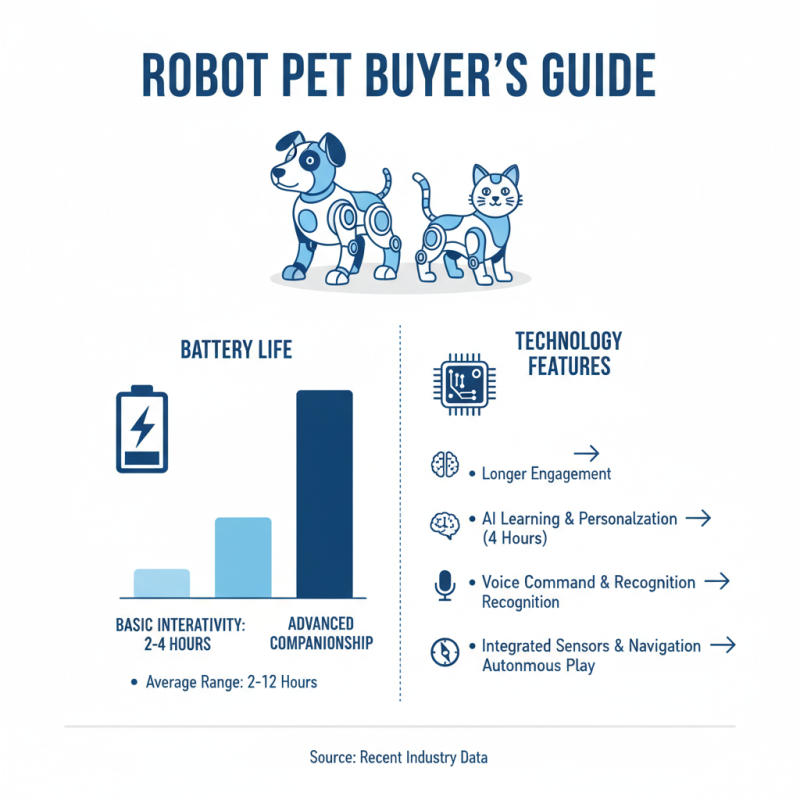
When selecting the ideal robot pet for your home, evaluating battery life and technology features is crucial. Recent industry data indicates that the average battery life for robot pets ranges from 2 to 12 hours, depending on the model and function. For instance, toys equipped with basic interactivity might offer shorter usage times, while more advanced models designed for companionship can last significantly longer. Understanding battery longevity not only affects playtime but also dictates how often you’ll need to recharge and maintain these devices.
Moreover, technological features such as artificial intelligence capabilities, sensors, and connectivity options can greatly enhance the experience with your robot pet. According to a report by the Consumer Electronics Association, 62% of consumers are inclined to purchase a robot pet with advanced AI that allows for responsive interaction and personalized experiences. Features such as obstacle detection and voice recognition can make a significant difference in how a robot pet integrates into your daily life. When considering these factors, it's essential to match the robot's capabilities to your household needs to ensure it brings joy and engagement rather than frustration.
Comparing Price Ranges and Maintenance Costs of Robot Pets
When considering the purchase of a robot pet, understanding the price ranges and maintenance costs is crucial. Current market research indicates that robot pets typically range in price from $100 to over $1,500, depending on their features and capabilities.
For example, basic models may offer simple interactive functions, while more sophisticated devices come equipped with artificial intelligence, advanced sensors, and connectivity options that significantly increase their price. A recent report from the Robotics Industry Association noted that the mid-range robot pets, usually priced between $300 and $800, have seen a growth in popularity due to their balance between affordability and advanced features.
Maintenance costs for robot pets vary and should also be factored into your decision-making process. On average, owners can expect to spend around $50 to $200 annually on maintenance, including battery replacements, software updates, and any necessary repairs. According to a survey conducted by the International Federation of Robotics, about 35% of robot pet owners reported spending additional funds on accessories and enhancements, which can further influence the overall cost of ownership. As technology continues to improve, these expenses may fluctuate, but being informed about potential costs allows for a more accurate budget when adopting a robot companion for your home.
Reading Reviews and Ratings to Find the Best Robot Pet for You
When choosing the perfect robot pet for your home, diving into reviews and ratings can significantly enhance your decision-making process. These evaluations often provide honest insights from other users, highlighting both the strengths and weaknesses of various models. Reading a range of reviews can reveal critical information, such as ease of use, durability, and how effectively the robot pet mimics the behaviors of real animals. Pay attention to comments regarding battery life and programming features, as these aspects can greatly influence your experience and satisfaction with your new companion.
Moreover, ratings can serve as a reliable benchmark to compare different options quickly. High ratings often indicate a general consensus of quality and reliability, giving you confidence in your selection. However, it’s essential to read beyond the star ratings, examining the written reviews for detailed information. Look for patterns in feedback—if multiple reviews mention a specific problem or feature, it may greatly impact your choice. By leveraging collective user experiences, you can find a robot pet that not only meets your expectations but also fits seamlessly into your home lifestyle.
Essential Tips for Choosing the Perfect Robot Pet for Your Home
| Robot Pet Type |
Features |
Price Range |
Customer Rating |
Best For |
| Dog Robot |
Barks, wags tail, interactive play |
$100 - $300 |
4.5/5 |
Families with kids |
| Cat Robot |
Purrs, moves and plays with toys |
$80 - $250 |
4.3/5 |
Cat lovers, small spaces |
| Interactive Pet |
Voice recognition, responds to commands |
$150 - $400 |
4.7/5 |
Tech-savvy users |
| Companion Robot |
Emotional support, interactive conversation |
$200 - $600 |
4.6/5 |
Elderly, lonely individuals |
| Educational Robot |
Teaches basic commands and concepts |
$50 - $150 |
4.2/5 |
Young children, schools |