Effective Tips for Choosing the Right Electric Transfer Cart?
When selecting the right Electric Transfer Cart, understanding the nuances of the industry is crucial. John Doe, a leading expert in material handling solutions, notes, "Choosing the right cart can make or break your workflow efficiency." His insight emphasizes the importance of careful consideration when investing in this equipment.
Electric Transfer Carts are essential for enhancing productivity in various environments. Businesses rely on them for transporting heavy loads safely and efficiently. These carts can drastically reduce manual labor, but the right choice depends on specific needs. Factors such as load capacity, battery life, and terrain compatibility should be evaluated.
Yet, many buyers overlook crucial details, leading to costly mistakes. Some may focus solely on price. However, a cheap option might lack durability or features that ensure safety. It's essential to weigh the pros and cons, considering both immediate and long-term benefits. The journey to find the ideal Electric Transfer Cart should never be rushed; thoughtful reflection is key.
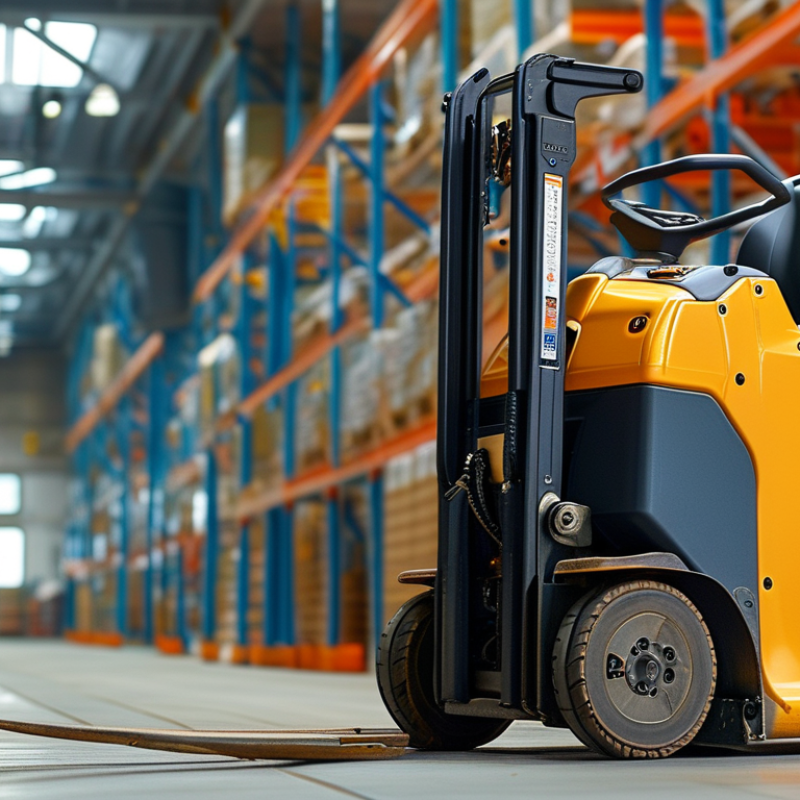
Understanding the Different Types of Electric Transfer Carts Available
When choosing an electric transfer cart, understanding the different types available is crucial. Electric transfer carts can be divided into several categories, including battery-powered and plug-in types. According to industry reports, battery-powered carts are gaining popularity due to their portability and operational flexibility.
Battery-powered electric transfer carts typically have a limited run time. Many models allow for quick charging, but the total operational hours can vary between 4 to 10 hours per charge. This limitation may affect operations in large facilities, leading to potential downtime. It’s essential to evaluate the capacity required for your specific tasks.
Plug-in carts offer consistent power without the worry of battery depletion. However, their mobility can be restricted by the availability of outlets. Heavy-duty models can support loads from 1 to 50 tons, making them suitable for various industrial applications. Both types have unique advantages and disadvantages. Weighing these factors carefully will lead to a more informed decision tailored to your operational needs.
Key Specifications to Consider When Selecting Electric Transfer Carts
When selecting electric transfer carts, it's crucial to consider key specifications that suit your needs. Load capacity is one of the first aspects to evaluate. Each cart has a maximum weight it can safely handle. Ensure you account for the load you plan to transport. Overloading can lead to damage or safety hazards.
Another important factor is battery life. A cart with a longer battery lifespan can operate longer between charges. This feature is essential for efficiency, especially in busy environments. Look for models with quick charging times to minimize downtime.
Choose a cart that offers maneuverability. A design that allows for tight turns can increase productivity in narrow spaces. Consider the wheel type as well. Solid rubber wheels provide stability on uneven surfaces, while polyurethane wheels are quieter and easier to roll. A detailed examination of these specifications will lead to a more informed choice.
Analyzing Load Capacity Requirements for Optimal Performance
When selecting an electric transfer cart, determining the load capacity is critical. Industry reports indicate that over 50% of operational issues arise from inadequate load assessments. Understanding your specific load requirements can enhance equipment longevity. Regularly reevaluating these requirements will ensure continued optimal performance.
Evaluate the weight of materials to be transported. Consider both maximum load and average load scenarios. If the cart is regularly overloaded, efficiency drops. Transporting heavy loads increases wear on components. A report from the National Institute of Standards and Technology outlines that proper load management can extend machinery lifespan by 30%.
It's beneficial to look into how weight distribution affects performance. Uneven loads can lead to stability issues. Look for transfer carts designed to handle varying weight distributions. This adaptability can reduce downtime. Monitoring load limits while maintaining operational efficiency should be a priority.
Effective Tips for Choosing the Right Electric Transfer Cart
| Load Capacity (Tons) | Recommended Cart Type | Battery Type | Operating Time (Hours) | Charging Time (Hours) |
| 1 | Light Duty Cart | Lead Acid | 4 | 6 |
| 2 | Medium Duty Cart | Lithium-ion | 6 | 4 |
| 5 | Heavy Duty Cart | Lead Acid | 5 | 8 |
| 10 | Extra Heavy Duty Cart | Lithium-ion | 8 | 5 |
Evaluating Safety Features in Electric Transfer Carts for Workplace Use
When selecting an electric transfer cart, evaluating safety features is paramount, especially in workplace settings. Safety should always come first. Look for features such as robust braking systems and anti-collision mechanisms. These elements help prevent accidents during operation. Visibility is another key aspect. Ensure that the cart has lights and reflective markings. This is crucial in busy environments. It makes the cart more noticeable to employees.
Consider the weight capacity of the cart. Overloading can lead to dangerous situations. Manufacturing standards should also be observed. Adhering to safety regulations ensures that the cart meets industry requirements. Some carts come with ergonomic designs, which can help minimize strain during loading and unloading tasks. This feature can protect workers from potential injuries.
Reliability is an essential aspect to reflect on. A cart may have advanced features but question its durability. Look for reviews or testimonies regarding long-term use. Inspecting the materials used in construction can also provide insights. If a cart is made from subpar materials, it may not perform efficiently. Remember, safety in the workplace begins with choosing the right equipment.
Cost-Benefit Analysis: Investing in Electric Transfer Carts for Efficiency
When considering the cost-benefit analysis of electric transfer carts, it’s essential to weigh investment versus efficiency. Electric transfer carts support loading and moving heavy items. They enhance productivity in warehouses and manufacturing settings. Increasing efficiency often leads to faster turnaround times, which can positively impact profitability. Investing in these carts can reduce labor costs significantly over time.
However, the initial investment can be high. Businesses must evaluate their specific needs and the frequency of use. It's important to think about maintenance costs, battery life, and durability. A cheaper model may save money upfront but could incur higher repair costs later. Always consider the long-term implications.
Efficiency is not just about speed; it’s also about reliability. Sometimes, carts fail to meet expectations. Users may experience delays or safety issues. Reviewing performance data from previous purchases can help guide the decision. Investing in electric transfer carts is a step forward, yet requires careful thought and planning to maximize the benefits.