Why Use Solenoid Valves in Irrigation Systems for Efficient Watering?
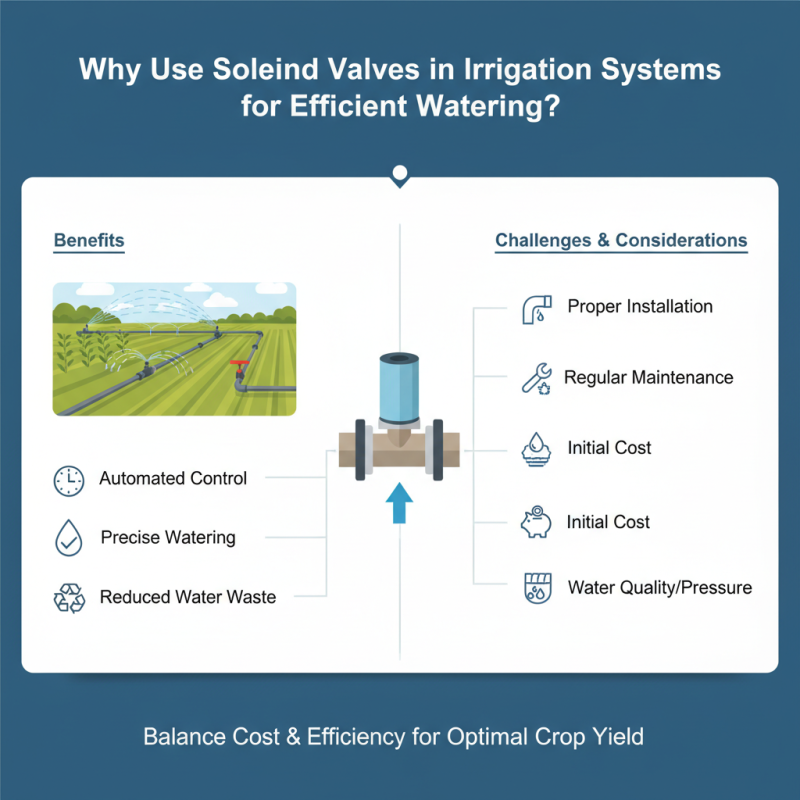
In the quest for efficient watering in agriculture, the role of the Solenoid Valve In Irrigation Systems cannot be overstated. These valves are electrically operated, making them convenient for automated irrigation setups. Their ability to open and close quickly ensures water is delivered precisely when needed, minimizing waste. Farmers often notice a significant decline in water usage when incorporating solenoid valves.
However, it is crucial to observe the installation and maintenance of these valves. Poorly installed solenoid valves can lead to leaks and inefficient operation. Regular checks are essential to maintain effectiveness. Additionally, high-quality solenoid valves might come at a higher price, posing budgetary concerns for small-scale farmers. Finding a balance between cost and efficiency often requires careful consideration.
Furthermore, the effectiveness of solenoid valves in irrigation systems may depend on external factors such as water quality and pressure. These elements can affect valve performance and, ultimately, crop yield. Investors in irrigation technology should remain keenly aware of these aspects. By understanding the benefits and potential challenges, farmers can better utilize solenoid valves in their irrigation systems.
Understanding Solenoid Valves and Their Function in Irrigation Systems
Solenoid valves play a crucial role in modern irrigation systems. These devices act as electronic switches that control water flow. When activated, they open or close pathways to facilitate watering. This automation reduces manual effort and allows for precise control over irrigation schedules.
According to industry reports, irrigation systems equipped with solenoid valves can improve water efficiency by up to 30%. This is significant considering that agriculture accounts for around 70% of global freshwater use. Solenoid valves ensure that crops receive optimal moisture levels. They can also minimize water wastage, crucial in regions facing water scarcity. Many systems still rely on outdated methods, leading to inefficiencies.
While solenoid valves provide many benefits, they also present challenges. They require regular maintenance to function effectively. In some cases, they can malfunction, leading to costly repair delays. Understanding these devices and their proper use is vital for successful irrigation management. Investing in good quality components and training can mitigate these issues significantly.
Why Use Solenoid Valves in Irrigation Systems for Efficient Watering?
| Feature | Description | Benefits |
| Automation | Solenoid valves allow for automatic control of water flow. | Saves time and ensures consistent watering levels. |
| Precision | Provides precise control over the amount of water delivered. | Minimizes water wastage and optimizes plant growth. |
| Durability | Typically robust and designed to withstand outdoor conditions. | Reduces maintenance costs and enhances system reliability. |
| Integration | Easily integrates into existing irrigation systems. | Allows for system upgrades without complete overhauls. |
| Energy Efficiency | Low power consumption while operating. | Lowers utility bills and promotes sustainable practices. |
Benefits of Using Solenoid Valves for Efficient Water Management
Solenoid valves play a crucial role in irrigation systems. They enhance water management efficiency, which is vital for sustainable agriculture. According to the Irrigation Association, well-designed irrigation systems can reduce water usage by up to 30%. Solenoid valves offer precise control over water flow, allowing for timely watering. This prevents over-irrigation and helps conserve resources.
Using solenoid valves can lead to significant cost savings. A report from the American Society of Agricultural and Biological Engineers states that effective irrigation management can save farmers up to 25% on water bills. By automating watering schedules, these valves obviate the need for manual labor. This automation also minimizes human error, which can lead to water wastage.
Tip: Regularly monitor your irrigation system to ensure solenoid valves function correctly. A small malfunction can cause big problems. Verify that the valves are opening and closing as intended, especially during peak usage times.
Many growers underestimate the importance of proper valve maintenance. Neglected valves can lead to leaks or system failures. It's essential to incorporate routine inspections into maintenance plans to ensure efficiency. Remember, even small leaks can waste gallons of water daily, leading to unnecessary expenses.
Key Features of Solenoid Valves That Enhance Irrigation Efficiency
Solenoid valves are increasingly popular in irrigation systems. They offer precision and control, essential for efficient watering. One key feature is remote operation. This allows users to manage water flow from a distance. Imagine watering your garden while relaxing indoors. It saves time and ensures optimal moisture levels.
Another important aspect is the quick response time. Solenoid valves open and close rapidly, providing accurate irrigation schedules. This responsiveness minimizes water wastage. Think about the difference: a garden where every drop counts. However, there can be challenges. System malfunctions or power failures can disrupt irrigation. Regular maintenance is crucial to ensure consistent performance.
The durability of these valves is also noteworthy. Built to withstand harsh weather, they last longer than many alternatives. Yet, they require proper installation to function effectively. A poorly installed valve can lead to leaks. Observing the impact of solenoid valves helps users understand their value. Efficient watering is not just about technology; it’s about thoughtful management.
Applications of Solenoid Valves in Various Irrigation Techniques
Solenoid valves play a crucial role in modern irrigation systems. They offer precise control over water flow in various irrigation techniques. For instance, in drip irrigation, solenoid valves can automate watering schedules. This ensures that plants receive the right amount of water. The ability to control multiple zones efficiently is a significant advantage.
In sprinklers, solenoid valves contribute to uniform distribution. This means no part of the lawn remains dry or saturated. However, occasional misalignment can occur. This might lead to water wastage or uneven growth. In flood irrigation systems, solenoid valves help regulate water levels in channels. They create a more controlled environment for crops.
Despite these benefits, dependency on solenoid valves can cause issues. They may fail due to electrical problems or wear and tear. Regular maintenance is essential to avoid disruptions. In some cases, farmers may need to manually override the system. This need for human intervention highlights the importance of a backup plan in irrigation systems.
Maintenance and Troubleshooting of Solenoid Valves in Irrigation Systems
Solenoid valves are crucial in irrigation systems. They control water flow efficiently. However, they can face issues over time. Routine maintenance is essential to keep them in optimal condition. Checking connections and wear regularly helps. It’s also important to listen for unusual sounds during operation. A noisy valve might signal a problem.
Troubleshooting these valves requires careful attention. Sometimes, water may not flow as expected. This could be due to power supply issues or blockages. Cleaning the valve and inspecting the wiring can solve many problems. In cases of persistent issues, consulting a professional is advisable. Keeping spare parts on hand can minimize downtime.
Valves might also get stuck due to dirt buildup. This can result in inconsistent watering. A simple flush can often resolve this issue. Regularly exercising the valve can prevent it from seizing. Reflection on these potential faults helps in improving system reliability. Proper care goes a long way in ensuring efficiency.