Smart Hotel Tips for Enhancing Guest Experience Today?
The hospitality industry is rapidly evolving, and Smart Hotels are at the forefront of this change. These innovative accommodations leverage technology to enhance guest experiences, making stays more enjoyable and efficient. Guests can benefit from personalized services, seamless navigation, and instant communication options, all designed to meet their specific needs.
However, not every hotel has fully embraced these advancements. Some struggle with implementing smart features effectively. Issues such as technology glitches or inadequate staff training can lead to guest dissatisfaction. Therefore, understanding what truly enhances guest experiences is crucial for hotels aiming to thrive in this competitive landscape.
Smart Hotels must continually reflect on their offerings. Listening to guest feedback and staying updated on technological trends is essential. By doing so, they can create truly memorable experiences for all visitors.
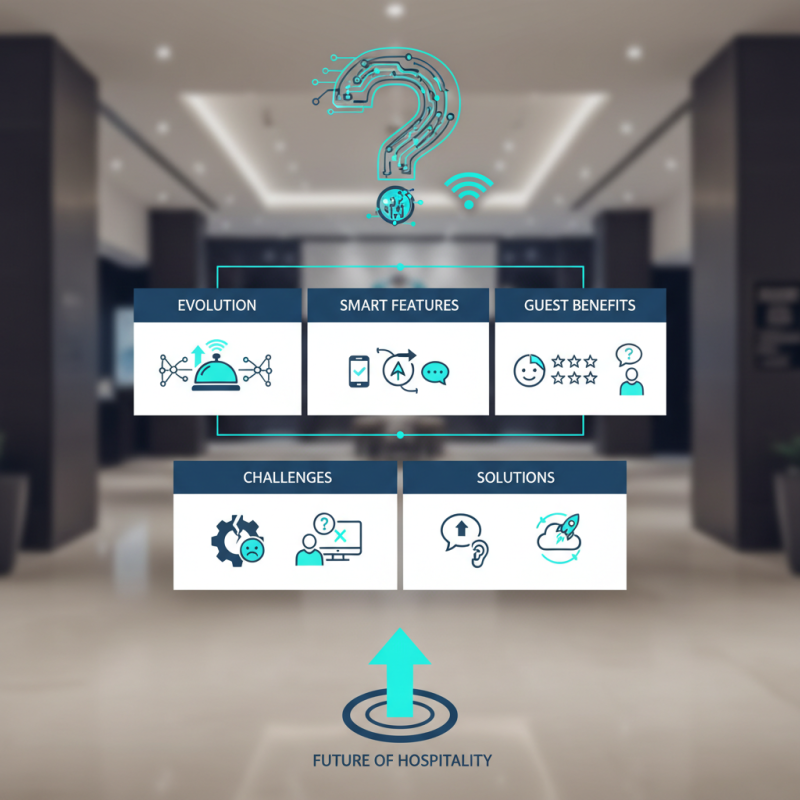
Understanding the Concept of Smart Hotels and their Benefits
Smart hotels are revolutionizing the hospitality industry. They leverage technology to improve guest experiences in meaningful ways. From mobile check-ins to smart room controls, these innovations create a seamless stay. Guests can adjust room temperature, lighting, and entertainment systems via smartphones. This level of customization makes them feel more at home.
Understanding the benefits is crucial. Smart hotels can enhance efficiency in operations. Automated systems reduce waiting times and streamline services. Guests enjoy the convenience, while hotel staff can focus on personalized attention. However, not all technology is perfect. Technical glitches may occur, leaving guests frustrated. It’s important for hotels to regularly update their systems.
An ideal smart hotel encourages guest feedback. Engaging with customers can reveal insights into technology's effectiveness. Some guests may prefer traditional check-in methods. Balancing modern conveniences with personal touches ensures satisfaction. The goal is to create an inviting atmosphere where technology complements, rather than overwhelms.
Smart Hotel Tips for Enhancing Guest Experience Today | Feature | Description | Benefits |
| Mobile Check-In | Allow guests to check in via their smartphones. | Reduces wait times and enhances convenience. |
| Room Automation | Smart controls for lighting, temperature, and entertainment. | Increases comfort and personalization for guests. |
| Virtual Concierge | AI chatbot to assist guests with requests and information. | Available 24/7, improving service efficiency. |
| Personalized Recommendations | Suggestions for activities based on guest preferences. | Enhances guest engagement and satisfaction. |
| Online Feedback System | Digital platform for guests to provide feedback in real-time. | Allows for immediate improvements and response to concerns. |
Key Technologies for Enhancing Guest Experience in Smart Hotels
Smart hotels are transforming guest experiences through innovative technologies. Voice-activated assistants are one of the key features. Guests can control room settings using simple commands. This feature enhances convenience but requires continuous internet connectivity. Some guests find this technology confusing and prefer traditional methods, highlighting a gap in user comfort.
Mobile check-in systems streamline the arrival process. Guests can bypass long lines, enhancing efficiency. However, this system raises concerns about data security. Many guests are wary of sharing personal information. Training staff to address these issues can foster trust. This balance between technology and personalization is crucial for a great guest experience.
Smart room controls add another layer of sophistication. Guests can adjust lighting, temperature, and entertainment with ease. Yet, these systems can malfunction, leading to frustration. Regular maintenance is essential to ensure reliability. Despite the occasional hiccup, integrating these technologies can significantly enrich guest interactions, paving the way for a more dynamic hotel experience.
Personalization Strategies for Tailoring Guest Services in Real-Time
In today's hospitality landscape, personalization has become essential. Smart hotels leverage technology to tailor guest experiences in real-time. This approach fosters a deeper connection between guests and their accommodations. For example, using an app to allow guests to customize their room settings can make a significant difference.
Tips for enhancing guest personalization include collecting data on past stays. Analyzing this information can help predict guest preferences. Maybe they enjoyed a certain type of pillow or requested late check-out. Small gestures like these make guests feel valued.
Another strategy involves real-time communication. Hotels can use messaging platforms to inquire about guests’ needs as soon as they check in. Quick responses to requests ensure high satisfaction levels. Additionally, incorporating local experiences or recommendations can enhance the overall stay. However, not every guest likes to be prompted. Balancing technology and personal touch is vital for success.
Improving Operational Efficiency with Smart Hotel Automation
Smart hotel automation can revolutionize operational efficiency, allowing properties to enhance guest experiences significantly. According to a recent report from the Hospitality Technology, about 60% of hotel guests prefer automated check-in processes. This preference aligns with the current trend towards contactless solutions, providing convenience and speed. Integrating smart systems can streamline operations. For instance, automated room assignments and scheduling optimize staff workflow, ensuring timely service delivery.
Additionally, utilizing smart energy management systems can reduce operational costs. The Green Lodging News states that hotels can save up to 30% on energy bills by implementing automated controls. These systems monitor usage and adjust settings in real-time, addressing energy waste effectively. However, the transition to smart automation requires careful planning. A significant number of hospitality professionals express concerns about data security and system reliability. Training staff to navigate these technologies is essential to avoid operational hiccups. With the right strategy, hotels can effectively blend technology with guest service, enhancing satisfaction and loyalty.
Gathering and Utilizing Guest Feedback for Continuous Improvement
Gathering and utilizing guest feedback is vital for smart hotels looking to enhance the guest experience. A recent study by Cornell University found that hotels that actively solicit feedback have a 20% higher guest satisfaction rate. However, many hotels fail to maximize this opportunity. They often receive feedback but do not analyze it effectively to drive improvements.
Using digital tools like surveys and review platforms can help in collecting valuable insights. Surveys should be concise, allowing guests to express their opinions easily. However, it's important to note that 40% of guests say they are less likely to provide feedback if the process is too complicated. This highlights the need for a streamlined approach that invites participation.
Effective analysis of guest feedback can lead to actionable changes. A report from the Hotel Management Association shows that only 30% of hotels respond promptly to guest reviews. This gap presents an opportunity. Establishing a system to address feedback can elevate a hotel's reputation and guest loyalty. Yet, many hotels struggle to implement these systems due to lack of resources and training. Continuous improvement is not just a strategy; it requires commitment and adaptability.