What is the Role of Warehouse Robots in Supply Chain Management?
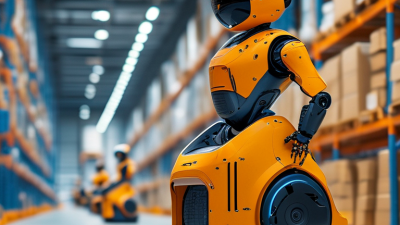
In today's fast-paced economy, the role of warehouse robots is transforming supply chain management. Expert Dr. Emily Chen, a leading voice in automation technology, emphasizes, "Warehouse robots play a crucial role in enhancing efficiency and accuracy." These machines streamline operations, reduce human error, and optimize inventory management.
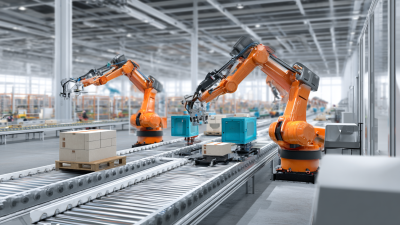
Warehouse robots handle tasks like sorting, packing, and transporting goods. This cuts down on labor costs and speeds up order fulfillment. Many businesses face challenges integrating these technologies. Resistance from workers and high initial costs can slow adoption. However, the potential benefits are substantial. Companies that embrace warehouse robots can increase productivity significantly.
The warehouse robot industry is evolving rapidly. New innovations make robots more versatile and user-friendly. As automated solutions become widespread, the need for skilled workers who can manage these systems grows. Despite the benefits, the transition to a fully automated warehouse poses questions about job displacement and training. Balancing innovation with workforce needs is crucial for sustainable growth.
Overview of Warehouse Robots in Supply Chain Management
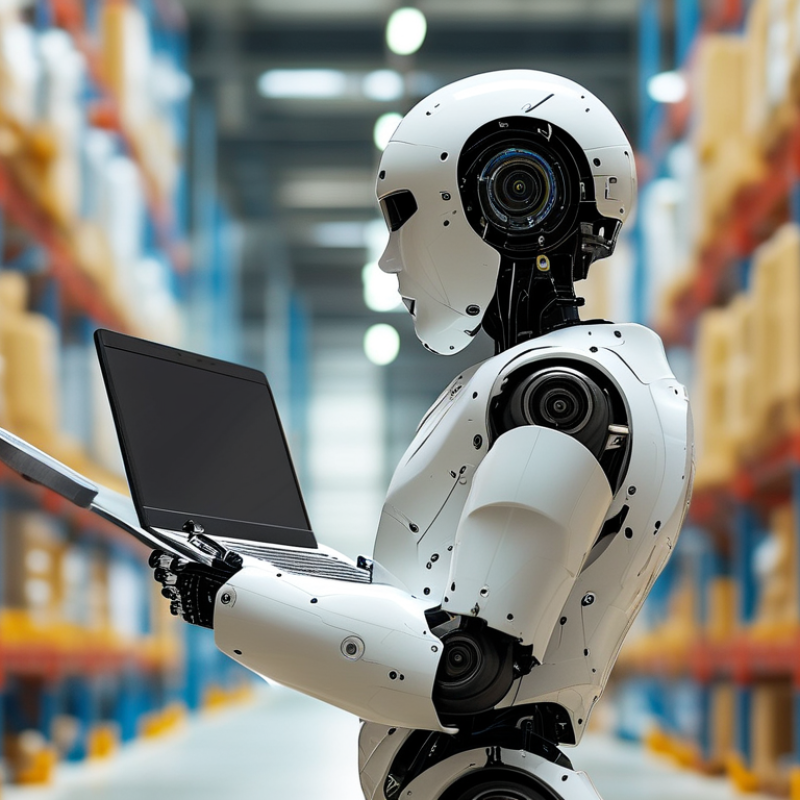
Warehouse robots play a transformative role in supply chain management. These machines can enhance efficiency and reduce operational costs. They automate tasks like picking, packing, and sorting items. This leaves human workers free for more complex jobs. However, the integration of robots is not without challenges. Organizations must train staff to work alongside these technologies, which can create initial friction.
The technology behind warehouse robots is diverse. Some utilize advanced sensors and AI algorithms for navigation. Others depend on simple conveyor systems. These varying technologies lead to differing levels of reliability. Issues may arise during peak seasons when demand spikes. A robot that works flawlessly during normal operations might struggle under stress.
Data collection is another critical aspect. Robots can gather actionable insights about inventory flow. However, this data must be analyzed effectively to drive better decisions. Organizations sometimes overlook this. Without proper analysis, the potential benefits can diminish. It’s essential to address these concerns for successful robot integration.
Types of Warehouse Robots and Their Functions
Warehouse robots have become essential in modern supply chain management. They enhance efficiency and reduce costs in various ways. Different types of warehouse robots serve distinct functions tailored to specific operational needs.
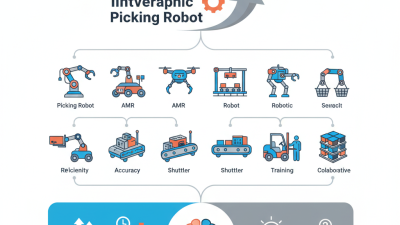
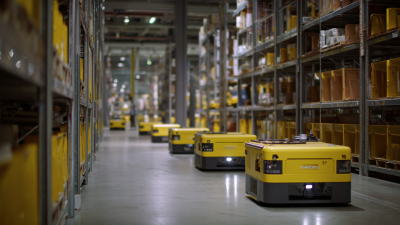
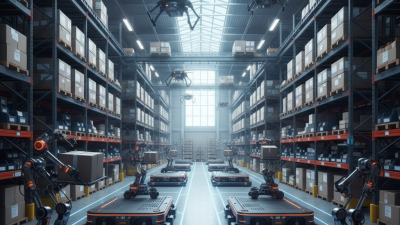
Automated guided vehicles (AGVs) transport goods between locations. They follow predefined paths and can handle heavy loads. Another type, mobile robotic arms, assists in picking items from shelves. These robots work alongside humans, increasing productivity and accuracy in order fulfillment.
Sorting robots automate the sorting process, reducing human error and speeding up operations. They can quickly categorize items based on size and weight. Collaborative robots, or cobots, interact safely with human workers. Their design fosters a seamless workflow, allowing teams to work more effectively.
Tips for integrating warehouse robots include assessing your current workflow. Identify tasks that can be automated for maximum impact. Regular maintenance of robots ensures optimal performance. Don't overlook the importance of training staff to work alongside these technologies. Embracing robotics can reshape your supply chain for the better.
Benefits of Integrating Robots in Warehousing Operations
Integrating robots into warehousing operations can significantly enhance efficiency and accuracy. These robots streamline various tasks, such as picking, sorting, and inventory management. By automating repetitive functions, businesses can reduce human error. This leads to improved accuracy in order fulfillment. The speed at which robots operate is impressive. They can navigate complex environments and work around the clock, ensuring timely deliveries.
However, the implementation of robots is not without challenges. Organizations must consider initial investment costs and training needs for existing staff. There can be resistance from employees worried about job security. Effective communication about the role of robots is essential. They are meant to assist, not replace human workers. A hybrid approach often yields the best results, combining human oversight with robotic precision.
The adaptability of robots is another notable benefit. They can be programmed for various tasks, ensuring flexibility within operations. As businesses grow and change, having technology that can evolve with them is critical. Reliable data analytics from robotic systems can also offer insights into warehouse performance. Monitoring patterns and optimizing workflows can lead to substantial long-term benefits. Still, companies need to evaluate the effectiveness of their robotic solutions regularly.
Impact of Warehouse Robots on Supply Chain Efficiency
Challenges and Limitations of Warehouse Robotics
Warehouse robots are increasingly integrated into supply chain management. However, their implementation comes with various challenges. One significant limitation is the initial investment cost. Many companies hesitate to allocate substantial resources for robotic systems. This can delay adoption, hindering potential efficiency gains.
Another challenge faced by warehouse robotics is the need for constant maintenance. Robots require regular updates and servicing to function optimally. Downtime can disrupt workflows and lead to increased labor costs. Training staff to manage and maintain these systems adds another layer of complexity. All these factors can become a barrier for organizations looking to upgrade their operations.
Moreover, integration with existing systems poses a challenge. Not all warehouses have the infrastructure needed for smooth robotic operation. Legacy systems may not communicate effectively with new technologies. This discrepancy can lead to inefficiencies. Solutions require careful planning and an understanding of both old and new systems. Balancing automation with human labor also raises concerns about workforce displacement. These issues must be addressed for warehouse robots to reach their full potential in supply chain management.
Future Trends in Warehouse Robotics and Supply Chain Efficiency
Warehouse robots are transforming supply chain management. Their role extends beyond mere automation; they enhance efficiency and accuracy. With increasing demands for faster delivery and higher quality service, businesses are investing in robotics as a strategic solution. Automated systems assist in sorting, picking, and packing, minimizing human error. This technology allows for real-time inventory management, ensuring that stock levels are always optimized.
Future trends suggest a growing integration of artificial intelligence in warehouse robotics. These robots will not only perform tasks but also analyze data to predict trends and adjust operations accordingly. As companies move towards more sustainable practices, robots can aid in reducing waste and energy consumption. However, the transition comes with challenges. Many industries still struggle with the initial investment costs and the need for skilled workers to operate these systems. As technology evolves, continuous training and adaptation will be essential.
While warehouse robots promise efficiency, there are considerations to reflect on. The reliance on technology may lead to job displacement for some. Balancing human labor with automation will be crucial for future operations. As the landscape of supply chains shifts, companies must remain flexible and responsive to these changes to fully harness the potential of warehouse robotics.