Why Robotics Engineering is the Future of Innovation and Technology
Robotics engineering stands at the forefront of technological advancement, poised to revolutionize industries across the globe. According to a report by Markets and Markets, the global robotics market is expected to reach $214 billion by 2030, growing at an impressive CAGR of 26.1% from 2025. This growth is fueled by the increasing integration of robotics in manufacturing, healthcare, and logistics, underscoring the crucial role that robotics engineering plays in driving innovation. As businesses strive for greater efficiency and productivity, the demand for sophisticated robotic systems will only intensify.

Furthermore, the World Economic Forum predicts that by 2025, over 85 million jobs may be displaced by automation, yet 97 million new roles may emerge that are more suited to the new division of labor between humans and machines. This shift highlights the necessity of robotics engineering, which will not only enhance operational capabilities but also create opportunities for new skill development and employment. As we delve deeper into the world of robotics, it becomes evident that robotics engineering is not just a field of study; it is the lifeblood of future innovation, setting the stage for a new era of technology that promises to transform both our societies and economies.
The Evolution of Robotics Engineering in Modern Industries
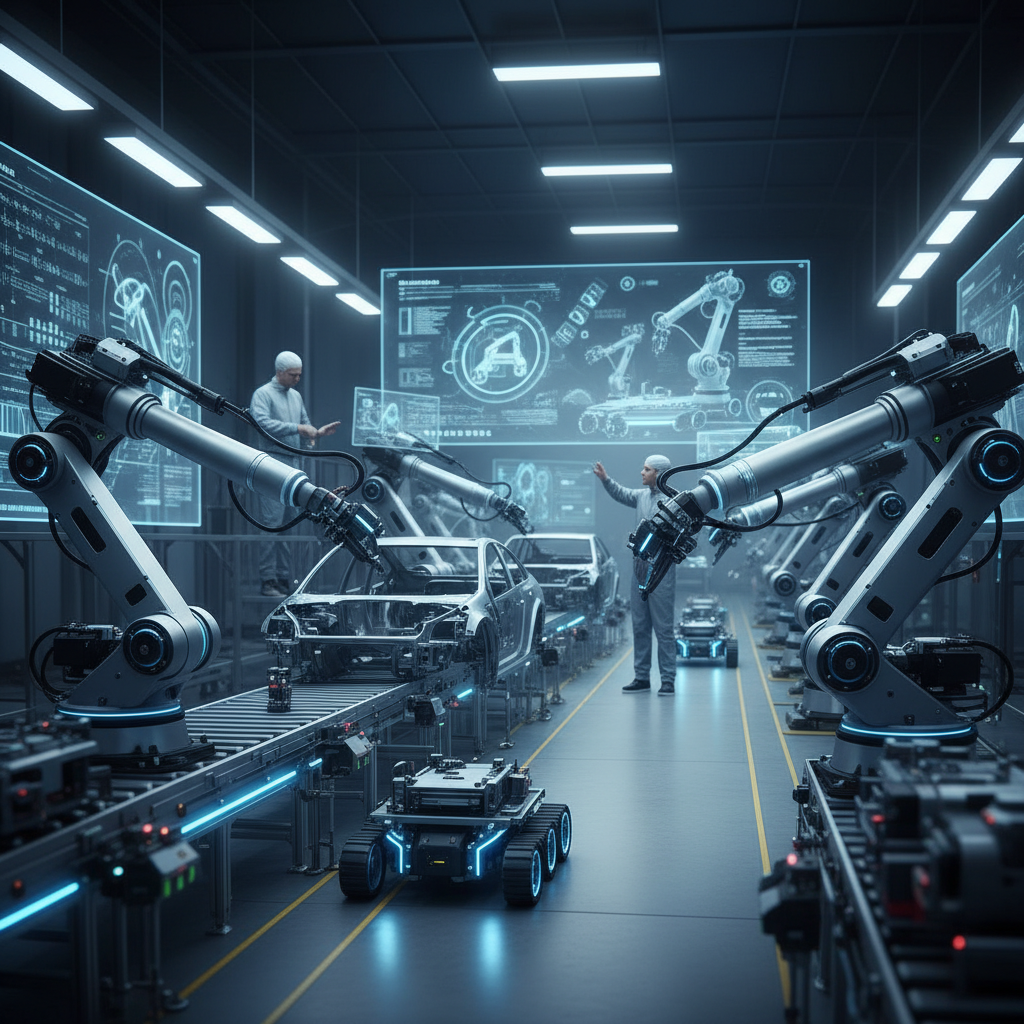
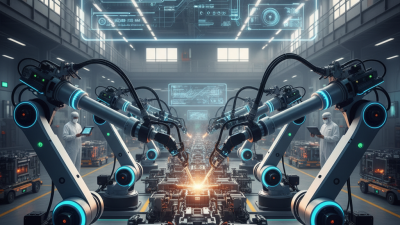
The evolution of robotics engineering has significantly transformed modern industries by enhancing productivity and efficiency. Driven by advancements in artificial intelligence, machine learning, and sensor technology, robots are now capable of performing complex tasks that were once thought to be exclusive to human capabilities. In manufacturing, for example, robotic arms are used for precision assembly, reducing both the time and costs associated with production while minimizing human error. This shift not only streamlines operations but also allows human workers to focus on more strategic and creative tasks.
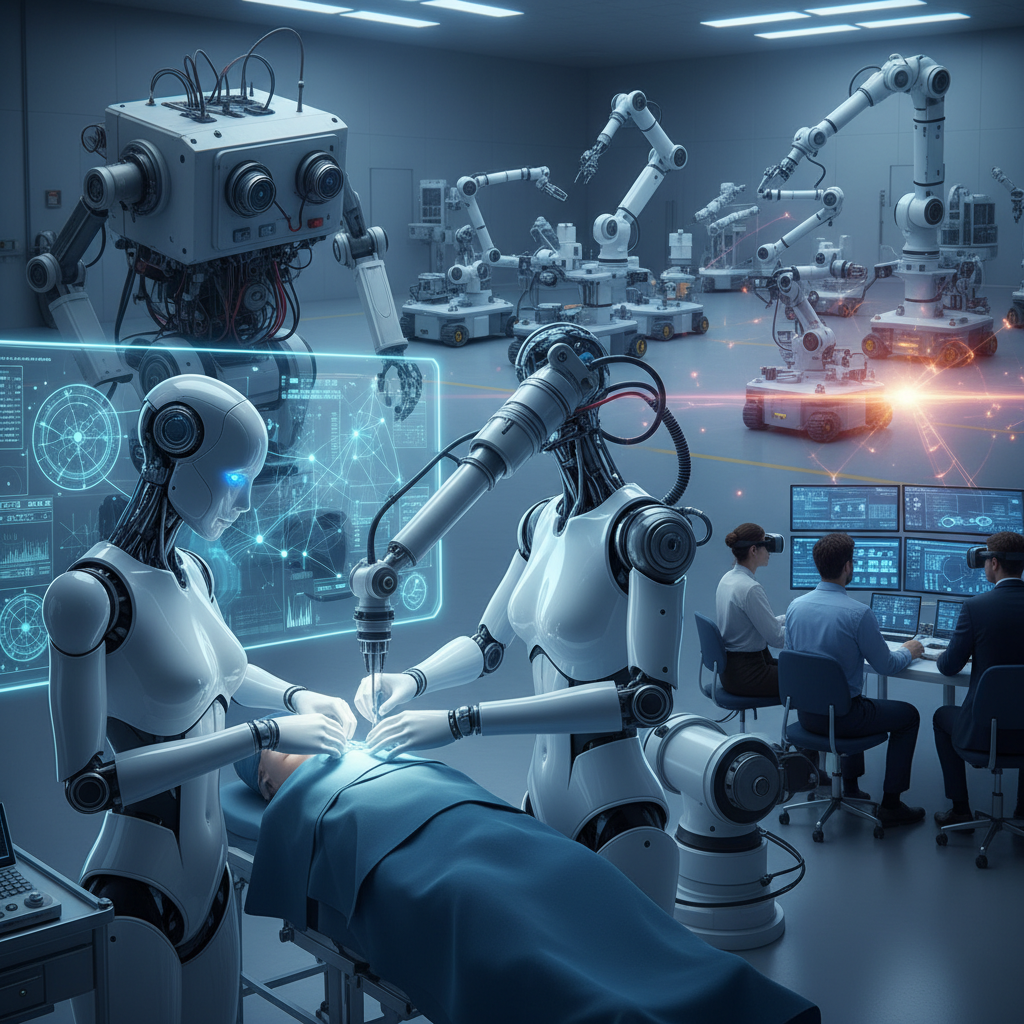
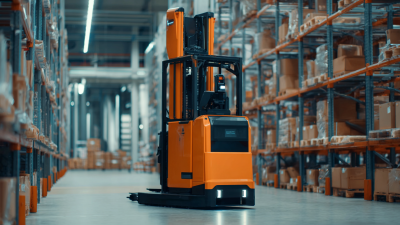
Moreover, robotics engineering has infiltrated various sectors beyond manufacturing, such as healthcare, agriculture, and logistics. In healthcare, robotic systems assist in surgeries and patient care, leading to better outcomes and faster recovery times. In agriculture, automation through robotics has improved crop management and resource efficiency, addressing the challenges of a growing global population. The integration of robots in logistics has revolutionized supply chain management, with autonomous vehicles and drones optimizing delivery processes. As industries continue to evolve, the contributions of robotics engineering will undoubtedly pave the way for innovative solutions that address future challenges.
Key Technologies Driving Robotics Innovation Today
The evolution of robotics engineering is fundamentally reshaping the landscape of innovation and technology. At the heart of this transformation are several key technologies driving robotics innovation today.
Artificial intelligence (AI) is one of the foremost catalysts, enabling robots to learn from their environments, adapt to new tasks, and improve performance over time.
With advancements in machine learning, robots can analyze vast amounts of data, making them more autonomous and effective in executing complex operations in diverse fields, from manufacturing to healthcare.
Another significant technology is sensor fusion, which combines information from multiple sensors to enhance robot perception. This integration allows robots to navigate complex environments, recognize objects, and even interact with humans seamlessly.
Furthermore, advancements in materials science have led to the development of lightweight, flexible, and durable materials that enhance robot mobility and functionality.
Together, these technologies are not only advancing the capabilities of robots but also expanding their applications across various industries, paving the way for a future where robotics plays a crucial role in everyday life.
The Role of AI in Enhancing Robotic Capabilities
The integration of artificial intelligence (AI) in robotics engineering is poised to revolutionize the technological landscape. As the global market for AI robotics grows, predicted to reach $52.3 billion in 2024 and skyrocket to $322.6 billion by 2032, we are witnessing transformative trends that highlight the profound capabilities of intelligent machines. The emergence of collaborative robots signifies a shift towards more interactive and adaptable robotic systems that operate seamlessly in real-world environments.
Recent advancements such as AI-driven chatbots evolving into comprehensive consulting partners exemplify the remarkable progress in AI technology. This evolution not only enhances user experience but also significantly boosts industry competition. The capabilities of generative AI are further accelerating innovation across sectors, particularly in energy and healthcare, where new operational paradigms are being explored. As AI continues to develop, it plays a crucial role in empowering robotic functions, encouraging smarter and more efficient systems that will define the future of innovation and technology.
Why Robotics Engineering is the Future of Innovation and Technology - The Role of AI in Enhancing Robotic Capabilities
| Aspect |
Description |
Impact of AI |
Future Trends |
| Automation |
Use of robotics to automate mundane tasks across industries. |
AI enables smarter automation with adaptive learning. |
Increased demand for AI-integrated robotic systems. |
| Healthcare |
Robots assisting in surgeries and patient rehabilitation. |
AI enhances robotic precision and decision-making. |
Greater personalization of healthcare through robots. |
| Manufacturing |
Robots handling production lines and quality control. |
AI optimizes production efficiency and minimizes waste. |
Shift towards fully automated smart factories. |
| Transportation |
Development of autonomous vehicles and drones. |
AI allows for real-time navigation and obstacle avoidance. |
Expansion of smart transport systems in urban areas. |
| Service Industry |
Robots assisting in customer service and hospitality. |
AI enhances interaction quality and customer engagement. |
Rise of AI companions and service robots in everyday life. |
Future Job Opportunities in Robotics Engineering
The field of robotics engineering is rapidly evolving, creating a wealth of job opportunities for aspiring engineers and tech enthusiasts. As industries increasingly adopt automation to improve efficiency and productivity, the demand for skilled professionals in robotics is on the rise. From manufacturing and healthcare to agriculture and logistics, robotics engineers are essential in designing, developing, and maintaining robotic systems that enhance operational capabilities.
Moreover, advancements in artificial intelligence, machine learning, and sensor technology are broadening the scope of robotics engineering. This expansion opens new career pathways, including roles in programming intelligent robots, developing AI algorithms for autonomous systems, and innovating robotic applications in areas like telemedicine and smart cities. As workplaces seek individuals who can bridge the gap between engineering principles and practical robotic applications, graduates in robotics engineering will find themselves at the forefront of technological innovation, poised for success in a dynamic job market.
Impact of Robotics on Everyday Life and Society
Robotics is revolutionizing everyday life, seamlessly integrating into various aspects of society. From household chores to advanced medical procedures, robots play a pivotal role in making life more efficient. For instance, robotic vacuum cleaners handle mundane cleaning tasks, allowing individuals to devote time to more meaningful activities. In healthcare, robotic-assisted surgeries enhance precision and minimize recovery times, significantly improving patient outcomes. These innovations not only optimize everyday tasks but also demonstrate the profound impact of robotics on personal well-being.
Moreover, the societal implications of robotics are vast, reshaping industries and labor markets. Automation in manufacturing boosts productivity and consistency, reducing human error and operational costs. However, this shift raises concerns regarding job displacement and the necessity for workforce re-skilling. As robotics technology continues to evolve, society must adapt to new roles that emphasize creativity, problem-solving, and human interaction—skills where humans excel. Embracing these changes can lead to a future where robotics and human labor coexist harmoniously, driving innovation and enhancing quality of life.