Why Robotics Engineering is Essential for the Future of Technology?
In today's rapidly evolving technological landscape, robotics engineering plays a crucial role. Dr. Emily Turner, a renowned expert in robotics, once said, “The future lies in the hands of engineers who harness robots effectively.” This statement underscores the significance of robotics engineering in shaping our future.
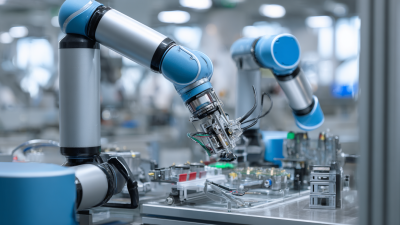
As industries adopt automation, robotics engineering transforms production and efficiency. Factories utilize robotic arms for precision tasks. Additionally, healthcare relies on robotic systems for surgery. Students are encouraged to pursue robotics engineering to meet the growing demand. However, concerns about job displacement linger. Are we ready to face the societal changes from these innovations?
Robotics engineering also faces challenges. Ethical considerations and reliance on technology must be addressed. "How do we ensure robots enhance human life rather than replace it?" This question is vital. Balancing progress and humanity is no easy task. As we advance, it’s essential to reflect on the implications of robotics engineering. Our future depends on it.

The Role of Robotics Engineering in Technological Advancement
Robotics engineering plays a crucial role in driving technological advancement. It integrates mechanical, electrical, and computer engineering. This field is reshaping industries from manufacturing to healthcare. According to the International Federation of Robotics, by 2025, the global market for robotics is expected to exceed $210 billion. This growth is not just numbers; it represents a shift in how we interact with technology daily.
In healthcare, robotics enhances surgical precision. For instance, robotic-assisted surgeries typically reduce recovery time by 20-50%. Surgeons can perform complex operations with minimal invasiveness. However, there's a looming challenge regarding training and safety. Not all professionals are adequately prepared. This gap can lead to mistakes. In manufacturing, automation boosts productivity but raises concerns over job displacement. It is essential to strike a balance between automation and employment.
Moreover, robotics faces ethical questions. The use of robots in surveillance and military applications sparks debate. Society must reflect on these issues. As robotics engineering continues to evolve, we must address these complexities. The path forward is not just about technological prowess; it also requires thoughtful consideration of its impact on our world.
Importance of Robotics Engineering in Technological Advancement
Integrating Robotics into Various Industries for Enhanced Efficiency
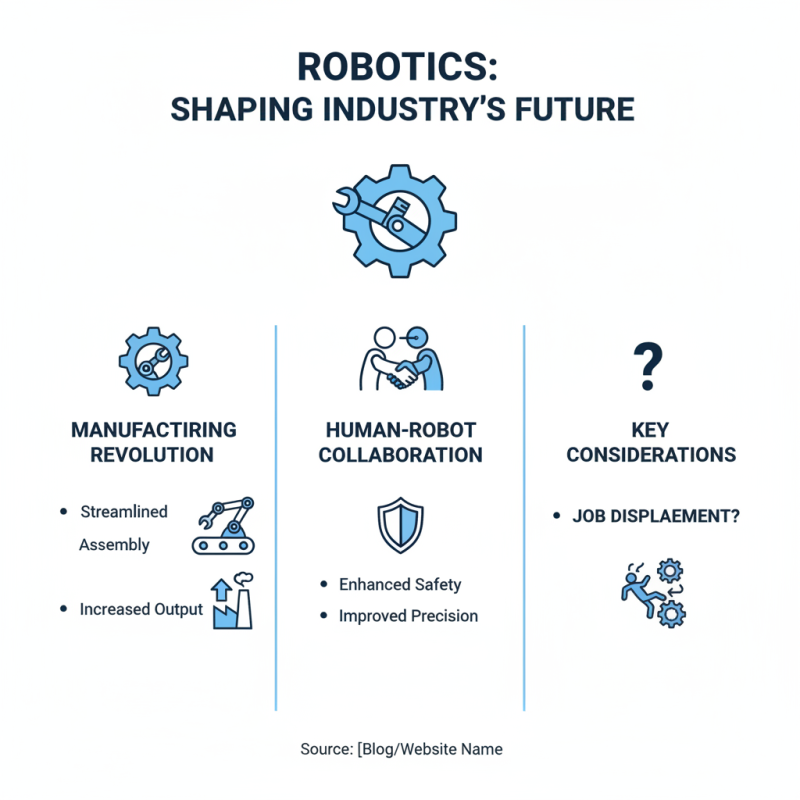
Robotics is changing how industries operate. In manufacturing, robots streamline assembly lines. They handle repetitive tasks swiftly, improving output. Imagine a factory where robots work alongside humans, increasing safety and precision. However, this reliance on automation raises questions about job displacement.
In healthcare, robotics assist surgeries, enhancing precision. Surgical robots allow for minimally invasive procedures. Patients benefit from quicker recovery times and less pain. Yet, we must consider the high costs of these technologies. Are they within reach for all healthcare providers?
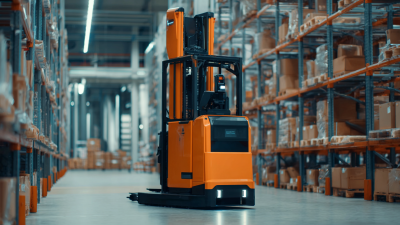
Logistics also experiences a revolution with robotics. Automated systems manage inventory and package deliveries. They operate in warehouses, sorting products efficiently. However, these systems can malfunction, leading to delays. Balancing efficiency and reliability is crucial. As industries adopt more robotics, reflection on ethical implications is essential.
The Impact of Robotics on Job Creation and Workforce Transformation
Robotics is reshaping the job landscape.
Many traditional roles are changing due to automation. Workers must adapt to new technologies and skills. This shift creates opportunities, but some jobs may disappear. Robotics can take over repetitive tasks, allowing humans to focus on creativity. This change is not straightforward. Workers face uncertainty about the future.
New roles are emerging in robotics engineering. Jobs like robot maintenance, programming, and design require specialized skills. Education systems must evolve to meet this demand. However, not all regions are prepared. Some workers may struggle to transition to these new opportunities. There’s a risk of widening the skills gap. Communities must invest in training and development.
The impact of robotics extends beyond employment. It challenges how we view work and productivity. People may rethink their careers and aspirations. Not everyone will keep pace with this change. Society needs to create supportive structures for those left behind. Embracing robotics involves navigating both its benefits and its complexities.
Emerging Technologies Driving the Future of Robotics Engineering
The future of robotics engineering is interconnected with many emerging technologies. Artificial intelligence stands out as a key driver. It allows robots to learn from their environment, improving their efficiency. For instance, AI can enhance a robot's ability to recognize objects. This is vital in fields like healthcare, where precision is critical. A robot that can accurately assist in surgeries can save lives. However, the dependence on AI raises questions about safety and reliability.
Another significant technology is the Internet of Things (IoT). IoT connects devices, enabling them to communicate and share data. Imagine robots that can monitor and adjust smart home systems automatically. This collaboration can lead to more efficient energy use, as well as create comfortable living spaces. Yet, security is a concern. If not properly safeguarded, these systems could be vulnerable to cyberattacks.
Moreover, advances in materials science are enabling lighter, stronger robots. These materials can improve mobility and reduce energy consumption. Consider soft robotics, which uses flexible materials. This innovation allows robots to safely interact with humans. Nonetheless, these technologies also prompt ethical discussions about job displacement. As robots take on more tasks, we must reflect on the impact on the workforce. The intersection of these technologies shapes the future landscape of robotics engineering.
Ethical Considerations and Challenges in Robotics Development
As robotics technology evolves, ethical considerations become paramount.
The rise of autonomous systems raises questions about accountability. Who is responsible when a robot makes a mistake?
In 2022, a report indicated that 65% of AI professionals believe ethical frameworks are vital in robotics development.
Moreover, the deployment of robots in sensitive environments, like healthcare and law enforcement, demands careful scrutiny. For instance, AI-driven medical robots are capable of surgical tasks. However, their decisions can directly impact patient outcomes. Nearly 70% of respondents in a recent survey expressed concern about the lack of transparency in robotic decision-making processes.
Addressing these ethical challenges is crucial. Developers must ensure that robotics systems are not only efficient but also equitable.
Social implications, especially around job displacement, must not be ignored.
According to predictions, automation could displace 20 million manufacturing jobs worldwide by 2030.
This stark reality calls for responsible innovation in robotics that considers both technological advancement and human values.