Top Robotic Process Automation Software to Streamline Your Business Operations
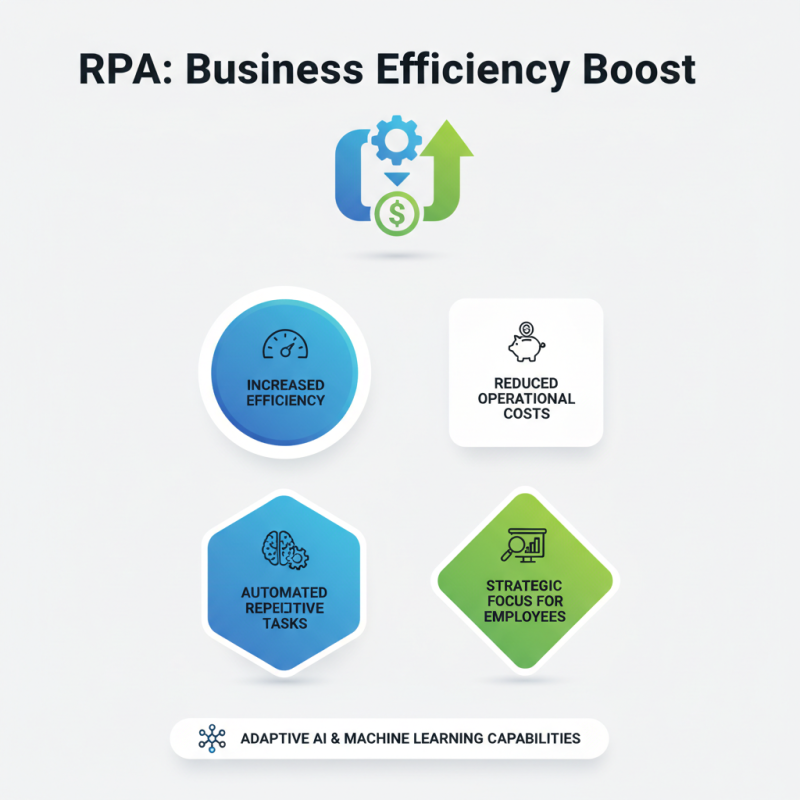
In today's rapidly evolving business landscape, companies are under constant pressure to enhance efficiency and reduce operational costs. One of the key strategies employed by forward-thinking organizations is the implementation of robotic process automation software. This technology enables businesses to automate repetitive tasks, streamline workflows, and minimize the risk of human error, allowing teams to focus on higher-value activities that drive growth and innovation.
As industries continue to embrace digital transformation, the demand for effective robotic process automation software has grown significantly. By leveraging this powerful tool, organizations can optimize their operations, improve productivity, and deliver superior customer experiences. The right software not only simplifies day-to-day tasks but also provides valuable insights through data analysis, helping businesses make informed decisions.
In the following sections, we will explore the top robotic process automation software solutions available in the market, highlighting their key features and benefits. By understanding what each solution offers, businesses can make educated choices that align with their operational goals and pave the way for a more automated and efficient future.

Overview of Robotic Process Automation (RPA) Technology
Robotic Process Automation (RPA) represents a significant technological advancement in the realm of business operations, leveraging software robots to automate rule-based tasks traditionally performed by humans. By utilizing RPA, organizations can streamline repetitive activities such as data entry, invoice processing, and customer service inquiries, significantly reducing the time and effort required to complete these tasks. This technology operates on the principle of creating digital workers that can mimic human actions within various software applications, enabling businesses to improve efficiency and accuracy while reallocating human resources to more strategic functions.
The integration of RPA technology not only enhances productivity but also minimizes the potential for human error. As businesses increasingly adopt RPA solutions, they are discovering the benefits of increased operational speed and reduced costs. Moreover, RPA can be seamlessly combined with other technologies, such as artificial intelligence and machine learning, to create more sophisticated automation solutions capable of handling complex processes and making informed decisions based on data analysis. This versatility allows organizations to adapt quickly to changing market demands and operational challenges, establishing a more resilient and agile business framework.
Top Robotic Process Automation Software Usage by Industry
This chart displays the percentage of usage of Robotic Process Automation (RPA) software across various industries. It highlights how different sectors are leveraging automation technologies to enhance their operations.
Key Benefits of Implementing RPA in Business Operations
Robotic Process Automation (RPA) has transformed business operations across various industries by enhancing efficiency and reducing operational costs. According to a report by McKinsey, organizations that implement RPA can achieve productivity gains of 20% to 40% in certain processes, leading to faster ROI. The key benefit of RPA lies in its ability to automate repetitive and mundane tasks, allowing employees to focus their time on more strategic activities that add greater value to the organization. This shift not only increases job satisfaction among employees but also improves decision-making by providing them with more time for creative problem-solving.
Another significant advantage of RPA is its contribution to error reduction and accuracy in business processes. A study by Deloitte highlighted that RPA can reduce errors by up to 90%, particularly in data entry and processing tasks. As organizations increasingly rely on data for their operations, maintaining high levels of accuracy is paramount. RPA minimizes the risk of human error and ensures compliance with regulatory requirements, which is essential for industries such as finance and healthcare. By leveraging RPA, businesses can improve their operational resilience and agility, enabling them to respond swiftly to market changes and customer needs.
Top Robotic Process Automation Software to Streamline Your Business Operations
| Software Name |
Key Features |
Industry Focus |
Deployment Option |
Estimated Cost |
| Automation Suite A |
AI Integration, Workflow Management, Analytics |
Finance, Healthcare |
Cloud, On-Premise |
$500/month |
| Process Optimizer B |
Bot Creation, Screen Scraping, Reporting |
Retail, E-commerce |
Cloud |
$300/month |
| Efficiency Engine C |
Data Extraction, Task Scheduling, User Management |
Manufacturing, Supply Chain |
On-Premise |
$700/month |
| Automation Expert D |
Process Mapping, Error Handling, Integration |
Telecommunications, Logistics |
Cloud, Hybrid |
$600/month |
Popular RPA Tools and Their Unique Features
Robotic Process Automation (RPA) tools have become essential for businesses aiming to enhance efficiency and reduce operational costs. These software solutions automate repetitive tasks, allowing human employees to focus on more strategic activities. Each RPA tool brings unique features tailored to different business needs. For example, some tools offer advanced machine learning capabilities that enable them to adapt over time, enhancing accuracy in data processing and decision-making. This adaptability allows for a more dynamic approach to task automation, ensuring that businesses can keep pace with changing requirements.
Another distinguishing feature among RPA tools is their integration capabilities. Many platforms allow seamless connections with existing enterprise systems, enabling organizations to automate workflows across various applications without the need for extensive coding or IT involvement. This ease of integration significantly accelerates deployment and enhances cross-functional collaboration. Additionally, user-friendly interfaces empower employees to design and manage automation processes with minimal technical expertise, promoting broader adoption throughout the organization. With the right RPA tool, businesses can not only streamline operations but also cultivate a culture of innovation and agility.
Steps to Successfully Integrate RPA into Your Workflow
Successfully integrating Robotic Process Automation (RPA) into your workflow requires a strategic approach that encompasses several key steps. Initially, it's crucial to identify repetitive tasks that consume considerable time and resources. This analysis should involve engaging with team members to understand their pain points and the specific processes that could benefit from automation. By mapping out these processes, businesses can create a targeted RPA implementation plan that addresses their most pressing needs.
Once the processes have been identified, the next step is to choose the right automation tools that align with your organization’s goals. This includes evaluating the ease of use, integration capabilities, and scalability of the software. Furthermore, collaborations with IT departments or external experts can facilitate the technical aspects of implementation. After selecting the tools, it’s essential to initiate a pilot program to test the RPA solutions on a smaller scale. This allows businesses to monitor performance, gather feedback, and make necessary adjustments before a full-scale rollout.
Finally, training employees on how to work alongside RPA is vital for ensuring a smooth transition. Organizing workshops and providing support can help staff embrace new technologies and focus on more strategic tasks. Open communication about changes will also ease any concerns regarding job displacement, as RPA aims to enhance productivity rather than replace human workers. By following these steps, businesses can effectively integrate RPA into their operations, leading to greater efficiency and innovation.
Best Practices for Maximizing RPA Investment and Efficiency
Robotic Process Automation (RPA) has transformed the way businesses operate, enhancing efficiency and reducing operational costs. To maximize the investment in RPA, organizations should adopt best practices that align automation projects with their strategic goals. One critical practice is to clearly identify and prioritize processes that are suitable for automation. This requires a comprehensive analysis of existing workflows to pinpoint repetitive, rule-based tasks that consume significant time and resources. By focusing on high-impact areas, businesses can ensure a quicker return on investment.
Additionally, fostering a culture of collaboration between IT and business units can greatly enhance RPA initiatives. Cross-functional teams should be established to encourage knowledge sharing and address concerns related to automation. IT can provide the necessary technical support, while business units can share insights into process nuances and improvement opportunities. Continuous training and upskilling of employees are essential, as they will not only ease the transition towards automation but also help in optimizing automated processes over time. Engaging in regular evaluations of RPA performance and outcomes can further refine automation strategies, ensuring they remain aligned with evolving business needs.