The Ultimate Guide to Robotic Process Automation Software for Businesses
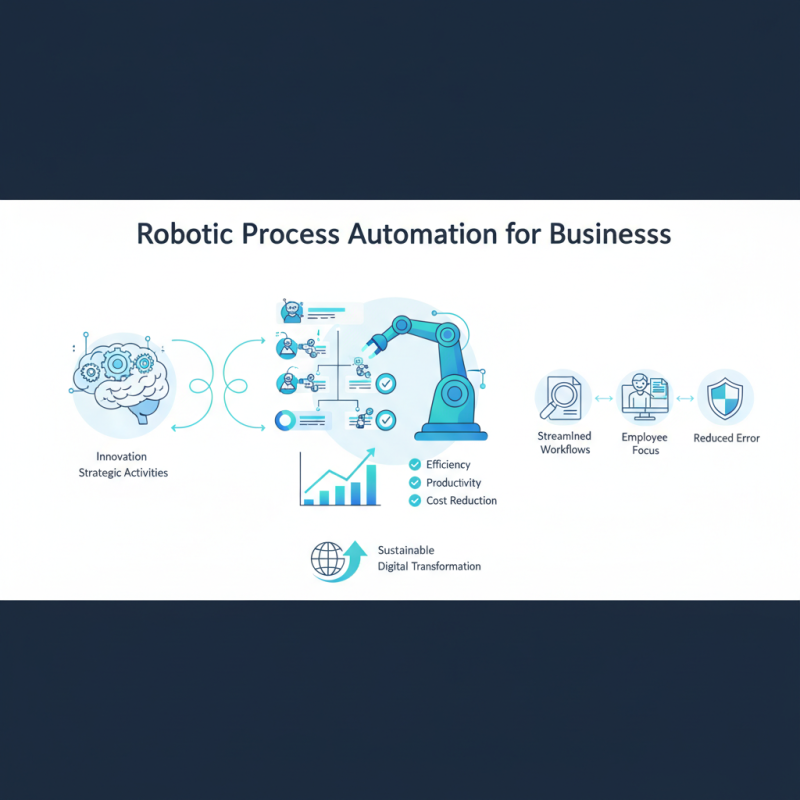
In today's rapidly evolving business landscape, companies are continuously seeking innovative solutions to enhance efficiency, reduce operational costs, and improve overall productivity. One such transformative technology that has emerged as a game-changer is robotic process automation software. This powerful tool allows organizations to automate repetitive and mundane tasks, enabling employees to focus on more strategic and value-added activities. By streamlining workflows and minimizing human error, robotic process automation software not only boosts operational efficiency but also promotes better utilization of human resources across various functions.
As businesses increasingly adopt digital transformation strategies, understanding how to effectively leverage robotic process automation software becomes essential for achieving sustainable growth and competitive advantage. This ultimate guide will explore the key features, benefits, and implementation strategies of robotic process automation software, providing insight into its role in reshaping business processes. We will delve into real-world applications and success stories that demonstrate how companies are harnessing this technology to drive innovation, enhance customer satisfaction, and streamline their operations. Prepare to unlock the potential of robotic process automation software and discover how it can revolutionize the way your business operates.
Understanding Robotic Process Automation (RPA) and its Benefits
Robotic Process Automation (RPA) is revolutionizing how businesses operate by streamlining processes through automation. According to a report from Gartner, the global RPA market is projected to grow significantly, reaching $2.9 billion by 2021, reflecting a growing recognition of its efficiency and cost-saving capabilities. RPA enables organizations to automate repetitive tasks, which allows employees to focus on higher-value work that requires human insight. This not only boosts productivity but also enhances the accuracy and speed of operations, limiting human error and increasing overall operational effectiveness.
Implementing RPA comes with numerous benefits. A study by McKinsey found that RPA can free up to 30% of an employee's time, leading to both increased engagement and substantial cost reductions. Additionally, RPA's ability to operate 24/7 means that businesses can achieve greater output without the constraints of traditional working hours. Companies adopting RPA typically report enhanced customer satisfaction as automated processes provide faster response times and more reliable service.
Tip: Before implementing RPA, it's essential to analyze and map your existing processes. Understanding what can be automated allows for a smoother transition and maximizes the benefits of automation.
Tip: Start small with RPA pilot projects to evaluate the impact and refine your strategies. This approach minimizes risks while gathering valuable insights that can inform broader implementation across the organization.
The Ultimate Guide to Robotic Process Automation Software for Businesses - Understanding Robotic Process Automation (RPA) and its Benefits
| Feature |
Description |
Benefits |
| Automation |
Enables automating repetitive tasks |
Increases efficiency and reduces human error |
| Scalability |
Easily scales with business growth and demand |
Ensures consistent performance during peak hours |
| Cost Efficiency |
Reduces operational costs by decreasing manual labor |
Maximizes resource allocation and ROI |
| Integration |
Seamlessly integrates with existing systems |
Enhances overall workflow without major IT changes |
| Analytics |
Provides insights through data collection and analysis |
Informs decision-making and identifies improvement areas |
Key Features to Look for in RPA Software for Your Business
When selecting Robotic Process Automation (RPA) software for your business, it is essential to focus on key features that enhance efficiency and effectiveness. One of the most important features is user-friendly interface capabilities. A software solution should enable users, even those without extensive technical skills, to design, implement, and manage automation processes easily. This intuitive design leads to quicker adoption and better utilization across teams, ensuring all employees can contribute to the automation strategy.
Another crucial aspect to consider is the capability for seamless integration with existing systems and applications. RPA software should have the flexibility to work alongside various tools and data sources already in use within your organization. This compatibility minimizes disruptions and helps to streamline workflows. Additionally, look for advanced analytics and reporting features, which allow businesses to monitor automation processes in real-time, providing insights into performance and areas for improvement. By prioritizing these features, organizations can make informed decisions when implementing RPA solutions, ultimately driving productivity and operational excellence.
The Adoption Rates of Robotic Process Automation Software Across Industries
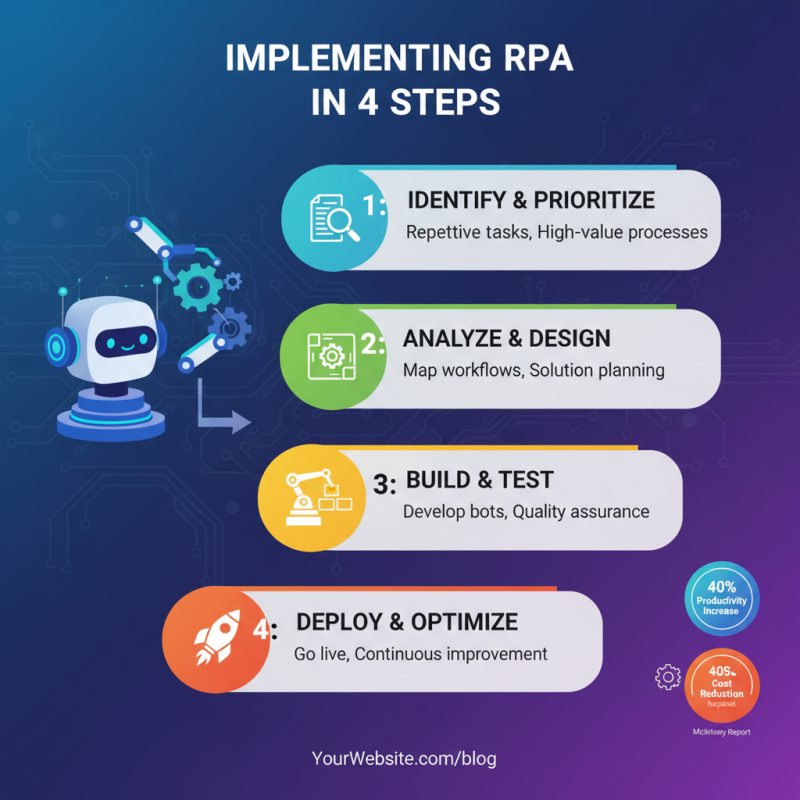
Steps to Implement Robotic Process Automation in Your Organization
Implementing Robotic Process Automation (RPA) in an organization requires a strategic approach to ensure successful integration. According to a recent report from McKinsey, automating business processes can lead to a productivity increase of 40% or more. The first step in the implementation process involves identifying and prioritizing the processes ripe for automation. Organizations should conduct a thorough analysis of their workflows to pinpoint repetitive tasks that drain resources and offer minimal value. According to Deloitte, about 40% of organizations that adopt RPA report reducing costs and increasing efficiency in key operations.
Once suitable processes are identified, the next crucial step is to build a cross-functional team dedicated to the RPA implementation. This team should include IT personnel, process owners, and business analysts to ensure a comprehensive view of existing operations and challenges. Developing a clear roadmap for implementation, setting realistic timelines, and defining success metrics are essential to gauge the effectiveness of the RPA deployment. As noted by Gartner, businesses that employ a well-structured RPA strategy can see their automation project success rates soar to over 70%, thereby yielding significant returns on investment.
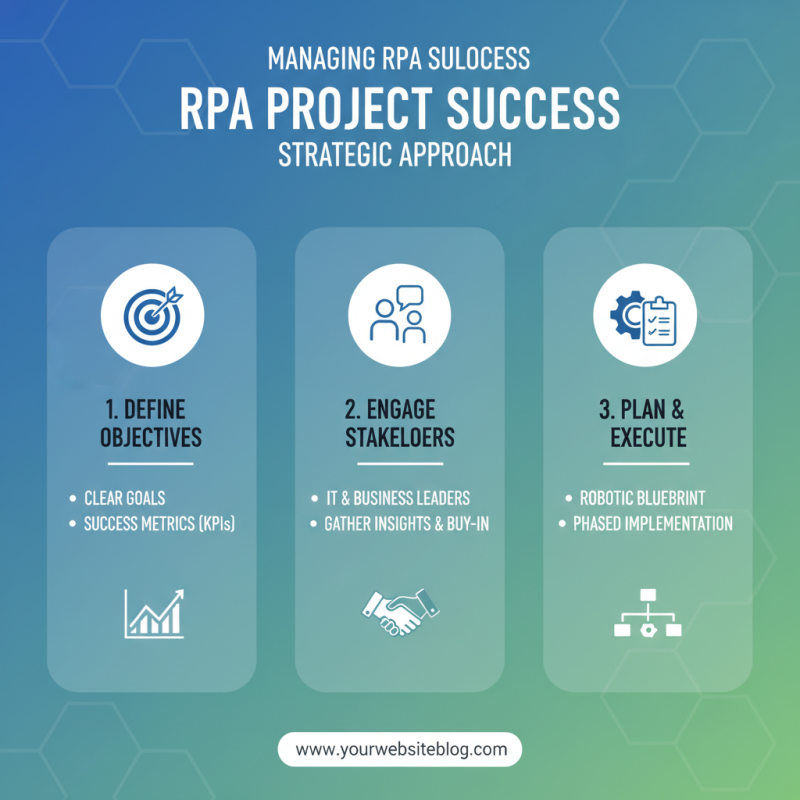
Best Practices for Managing RPA Projects Successfully
Managing Robotic Process Automation (RPA) projects successfully requires a strategic approach that emphasizes careful planning and stakeholder engagement. First and foremost, it's essential to clearly define project objectives and establish metrics for success. This ensures that all team members are aligned on the desired outcomes and can track progress effectively. Engaging with relevant stakeholders, including IT and business unit leaders, helps in gathering valuable insights and securing the necessary buy-in, which is critical for project momentum.
Another best practice involves conducting a comprehensive analysis of workflows before automation. Identifying processes that are repetitive, rule-based, and high in volume can significantly enhance the effectiveness of RPA implementations. This initial analysis should be followed by a pilot phase, allowing teams to test the automation on a smaller scale before rolling it out more broadly. Continuous monitoring and feedback loops are vital as well—regularly assessing the performance of RPA bots and gathering user feedback can help in fine-tuning processes and ensuring that the automation aligns with evolving business needs.
Future Trends in Robotic Process Automation for Businesses
As robotic process automation (RPA) continues to evolve, businesses are poised to leverage emerging trends that promise enhanced efficiency and adaptability. One of the significant trends on the horizon is the integration of artificial intelligence (AI) with RPA tools. This combination allows for more intelligent automation, where bots can learn from their interactions, adapt to new tasks, and make decisions based on real-time data. Companies should prepare for this shift by investing in training for their workforce and ensuring that teams are capable of managing AI-backed solutions effectively.
Another crucial trend is the growing focus on hyperautomation. This concept extends beyond standard RPA to incorporate more advanced automation technologies, such as machine learning and advanced data analytics. Hyperautomation aims at automating complex business processes that require higher levels of decision-making. To stay ahead, businesses should assess their existing processes and identify which could benefit from a hyperautomation approach, providing a more streamlined and cohesive operational strategy.
Tips: Engage your employees early in the automation process. Their insights can help identify processes that are ripe for automation and foster a culture that embraces technology. Additionally, regularly reassess your automation strategy to adapt to technological advancements and changing business needs. By doing so, you can ensure that your RPA initiatives remain relevant and effective.