What is Robotic Process Automation and How Can It Benefit You?
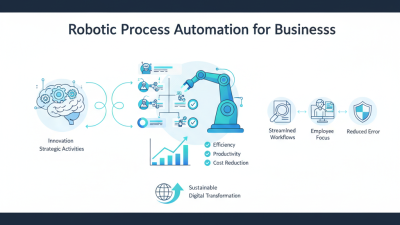
Robotic Process Automation (RPA) is rapidly transforming how businesses operate. It allows organizations to automate repetitive tasks, improving efficiency and reducing errors. Many companies are already reaping the rewards of RPA, gaining a competitive edge in their industries.
With RPA, employees can focus on strategic tasks instead of mundane processes. This shift can lead to higher job satisfaction and better performance. However, the transition is not without challenges. Companies must carefully evaluate their needs and select the right processes for automation. Some struggle with the initial setup and require ongoing support.
Understanding RPA can unlock significant benefits. It’s crucial to approach this technology thoughtfully. Businesses must align RPA with their goals and continuously assess its impact. The right implementation can reshape workflows and drive innovation.
What is Robotic Process Automation?
Robotic Process Automation (RPA) is revolutionizing how businesses operate. It enables software to perform routine tasks, mimicking human actions. Imagine a system that can handle data entry, manage invoices, or process orders without fatigue. This technology reduces human error and enhances efficiency.
RPA works by integrating with existing systems. It can extract information, perform calculations, and even generate reports. Tasks that took days can now be completed in hours. However, deploying RPA requires careful planning. Not all processes are suited for automation. Identifying the right tasks is crucial for success.
Organizations often struggle with implementation. Resistance from employees can hinder progress. It’s a challenge to balance technology and human touch. Training and communication are vital to foster understanding. While RPA offers significant advantages, it is not a one-size-fits-all solution. Evaluating its impact thoughtfully is essential for long-term benefits.
Benefits of Robotic Process Automation
Key Components of Robotic Process Automation Technology
Robotic Process Automation (RPA) stands out with its key components that drive efficiency in various processes. At its core, RPA technology consists of software robots or "bots." These bots automate repetitive tasks, such as data entry and report generation. They mimic human actions, working with applications just like a person would. This ability to operate across multiple platforms makes RPA versatile and adaptable.
Another vital component is the user interface. RPA tools often provide a simple, drag-and-drop interface for users. This accessibility means that even those without technical backgrounds can create and deploy automation processes. However, users should be cautious; poorly designed workflows can lead to errors. Testing and debugging are essential for optimal performance.
Finally, security is a critical aspect of RPA technology. Bots need access to sensitive information to carry out their tasks. Implementing robust security features is non-negotiable. Organizations must ensure secure access and comply with regulations. While RPA offers many benefits, such as reduced operational costs and increased accuracy, careful implementation is crucial for success. The focus on key components highlights the complex, yet rewarding journey into automation.
Benefits of Implementing Robotic Process Automation in Various Industries
Robotic Process Automation (RPA) is transforming various industries by streamlining repetitive tasks. It allows businesses to automate mundane processes, reducing human error. For instance, finance departments benefit from RPA in invoice processing. Manual entry can lead to mistakes. With RPA, data is accurately captured and processed in milliseconds.
The healthcare sector also sees significant advantages. RPA helps in patient data management, appointment scheduling, and billing. This saves time and allows healthcare professionals to focus more on patient care. However, organizations should consider the initial investment and training required for effective implementation.
Manufacturing can harness RPA for inventory management. Keeping track of stock levels manually is time-consuming. Automated systems ensure that businesses know exactly when to restock or reduce inventory. Yet, the integration of RPA can pose challenges. Legacy systems may not easily adapt to new technologies. Companies need to evaluate their readiness for such changes.
Challenges and Considerations When Adopting RPA Solutions
Adopting Robotic Process Automation (RPA) comes with its own set of challenges. Although RPA can greatly enhance efficiency, organizations must navigate common pitfalls. According to a report from Deloitte, companies may experience a 30% decrease in operating costs when successfully implementing RPA. However, many fail to achieve this due to inadequate change management strategies. Without proper guidance, employees might resist new technologies, fearing job displacement.
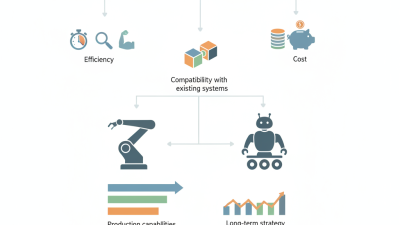
Another key consideration is the integration of RPA with existing systems. A McKinsey study revealed that 60% of RPA projects encounter integration issues, leading to unexpected delays. Organizations often overlook the need for a scalable architecture that can accommodate RPA solutions. If systems are incompatible, the transition can become problematic and resource-intensive.
Moreover, measuring the success of RPA has proven challenging. Many companies struggle to define clear metrics for performance evaluation. According to industry research, about 40% of organizations do not have a solid framework to assess RPA impact. This lack of clarity can hinder continuous improvement efforts and limit the realization of RPA's potential benefits. Organizations must address these considerations to fully leverage RPA's capabilities.
Future Trends and Developments in Robotic Process Automation
Robotic Process Automation (RPA) is evolving rapidly. Future trends indicate a shift towards integrated systems. Businesses will adopt more advanced AI capabilities within RPA. This combination will improve decision-making and enhance workflows. Advanced analytics will help organizations to refine their processes continuously. By analyzing data from automated tasks, companies can make more informed choices.
Integration with machine learning could take RPA to new heights. Machines may learn from past actions. This self-improving cycle can lead to better, more efficient outcomes. However, implementing such advanced systems requires careful planning. Not all businesses can adapt quickly. There might be a learning curve for employees too. Resistance to change can hinder progress.
Additionally, ethical considerations must not be overlooked. As RPA becomes more prominent, concerns about job displacement rise. Organizations should address employee fears and involve them in the transition. Balancing technological advancement and workforce stability will be crucial. Thoughtful implementation can lead to a more harmonious workplace.