What is Robotic Automation and How Does it Work?
Robotic automation is transforming industries worldwide. John Smith, a leading expert in the field, once said, "Robotic automation is not just a tool; it's a game changer." This technology combines mechanical processes with intelligent systems to enhance efficiency and accuracy.
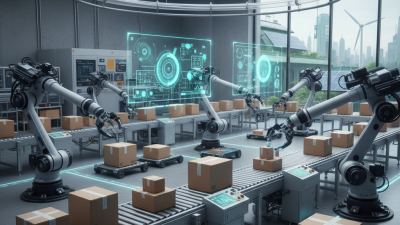
Robotic automation can perform repetitive tasks that often strain human workers. This allows employees to focus on more complex and creative tasks. For example, in manufacturing, robots handle assembly, packaging, and quality control. However, reliance on robotic automation can also raise concerns. Some fear job displacement as machines take over roles traditionally held by humans.
As businesses adopt robotic automation, they must carefully consider its implications. Balancing innovation with the human touch remains a challenge. Industry leaders must ask, how do we maintain meaningful employment while embracing these advancements? Insights from experts like Smith help spark important discussions on the future of work.
What is Robotic Process Automation (RPA) and Its Significance?
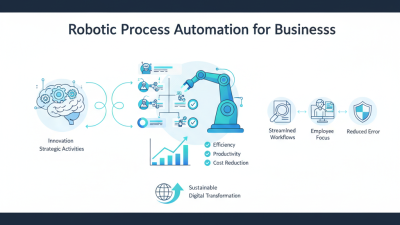
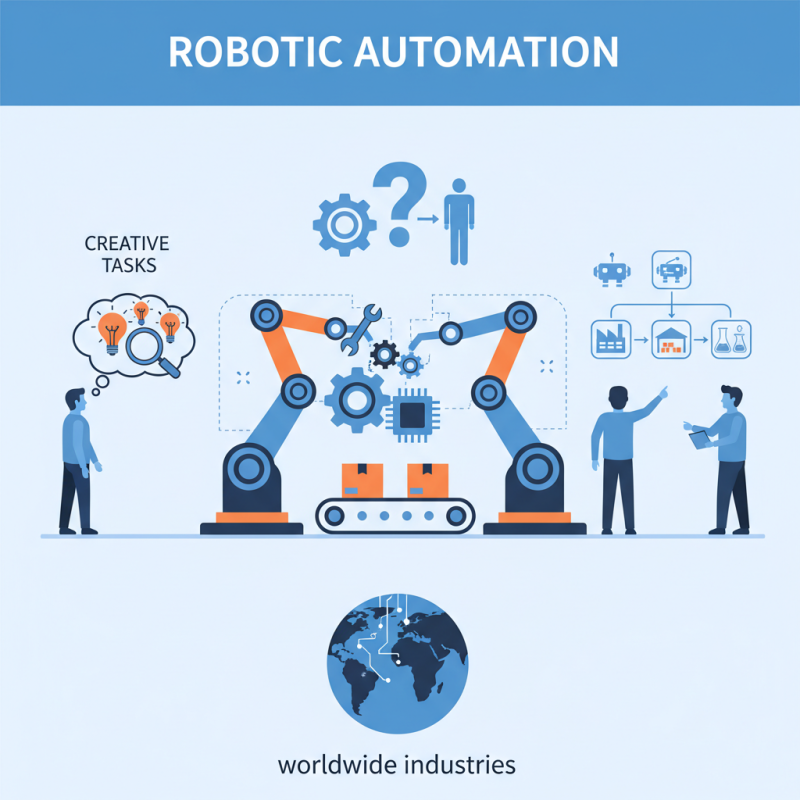
Robotic Process Automation (RPA) is transforming how businesses operate. It enables organizations to automate repetitive tasks that once required human intervention. According to a report by Deloitte, 53% of companies have started implementing RPA in their operations, showcasing its growing significance.
RPA brings efficiency but also comes with challenges. Many organizations face integration issues. The technology needs to work seamlessly with existing systems. A study by Gartner indicates that 65% of RPA projects struggle to achieve their full potential. This reflects the need for careful planning and execution. Not every task is suitable for automation, and businesses might overlook this.
The impact of RPA is evident in terms of cost and productivity. McKinsey reported that RPA can reduce operational costs by up to 30%. However, replacing human workers with bots raises ethical concerns. Are we prioritizing efficiency over human employment? Organizations must balance the benefits of automation with its societal implications.
Key Components and Technologies Underpinning Robotic Automation
Robotic automation relies on several key components and technologies. At its core, it utilizes robots equipped with advanced sensors and software. These elements allow robots to perceive their environment. For instance, using cameras and LIDAR, they can navigate complex settings. This technology enables tasks like sorting, assembling, or packing to be completed efficiently.
Programming plays a critical role in robotic automation. It often involves intricate algorithms and machine learning. Although automation improves speed, programming errors can lead to delays. Furthermore, system integration is essential. Different robots must communicate effectively. A failure in connectivity can disrupt operations and waste resources. Despite its potential, achieving seamless interaction remains a challenge.
Another essential component is artificial intelligence. AI enhances decision-making capabilities. Robots can learn from past experiences. Yet, there are concerns about reliability. Unexpected situations may confuse AI systems. Thus, human oversight is still necessary. Balancing automation and human intelligence is vital for success.
Applications of Robotic Automation Across Various Industries
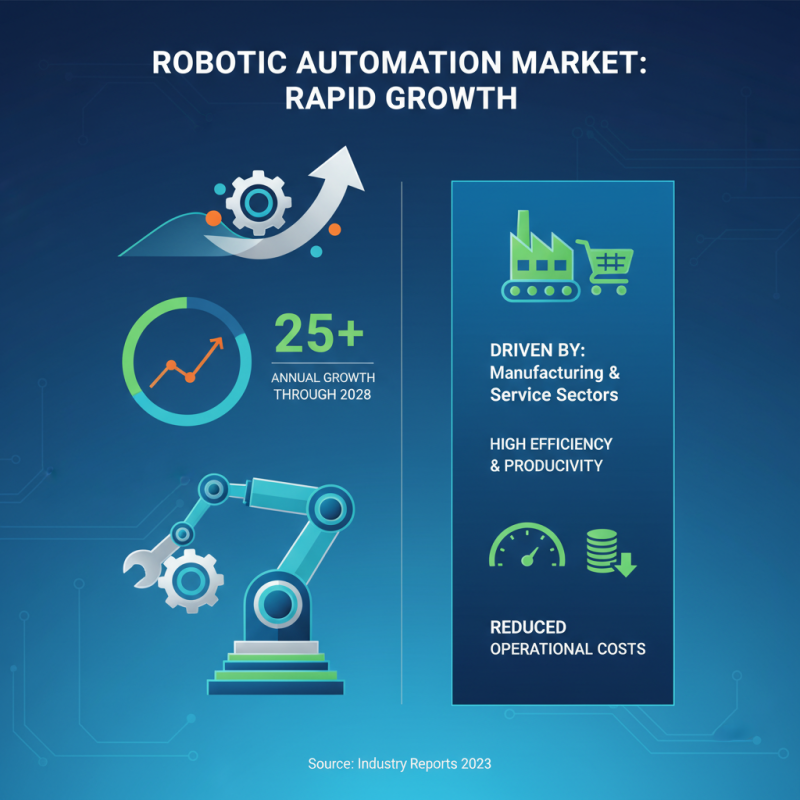
Robotic automation is transforming numerous industries. In manufacturing, robots streamline production processes. They work around the clock and increase efficiency. According to a recent report, 70% of factories have adopted some form of automation. This shift reduces human error and enhances output.
In the healthcare sector, robotic automation assists in surgeries and patient care. Hospitals report improved precision during operations. A study indicates that robotic surgical systems can decrease recovery time by 20%. However, the integration poses challenges. Staff training is essential, yet many healthcare workers express concerns over technology reliance.
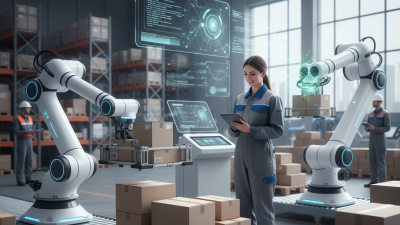
Logistics is another field benefiting from automation. Robots manage inventory and streamline warehousing. Companies have noted a 30% reduction in operational costs. Despite this, some fear job losses might arise. Balancing automation with human roles remains a concern for many businesses. Implementing these systems thoughtfully is crucial for sustainable growth.
Benefits and Challenges of Implementing RPA in Business Processes
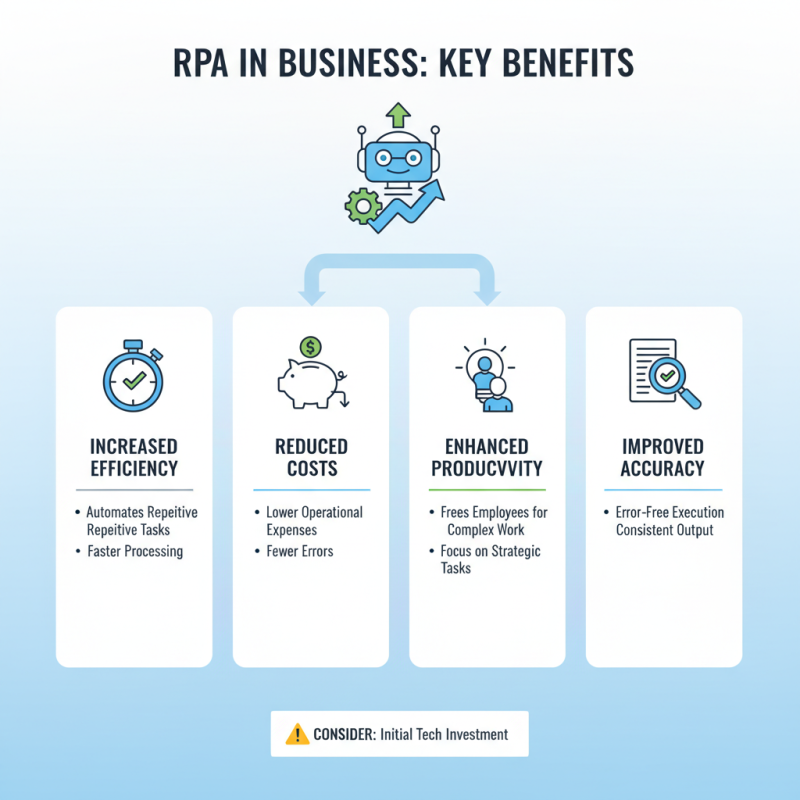
Implementing Robotic Process Automation (RPA) in business can offer significant benefits. It can enhance efficiency and reduce operational costs. By automating repetitive tasks, employees have more time for complex activities. This can increase overall productivity. However, organizations must consider the initial investment in technology.
One challenge is the integration with existing systems. Companies may face compatibility issues. Employees might resist change, fearing job loss. Communication about the benefits of RPA is crucial. It’s important to reassure staff that automation can support their roles, not replace them. Moreover, ongoing maintenance and updates can add complexity.
There’s also the risk of overestimating RPA’s capabilities. Not every task is suitable for automation. Poorly chosen processes can lead to frustration. Companies need a clear strategy and thorough evaluation before implementation. Balancing the pros and cons is essential for a successful transition.