Why is the Robotic Arm Revolutionizing Modern Industries?
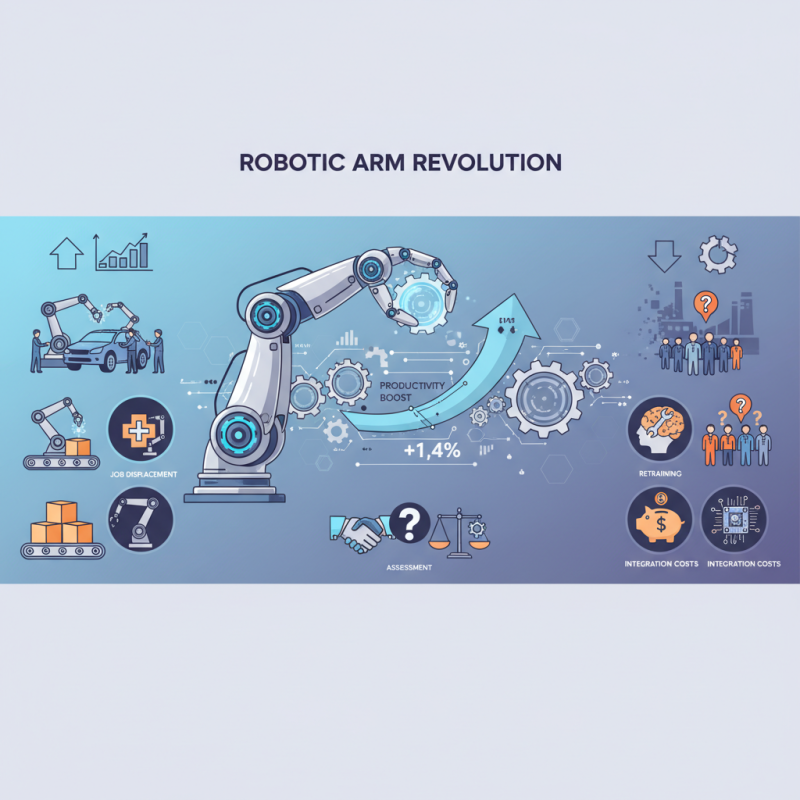
The emergence of the robotic arm is changing modern industries. These versatile machines can perform repetitive tasks with precision and speed. According to a recent report by McKinsey, automation could raise productivity by up to 1.4% annually. This shift is impacting manufacturing, logistics, and even healthcare.
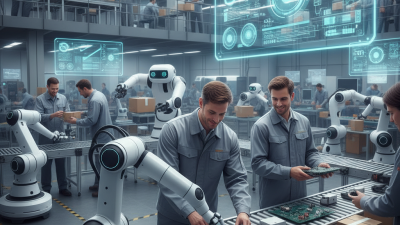
Robotic arms can work alongside humans, enhancing efficiency. In automotive manufacturing, companies report reduced assembly times by up to 30%. Yet, there are concerns about job displacement. The World Economic Forum forecasts that automation may eliminate 85 million jobs by 2025. This brings attention to the need for workforce retraining.
While robotic arms offer significant benefits, their implementation also presents challenges. Companies must manage integration costs and adapt workflows. Not every task is suitable for automation. Therefore, industries must carefully assess which processes can enhance productivity without sacrificing employment. In this evolving landscape, the robotic arm is more than just a tool; it represents a pivotal shift in how we work.
Historical Background of Robotic Arms in Industry
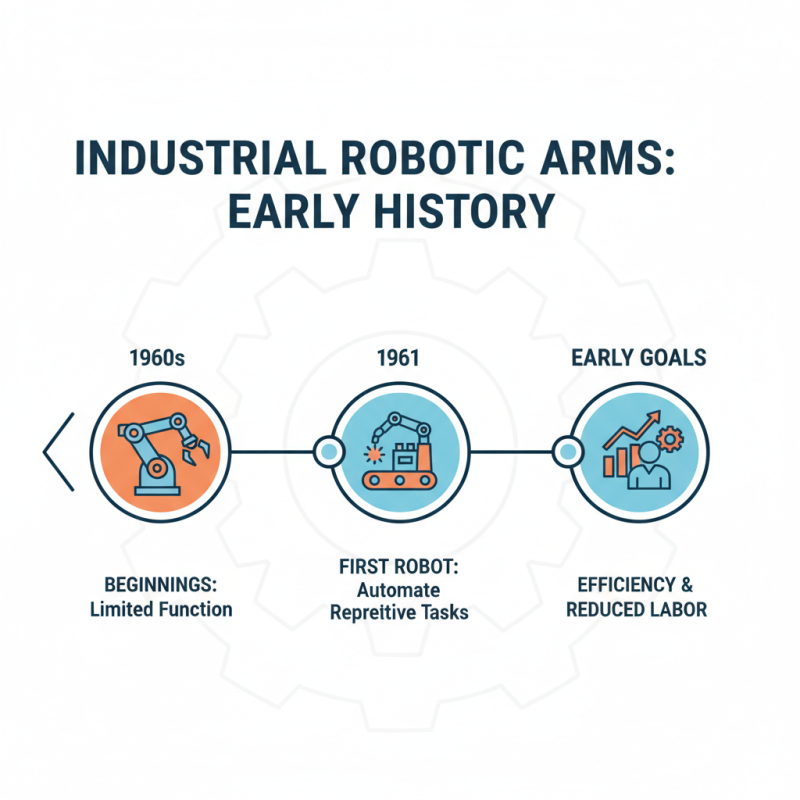
The history of robotic arms in industry dates back to the early 1960s. Initially, these machines were primitive and limited in function. The first industrial robotic arm was introduced to automate repetitive tasks. It aimed to improve production efficiency and reduce human labor.
By the 1970s, robotic arms began to gain traction in automotive manufacturing. A report from the International Federation of Robotics states that automotive industries accounted for over 50% of global robot installations. The precision and speed of robotic arms significantly lowered production costs. They also reduced the risk of workplace injuries from repetitive tasks.
Despite these advancements, challenges remain. Not all industries have adopted robotic solutions. Some companies grapple with high initial investment costs. There is also a skills gap in operating and maintaining these complex machines. Employee resistance can impede integration. Addressing these issues is vital for maximizing the potential of robotic arms in modern manufacturing.
Key Features of Modern Robotic Arms
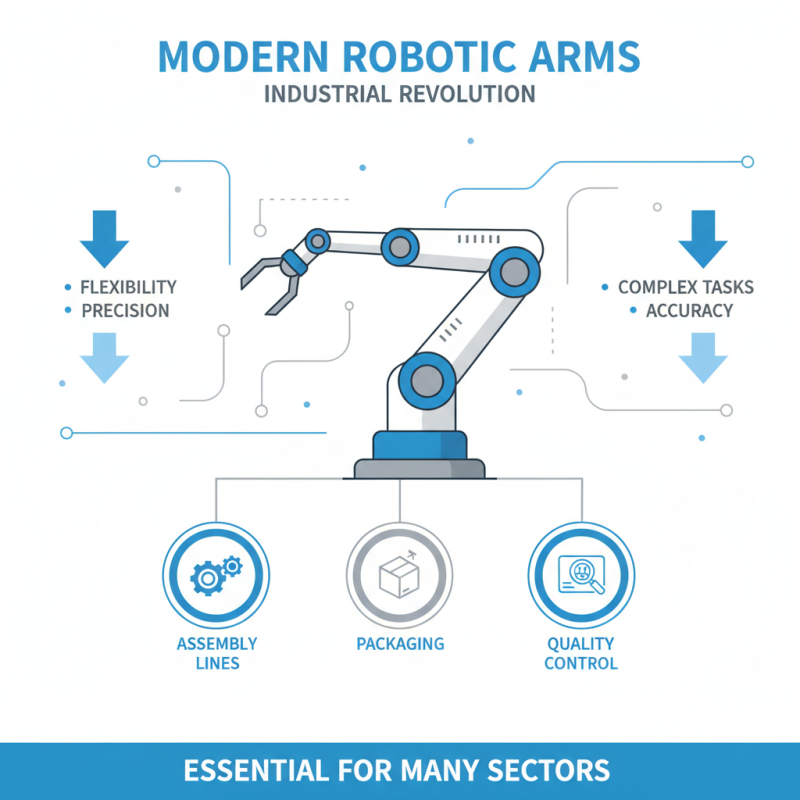
Modern robotic arms are changing industries dramatically. Their flexibility and precision are impressive. These machines can perform complex tasks with accuracy. They excel in assembly lines, packaging, and quality control. This versatility makes them essential for many sectors.
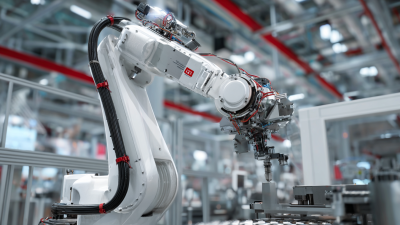
One key feature of modern robotic arms is adaptive programming. This allows them to learn from their environment. They can adjust to new tasks quickly. Some robotic arms even use machine vision. This empowers them to identify defects or variations in products efficiently. Additionally, their compact design enables seamless integration into existing workflows.
Despite their advantages, challenges still exist. Calibrating robotic arms requires time and expertise. Faulty programming can lead to errors. Moreover, there are concerns about job displacement in manual roles. As industries evolve, finding the balance between automation and human input is crucial.
Applications of Robotic Arms Across Various Industries
The rise of robotic arms is transforming industries worldwide. In manufacturing, these machines enhance precision and boost productivity. According to a report by the International Federation of Robotics, global sales of robotic arms reached nearly 500,000 units in 2022. This trend is expected to grow as businesses seek automation solutions.
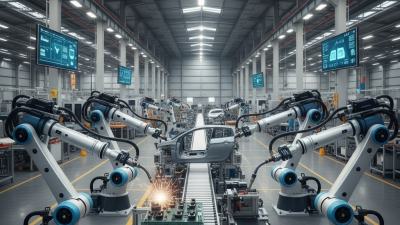
Robotic arms are widely used in sectors like automotive and electronics. In the automotive industry, they paint, weld, and assemble vehicles with unmatched accuracy. A study shows that automotive companies have reported up to 30% reductions in production time after adopting robotic solutions. In electronics, robotic arms assemble tiny components that are difficult for humans to handle. Efficiency is key here, and data indicates a 25% increase in throughput.
Tips: Focus on the integration of robotic arms into your production lines. Training staff to work alongside these machines is crucial. Be open to troubleshooting; not all robotic solutions fit seamlessly. Evaluate your needs continuously. Adaptation improves overall outcomes and minimizes downtime. Embracing technology can feel daunting, but the rewards often surpass the challenges.
Why is the Robotic Arm Revolutionizing Modern Industries? - Applications of Robotic Arms Across Various Industries
| Industry |
Application |
Benefits |
| Manufacturing |
Assembly Line Operations |
Increased speed and precision, reduced labor costs |
| Healthcare |
Surgical Assistance |
Enhanced accuracy, minimized recovery time for patients |
| Logistics |
Warehouse Automation |
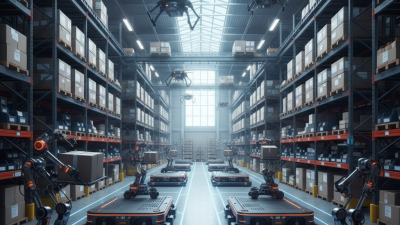
Improved efficiency, faster order fulfillment |
| Food Processing |
Packaging and Sorting |
Consistent quality, reduced food waste |
| Construction |
Bricklaying and Material Handling |
Increased safety, ability to handle heavy materials |
| Automotive |
Welding and Painting |
High precision, uniform finish |
| Aerospace |
Component Assembly |
Strength and lightweight design, enhanced safety |
Benefits of Implementing Robotic Arms in Manufacturing
Robotic arms are changing the landscape of manufacturing. They enhance precision and efficiency, reducing human error. These machines can perform repetitive tasks tirelessly, allowing workers to focus on more complex responsibilities. For example, they can assemble components with exact accuracy, minimizing waste. This leads to significant cost savings, which is essential in competitive markets.
However, implementing robotic arms is not without its challenges. The initial investment can be high, and there's a learning curve. Companies may struggle with integrating these machines into existing workflows. Moreover, the fear of job displacement looms over many employees. It's crucial to address these concerns by providing training and support. Not every company will achieve seamless integration at first, and that’s okay. Finding the right balance between automation and human skills is vital for long-term success.
Impact of Robotic Arms in Modern Manufacturing
Challenges and Future Prospects of Robotic Arm Technology
The rise of robotic arm technology offers immense potential. Yet, it faces several challenges that demand attention. One key issue is the complexity of programming these arms. Many industries struggle with integrating robotic arms into existing workflows. Technicians need specific skills to operate them effectively. This gap can create downtime, hindering productivity.
Another challenge is the high initial cost of robotic systems. While they promise efficiency, the investment can be a barrier for small businesses. Many companies weigh the costs against potential gains. This uncertainty can stall advancement in robotic technology. In addition, maintenance and repairs require specialized knowledge. Without proper training, operations may suffer.
Looking ahead, the future of robotic arms remains promising. Improvements in artificial intelligence could enhance their capabilities. Collaborative robots could work alongside human workers, creating synergy. However, ethical considerations about job displacement will need addressing. Ensuring people adapt to this robotic evolution is vital. Balancing innovation with workforce stability is crucial for sustainable growth.