Robot technology is reshaping industries and daily life. The Global Robotics Report predicts a growth rate of 25% annually. This rapid development signifies profound changes ahead. Automation is becoming an integral part of manufacturing, healthcare, and even personal assistance.
Expert Dr. Sarah Thompson, a leading voice in robot technology, states, "Innovation in robotics will define new levels of productivity." This perspective highlights the intensity of competition. While advancements drive efficiency, they also raise ethical concerns. Job displacement is a critical issue alongside the benefits of automation.
Innovation in robot technology is not without its flaws. Systems can fail, and integration can be complex. As we navigate these advancements, reflection is key to ensure that we balance progress with responsibility. The journey toward a robotic future demands careful consideration of both its promises and its pitfalls.
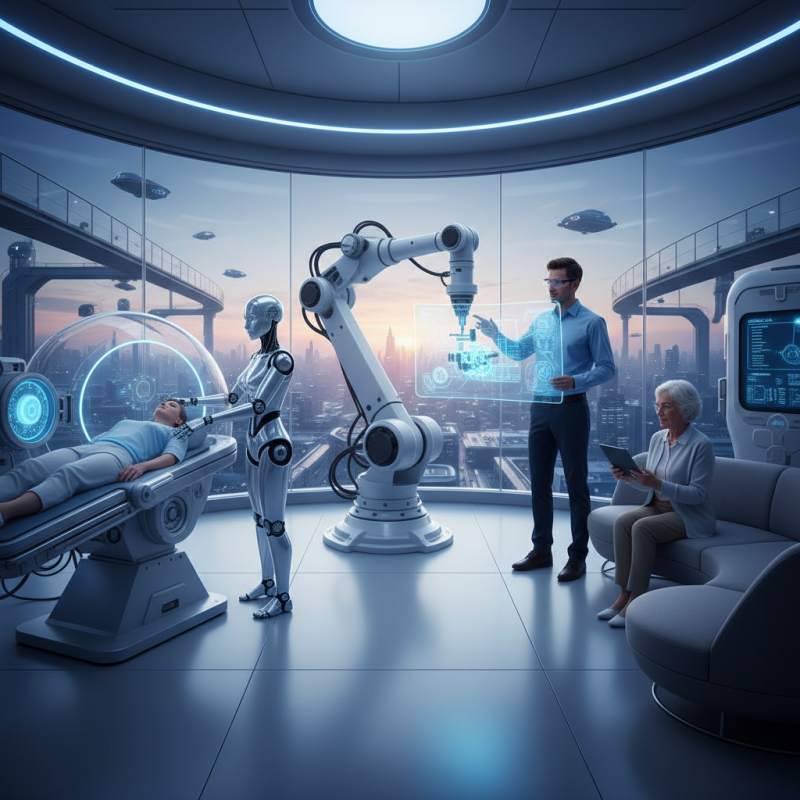
Robot technology continues to evolve rapidly. Artificial Intelligence (AI) and Machine Learning (ML) are key drivers behind these advancements. According to a recent report by the International Federation of Robotics, the number of industrial robots in use globally is expected to reach 4 million by 2025. This surge can be attributed to enhanced AI capabilities.
AI enables robots to analyze vast amounts of data. This process leads to improved decision-making in real-time. For example, robots can now learn from their environment. This adaptability was unheard of only a few years ago. However, the integration of AI in robotics is not without challenges.
Machine learning algorithms can be biased, leading to flawed outputs. These imperfections require careful monitoring.
Moreover, robotics powered by AI is transforming sectors like healthcare. Surgical robots are becoming more precise, reducing recovery times and complications. Yet, these innovations demand ethical considerations. The question of accountability arises.
Who is responsible for a robot's mistake? As AI continues to power advancements, these critical discussions will shape our future.
Autonomous robotics are making significant strides in various sectors. According to a recent report by McKinsey, about 60% of jobs could be automated by 2030. This transformation is reshaping industries, from manufacturing to healthcare. Robotics enhances efficiency and reduces costs. However, the rapid adoption raises questions about employment and economic impact.
In healthcare, robots assist in surgeries and logistical processes. A study by Deloitte indicated that robotic surgery can reduce recovery time by 20%. These advancements are promising but bring challenges. Concerns about reliability and the need for human oversight are essential. Moreover, integrating robots into daily operations requires careful planning.
In the manufacturing sector, automation has led to increased productivity. Research from the International Federation of Robotics states that the global industrial robot market is projected to reach $210 billion by 2025. However, this growth may widen the skills gap. Workers need reskilling to thrive alongside robots. It’s crucial to address these issues to maximize the benefits of automation while minimizing its drawbacks.
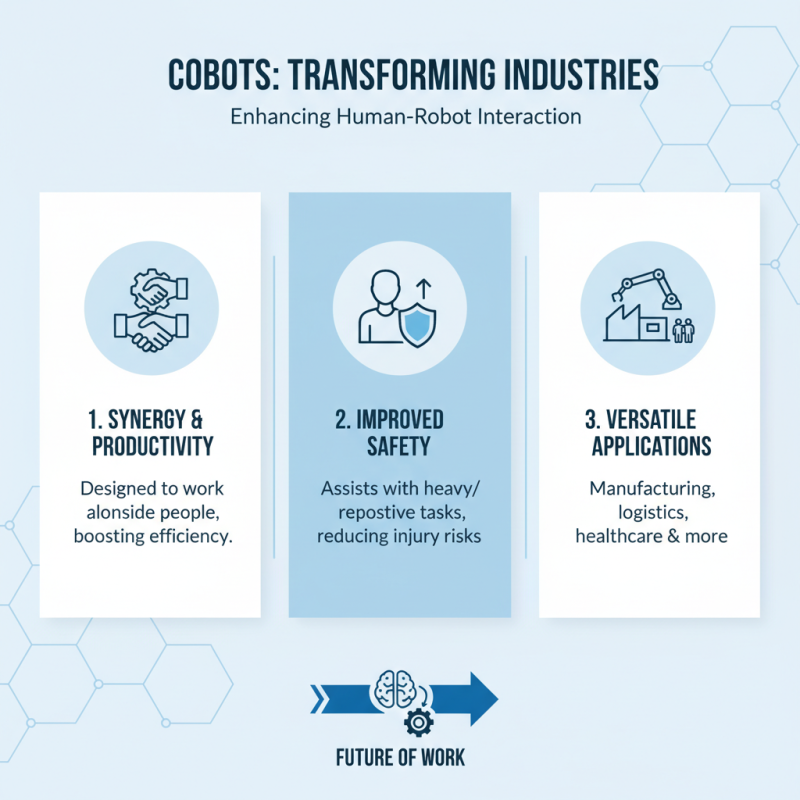
Collaborative robots, or cobots, are transforming industries by enhancing human-robot interaction. Unlike traditional robots, cobots are designed to work alongside people. This synergy can improve productivity and safety in various settings. For example, in manufacturing, cobots assist workers with heavy lifting tasks. This reduces the risk of injuries.
People may worry about safety when working with robots. It's essential to address these concerns proactively. Training employees on how to interact with cobots is crucial. Workers should feel comfortable and confident. Additionally, ensure that cobots are equipped with safety features. Sensors and emergency stop buttons can prevent accidents effectively.
Tips: Always observe how cobots move. Understanding their patterns can enhance interaction. Encourage feedback from employees about their experiences. This can lead to improvements in cobot designs. Monitoring workplace dynamics is vital as well. Communicate openly about any problems or frustrations. This can foster a safer and more productive environment.
Humanoid robots are not just machines anymore. They are becoming vital partners in social interaction and assistance. Imagine a world where these robots help elderly individuals at home, providing companionship and support. They can remind someone to take medication or even engage in conversation. This technology has the potential to enhance quality of life significantly.
However, there are challenges. Not all humanoid robots understand human emotions effectively. Their responses can sometimes feel mechanical or disconnected. It’s essential to improve their emotional intelligence. This creates an opportunity for developers to rethink interaction protocols. Building more relatable robots means we must study human behaviors closely.
Tip: Always consider the ethical implications of using humanoid robots. What are the potential drawbacks? Reflect on how these interactions impact society overall. The aim should be to enhance, not replace, human connections. Understanding this is critical for the future of humanoid robots. Social interaction is nuanced and complex. A simple robot cannot replicate it entirely. Striving for balance is key as we move forward.
| Innovation | Description | Impact on Society | Year Introduced |
|---|---|---|---|
| Humanoid Interaction Robots | Robots designed to engage with humans through conversation and emotional support. | Enhances social interaction for the elderly and those with disabilities. | 2022 |
| AI-Powered Care Robots | Robots that assist with daily activities and provide companionship. | Improves quality of life for seniors and reduces caregiver workload. | 2023 |
| Socially-Aware Robots | Robots equipped with sensors to respond to human emotions. | Facilitates deeper emotional connections with users. | 2021 |
| Assistive Robots for Rehabilitation | Robots that aid physical rehabilitation through guided exercises. | Speeds up recovery times and provides motivation for patients. | 2020 |
| Delivery Robots | Robots that autonomously deliver goods to customers. | Enhances efficiency in logistics and reduces delivery times. | 2019 |
| Educational Robots | Robots designed to enhance learning through interactive experiences. | Encourages STEM education and engages students. | 2021 |
| Robots for Mental Health | Robots equipped to assist in mental health therapies. | Provides support for individuals suffering from anxiety and depression. | 2023 |
| Telepresence Robots | Robots that enable remote interaction via video calls. | Facilitates communication and collaboration over distances. | 2018 |
| Smart Home Assistant Robots | Robots that manage household tasks and provide reminders. | Simplifies daily life and enhances home automation. | 2022 |
| Exoskeleton Robots | Wearable robots that assist with mobility and heavy lifting. | Increases mobility for individuals with disabilities and aids workers. | 2020 |
Robotics is transforming healthcare in remarkable ways. Advanced robotic systems assist surgeons, improving precision during procedures. Reports indicate that robotic-assisted surgeries can reduce recovery times by up to 30%. This helps patients return to their daily lives more quickly. Moreover, these innovations enhance surgical outcomes, creating opportunities for patients who might not benefit from traditional methods.
Rehabilitation is another area where robotics shines. Exoskeletons aid patients with mobility difficulties. A study revealed that such devices can improve walking ability in stroke victims by as much as 40%. Beyond physical improvements, these robots provide emotional support as well. They engage patients, fostering a sense of independence.
However, reliance on robots raises questions. Not all patients adapt well to robotic assistance. Some express discomfort and stress, fearing loss of human touch in care. Caregivers also face challenges integrating these technologies into their routines. Balancing efficiency with empathy is vital, urging a closer look at how we implement these advancements in real-life settings.
Watch video