How to Optimize Aeration Process in Wastewater Treatment?
The Aeration Process In Wastewater Treatment is crucial for enhancing the removal of pollutants. In recent years, the global demand for improved wastewater management has surged. According to the Environmental Protection Agency (EPA), effective aeration systems can increase treatment efficiency by up to 30%. This data highlights the pressing need for optimization in wastewater treatment facilities.
Many plants still struggle with outdated aeration techniques. Inefficient aeration not only raises operational costs but also diminishes the quality of treated water. Reports indicate that up to 50% of a plant's energy costs may be associated with aeration. Thus, refining this process holds significant potential for lowering expenses and improving outcomes.
There is a growing recognition of the need for innovation in this area. New technologies, such as fine bubble diffusers, show promise in enhancing oxygen transfer rates. However, these solutions are not universally applicable and require careful evaluation. Addressing these challenges is essential to meet regulatory standards and environmental goals. The optimization of the aeration process in wastewater treatment is a complex task, yet it remains vital for sustainable water management.
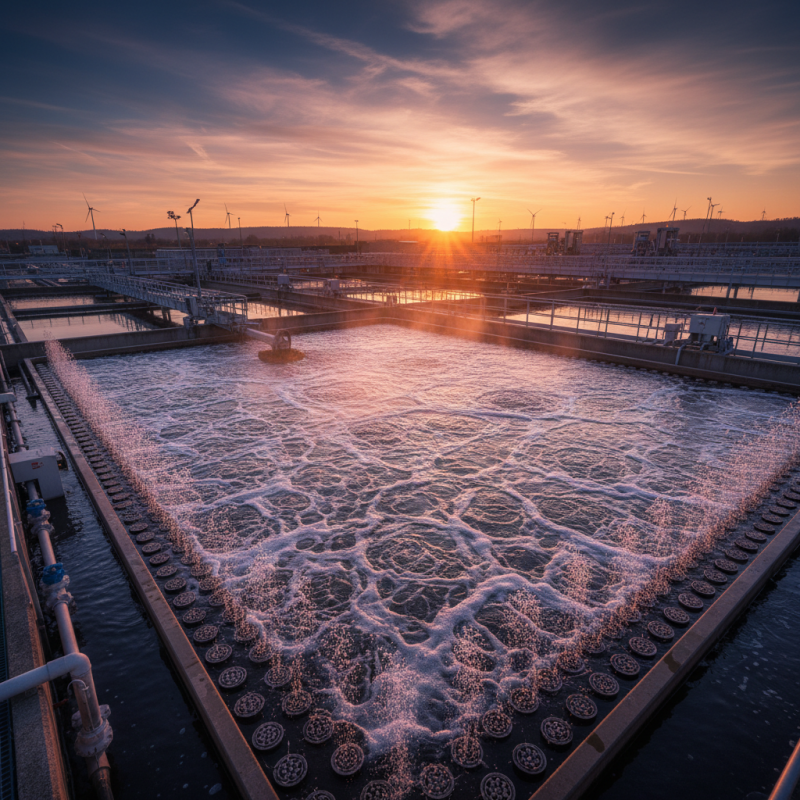
Overview of Aeration in Wastewater Treatment Processes
Aeration plays a crucial role in wastewater treatment processes. It enhances the biological breakdown of organic materials. By increasing oxygen levels, bacteria thrive and digest pollutants more effectively. This process can happen in various systems, such as activated sludge or biological aerated filters.
In practice, optimizing aeration requires careful monitoring of oxygen levels. Too little oxygen can hinder microbial activity. Conversely, too much can lead to excess energy use. Finding that sweet spot is often challenging but vital for efficiency. Operators should regularly check equipment and aeration strategies to adapt to changing conditions.
Another important aspect is the design of aeration systems. Different settings may necessitate different approaches. For instance, the depth of water and type of tank can affect how air is introduced. Additionally, operators may need to consider variations in wastewater composition. This can complicate the optimization process. Overall, while aeration is essential, achieving the perfect balance often requires ongoing adjustments and critical analysis.
Importance of Optimizing Aeration for Treatment Efficiency
Optimizing the aeration process in wastewater treatment is crucial for enhancing treatment efficiency. Effective aeration ensures that microorganisms receive adequate oxygen, promoting their activity in breaking down pollutants. Inadequate aeration can lead to poor treatment results and operational inefficiencies. Therefore, focusing on optimization is essential.
One effective tip is to regularly monitor dissolved oxygen levels. High levels can waste energy, while low levels may hinder microbial activity. Adjusting airflow based on real-time data helps maintain optimal conditions. Another consideration is the aeration system design. Choosing the right type, such as diffused or mechanical aerators, can greatly impact performance. Ensure that the system is well-maintained to prevent emergency repairs that can disrupt treatment processes.
While optimizing aeration, it’s important to evaluate existing practices critically. Implementing a trial-and-error approach may reveal unexpected issues. For example, over-aeration can harm nitrogen removal, a common issue in many facilities. By reviewing these practices, facilities can make data-driven adjustments that lead to long-term benefits. Balancing aeration levels is a continuous process that requires regular assessment and adjustment.
Techniques for Improving Aeration Efficiency
Aeration is a critical process in wastewater treatment. It enhances the degradation of organic pollutants. Optimizing aeration efficiency can significantly reduce operating costs and improve water quality. According to the U.S. Environmental Protection Agency (EPA), inefficient aeration can waste up to 50% of energy consumption in treatment plants. This considerable waste calls for improved techniques.
One effective method is the use of fine bubble diffusers. Research indicates that fine bubbles increase the surface area for oxygen transfer. This approach can enhance the oxygen transfer efficiency (OTE) by 20% compared to coarse bubble systems. Additionally, maintaining optimal airflow rates is crucial. Over-aeration can lead to energy inefficiency and higher operational costs. Monitoring systems should be implemented to align aeration patterns with real-time needs.
Another promising technique includes the use of automated control systems. These systems can adjust aeration levels based on the biochemical oxygen demand (BOD) of the incoming water. The Water Environment Federation reports that automated systems can reduce energy usage by 30% while maintaining consistent effluent quality. However, challenges remain in managing these technologies, requiring skilled personnel for oversight. Balancing innovation and practicality is key to achieving true optimization in aeration processes.
Optimization of Aeration Process in Wastewater Treatment
Monitoring and Measuring Aeration Performance
Effective monitoring and measuring of aeration performance is crucial in optimizing the aeration process in wastewater treatment systems. Research indicates that proper aeration can enhance biological treatment efficiency by up to 40%. According to the U.S. Environmental Protection Agency (EPA), maintaining an optimal dissolved oxygen (DO) level between 2 mg/L and 4 mg/L is essential for effective microbial activity. This performance metric ensures that the microorganisms can thrive and break down organic materials effectively.
Regular monitoring of aeration performance can reveal vital data. Consider using a dissolved oxygen meter to track variations throughout the day. This tool helps identify the patterns in oxygen depletion and use. Additionally, employing flow meters can offer insights into air flow rates and operational efficiency. It’s also important to regularly check for equipment malfunctions. They can lead to inconsistent aeration, affecting treatment quality.
Tips: Conduct monthly performance audits. Inspect aeration tanks for buildup or wear. Adjust aerator settings based on seasonal changes. These practices can ensure consistent performance and compliance with treatment standards. Remember, even small changes can lead to significant improvements in operational efficiency. Regular reflection on data collected can help in adjusting strategies for better outcomes.
Common Challenges and Solutions in Aeration Optimization
Aeration is crucial in wastewater treatment, but optimizing this process comes with challenges. A common issue is ineffective oxygen transfer. According to studies, many systems achieve less than 50% of the theoretical oxygen transfer efficiency. This inefficiency can lead to increased energy costs and prolonged treatment times.
Another significant challenge is the physical maintenance of aeration equipment. Failures often stem from clogging or wear, leading to inconsistent performance. Data shows that nearly 30% of aeration blowers underperform due to poor maintenance routines. Regular inspections and adaptive maintenance can mitigate this issue, yet many facilities neglect this practice.
Further complicating aeration optimization is the variability in wastewater composition. Seasonal changes can alter biochemical oxygen demand (BOD) levels, impacting the aeration strategy. Facilities must adapt their aeration rates dynamically, which requires continuous monitoring and adjustment. Implementing advanced control systems can help, but they may involve initial higher costs and training needs. Such investments highlight the importance of balancing short-term challenges with long-term efficiency gains in aeration processes.
How to Optimize Aeration Process in Wastewater Treatment? - Common Challenges and Solutions in Aeration Optimization
| Challenge | Description | Proposed Solution | Expected Outcome |
| Inconsistent Oxygen Levels | Fluctuations in dissolved oxygen (DO) levels can lead to inefficient treatment. | Implement automated DO control systems. | Stable oxygen levels enhancing microbial performance. |
| Aeration Energy Costs | High energy consumption due to excessive aeration. | Utilize energy-efficient aeration systems. | Reduced operational costs and energy savings. |
| Sludge Buildup | Accumulation of sludge can impair aeration effectiveness. | Regular maintenance and proper sludge management. | Improved aeration efficiency and system longevity. |
| Microbial Inefficiency | Suboptimal microbial activity can slow down the treatment process. | Monitor and adjust nutrient levels for optimal conditions. | Enhanced microbial activity leading to faster treatment. |
| Ineffective Mixing | Poor mixing can lead to dead zones and reduced aeration effectiveness. | Optimize mixer design and operation. | Uniform distribution of oxygen and substrate. |