What Is a Marine Explosion Proof Light Used For?

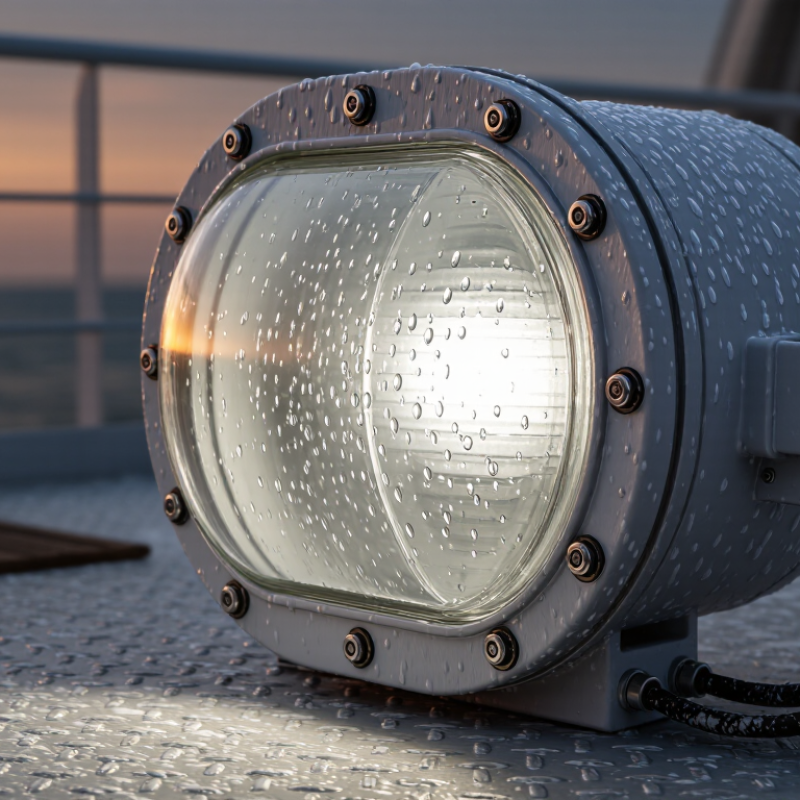
A marine explosion proof light is built for places where ordinary lighting may create an unacceptable ignition risk. On a vessel, that can include designated hazardous areas near fuel handling, cargo operations, or equipment that may release flammable vapors. Its enclosure is designed to contain an internal ignition and limit the chance of flames reaching the surrounding atmosphere. It is not simply a brighter or heavier lamp.

Salt spray beads on the housing. Deck vibration tests every fastener. In confined spaces, heat and moisture can challenge seals over time. These details matter because a light’s suitability depends on its specific design, installation, and certification—not just the words “marine” or “explosion proof” on a product page. A qualified marine electrical professional should check the area classification, supply requirements, mounting position, and maintenance instructions before selection. One detail is easy to miss: a certified fixture can still be used incorrectly.

A verified expert quotation would strengthen this introduction, but no source or expert name was provided. To avoid inventing an attribution, insert a sourced statement here: “[Verified marine electrical expert’s name]: ‘[Exact quotation, confirmed from a reliable source].’” The article can then explain what the fixture protects against, where it belongs, and what its rating does—and does not—guarantee. A light is only one part of a safe system.
What Is a Marine Explosion Proof Light Used For?

What Is a Marine Explosion-Proof Light?

A marine explosion-proof light is a certified luminaire for spaces where flammable gas, vapor, or combustible dust may be present. Its protection design helps prevent an internal fault from igniting the surrounding atmosphere. Some enclosures contain an internal explosion; others limit sparks and surface temperatures. These lights are not simply ordinary lamps with stronger housings. A rugged shell alone is not enough.

On a vessel, they may be used in fuel-handling spaces, pump rooms, or selected cargo areas. Only install them where the hazardous-area classification calls for that protection. UNCTAD’s Review of Maritime Transport 2024 reports that over 80% of world trade by volume is carried by sea. This highlights the scale of maritime operations, but it does not mean every ship space is hazardous. Salt spray, vibration, and heat also matter. A certificate does not remove those practical concerns.

Tips: Check the equipment marking against the area’s gas or dust group, temperature class, and ambient conditions. Inspect seals, cable entries, and the lens for corrosion or damage. A small gap can matter. Have a qualified marine electrician verify selection and installation; paperwork alone can create false confidence.

How Does Marine Explosion-Proof Lighting Prevent Ignition?

What Is a Marine Explosion Proof Light Used For?

How Does Marine Explosion-Proof Lighting Prevent Ignition?

Marine explosion-proof lights illuminate spaces where fuel vapors or flammable gases may collect, such as engine rooms and designated cargo areas. Their protection depends on the specific design and hazardous-area rating. In a flameproof enclosure, an internal fault may ignite gas inside the housing. Narrow joints cool escaping gases, helping prevent flames from reaching the surrounding atmosphere. The enclosure also limits exposed sparks, while its temperature rating helps keep hot surfaces below specified limits. Not magic—correct selection matters.

Tips: Match the light’s hazardous-area rating to the location’s classification, gas group, and temperature requirements. Check cable entries and seals for damage, corrosion, or looseness. Have qualified personnel inspect and install the fixture.

A light can lose protection if its cover is cracked or a cable gland is poorly fitted. Salt spray and vibration make regular checks especially important aboard vessels. Replacement parts must suit the fixture’s certified design; an ordinary gasket may not seal correctly. That detail is easy to miss during a rushed repair. Explosion-proof lighting reduces ignition risk, but it cannot make an unsuitable location safe or replace ventilation and gas monitoring.

Where Are Explosion-Proof Lights Used on Ships?

On a ship, marine explosion-proof lights are used where flammable gases, vapors, or dust may meet electrical equipment. Their robust construction helps prevent an internal spark or heat from igniting the surrounding atmosphere. That matters near fuel. Exact placement depends on the vessel’s hazard assessment and the light’s rating, not simply its location at sea.

Common locations include cargo tank decks, pump rooms, fuel-transfer points, and spaces used to handle flammable cargo. Some paint lockers or battery spaces may also need suitable fixtures, depending on their contents, ventilation, and classification. Engine rooms are not automatically hazardous zones. Only designated areas require this protection; ordinary marine lights may be suitable elsewhere. Poor placement can leave shadows across valves, gauges, and narrow walkways. Small details matter. On older vessels, records may be incomplete; that deserves careful review, not guesswork.

Tips: Check the vessel’s hazardous-area drawings before selecting or replacing a fixture. Confirm its gas group, temperature rating, ingress protection, and mounting method suit the space. Keep lenses clean and inspect seals for corrosion or damage. A rating alone does not make an installation safe; cable entries and maintenance matter too.

Where Are Explosion-Proof Lights Used on Ships?

Explosion-proof (Ex) lights are used in shipboard areas classified as potentially hazardous, such as cargo-handling spaces, tank decks, cargo pump rooms, and fuel-handling areas. The required equipment depends on the vessel’s hazardous-area classification.

How to read this chart: The bar lengths show the relative protection-level order, not measured values. Under IEC hazardous-area concepts, Zone 0 requires EPL Ga, Zone 1 requires EPL Gb, and Zone 2 requires EPL Gc. Examples of shipboard locations vary by vessel and must be confirmed against its hazardous-area plan and applicable rules.

What Hazards Do These Lights Address in Marine Environments?

Marine spaces can hold flammable vapors from fuel, paint, or cleaning products. A small spark near a vapor cloud may ignite it. Explosion-proof lights are designed for specified hazardous areas, such as fuel-handling zones, cargo spaces, and some engine-room locations. Their enclosures help contain an internal ignition or prevent hot components from igniting nearby gases, depending on the protection design. They also control surface temperatures. The exact rating matters; a fixture suited to one gas or temperature class may not suit another.

Moisture and salt create different hazards. Spray can corrode fittings, while condensation may enter damaged seals and cause electrical faults. Vibration can loosen connections over time. These failures can leave work areas dark, making ladders, valves, and wet decks harder to see. That is a real safety concern, not just a maintenance issue.

Still, “explosion-proof” can sound more reassuring than it should. The light does not remove fuel vapors or replace ventilation, gas detection, or careful inspection.

Crews should check the area classification, equipment rating, cable entries, and enclosure condition. A nicked seal may look minor. It may not be.

How Are Marine Explosion-Proof Lights Selected and Installed?

Marine explosion-proof lights illuminate spaces where flammable vapors or combustible dust may be present, such as fuel-handling areas and chemical stores. Their enclosures are designed to contain an internal ignition and limit surface temperatures. Selection starts with the actual hazard assessment, not appearance. Confirm the area classification, gas or dust group, and temperature class using vessel safety documentation and advice from a qualified marine electrical professional. Then check voltage, light output, beam spread, ambient temperature, vibration, and salt-spray resistance. A bright fixture can still be a poor choice if its beam leaves a shadow over a valve or access ladder. Small detail, big consequence.

Installation must follow the fixture’s certification and instructions. Isolate the power and verify it is off before work. Use suitable cable glands and entries for the cable and enclosure, keeping sealing surfaces clean and undamaged. Position the light so crew can service it without blocking escape routes, and secure fasteners using the specified method to withstand vibration. Bonding and grounding matter. Do not drill or modify the housing to simplify installation. After fitting, inspect seals, cable entries, and mounting, then test the light and any applicable emergency circuit. Salt gets everywhere, unfortunately. Record the fixture location and inspection date, and check the installation again after impact, corrosion, or rewiring.

Smart Robotics brand movie

Watch video