Top Distribution Board Manufacturers and Suppliers Worldwide

Selecting a reliable Distribution Board manufacturer requires more than comparing prices and product photographs. A board may look robust, yet its internal layout, enclosure strength, and thermal performance determine daily safety. This guide reviews leading manufacturers and suppliers serving commercial, industrial, and residential markets worldwide. It considers product range, manufacturing experience, testing practices, certifications, and after-sales support.

Details matter. A dependable supplier should explain busbar ratings, short-circuit capacity, ingress protection, and compatible protection devices. Clear technical drawings also help engineers check cable entry, breaker spacing, and maintenance access before installation. Recognized standards, such as IEC or UL requirements, provide useful reference points. However, certification claims should be verified through current documents and accredited sources. Marketing language alone is not enough.

The companies discussed here serve different project needs. Some focus on compact residential consumer units. Others produce custom assemblies for factories, data centers, hospitals, and infrastructure projects. Delivery reach, local service teams, spare parts, and response times can influence the final decision. A low purchase price may become expensive when replacement parts arrive slowly. No ranking is flawless. Supplier information changes, and regional approvals may differ. Buyers should request updated specifications, test reports, warranty terms, and references from comparable installations. A practical evaluation also includes enclosure quality, labeling clarity, wiring workmanship, and the supplier’s ability to provide consistent documentation. These points may seem ordinary, but they often reveal how seriously a manufacturer treats reliability. This overview offers a careful starting point, not a substitute for qualified engineering review.
Top Distribution Board Manufacturers and Suppliers Worldwide

Distribution Boards: Definition, Types, and IEC 61439 Compliance

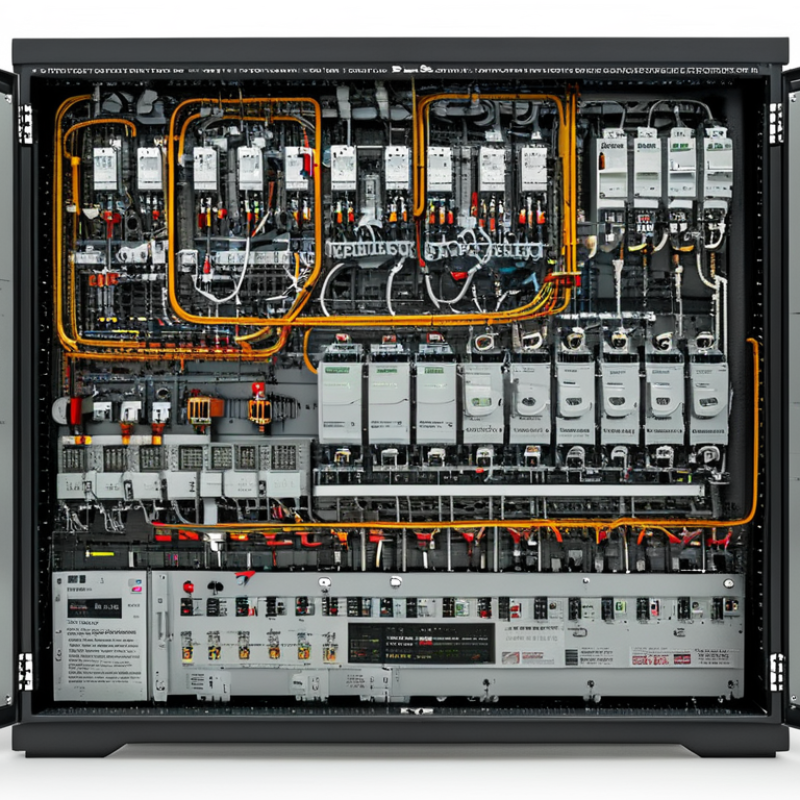
Distribution boardsare assemblies that receive electrical power and divide it into protected outgoing circuits. They normally contain busbars, circuit protection, Switching Devices, terminals, and an enclosure. Their arrangement affects safety, maintenance, and future expansion.

It starts with context.

Common types include main distribution boards, sub-distribution boards, final circuit boards, and outdoor-rated assemblies. A main board may serve an entire facility, while a smaller board feeds lighting, machinery, or office circuits.

Boards can also differ by mounting method, enclosure material, ingress protection, and fault-current capacity.

That detail matters.

IEC 61439 sets requirements for low-voltage switchgear and controlgear assemblies.

It addresses design verification, routine verification, temperature rise, short-circuit withstand, clearances, creepage distances, mechanical strength, and protection against electric shock. Compliance is not simply a printed claim. The assembly design, components, wiring, and test records must support it.

Suppliers should provide clear technical data, ratings, verification evidence, installation limits, and inspection procedures.

A competent manufacturer also checks site conditions, including ambient temperature, cable entry, ventilation, and expected load diversity.

In practice, selection is less perfect than catalogues suggest. A board rated for current may still fail operational needs if heat, access, or spare capacity is ignored. Engineers should review drawings and test documents carefully. One overlooked terminal can delay commissioning. Experienced suppliers explain these limitations instead of hiding them. Their advice should remain specific, traceable, and suitable for the actual installation.

Global Market Scope: Low-Voltage Boards Rated Up to 1,000 V AC

Top Distribution Board Manufacturers and Suppliers Worldwide

The global market for low-voltage distribution boards covers equipment rated up to 1,000 V AC. These boards manage power in factories, offices, hospitals, and commercial buildings. Experienced buyers examine more than price. They check busbar materials, enclosure strength, terminal access, and documented testing. A reliable board should show clear circuit labels and stable connections after repeated maintenance.

Suppliers should provide technical drawings, rated current data, short-circuit withstand values, and temperature-rise results. Protection against dust and moisture also matters, especially in workshops or outdoor cabinets. IP ratings must match the installation environment. During site inspections, engineers often check cable bending space and torque markings. Small details can prevent overheating. However, specifications alone cannot guarantee field performance. Installation quality, ventilation, and maintenance still influence service life.

Tips: Compare suppliers by verified test reports, production controls, warranty terms, and technical support. Request a sample layout before ordering. Check whether breakers, busbars, and neutral terminals fit your operating needs. Do not ignore spare capacity. A board filled on day one may create future problems. In some projects, buyers focus too heavily on appearance and forget heat management. That mistake deserves careful review.

Leading Manufacturers: Product Capacity, Certifications, and Regional Reach

Top distribution board manufacturers differ in capacity, certification depth, and regional support. Buyers should examine these factors together.

Experienced manufacturers usually offer boards for residential, commercial, and industrial applications. Their product ranges may cover compact panels, motor control boards, and high-current switchboards. Rated currents can extend from small domestic loads to several thousand amperes. This range indicates engineering capacity, but it does not prove consistent quality. Factory audits, sample inspections, and documented testing remain important. I have found that clear drawings often reveal more than polished sales language. Details matter.

Certifications should match the destination market and board type. Common references include IEC 61439, ISO 9001, and regional safety approvals. Verify certificate scope, testing dates, and the exact production site. A certificate alone is not enough. Manufacturers with temperature-rise, dielectric, short-circuit, and ingress-protection testing show stronger technical control. Still, some published test data can feel incomplete. Ask for independent reports and traceable component records.

Regional reach depends on more than export volume. Reliable suppliers provide local documentation, wiring standards, spare parts, and responsive engineering support. They should understand differences in voltage, frequency, enclosure ratings, and inspection procedures. Shorter delivery routes may reduce risk, while nearby service teams can solve commissioning problems faster. However, global coverage can create uneven support quality. Confirm response times before signing. That small check can prevent expensive delays.

Top Distribution Board Manufacturers and Suppliers Worldwide

Product capacity, certification frameworks, and regional reach vary by market. The chart compares published rated-current scope benchmarks in widely referenced distribution-board standards.

How to read the chart: IEC 61439-3 covers distribution boards with an assembly rated current up to 250 A and outgoing circuits up to 125 A. UL 67 and NEMA PB 1 commonly cover panelboards rated up to 1,200 A and 600 V or less in their applicable North American scope. These are standard-scope benchmarks, not claims about any specific manufacturer, product certification, or installed market share. Actual product ratings depend on design, enclosure type, protective devices, temperature rise, short-circuit performance, and local approval requirements.

Supplier Evaluation: IP Ratings, Short-Circuit Ratings, and IEC 60947-2

Choosing a distribution board supplier requires more than comparing prices and enclosure photos. IP ratings show resistance to dust and water, but the stated rating must match the complete assembly. Check the door, cable glands, ventilation, and installation position. An IP54 enclosure may perform poorly after an unsealed cable entry. Small details matter.

Short-circuit performance deserves closer attention. Ask for the rated short-circuit breaking capacity, Icu, and the service breaking capacity, Ics, of the selected circuit breakers. Confirm the prospective fault current at the installation point. A board rated for 25 kA may be unsuitable where the available fault current reaches 36 kA. Request test evidence for the actual configuration, including busbars, protective devices, and connection methods.

IEC 60947-2 compliance supports a reliable evaluation of circuit breakers, but it should not replace engineering judgment. Review type-test documents, routine inspection records, temperature-rise data, and coordination studies. Verify whether the supplier understands selectivity and backup protection, not only certificate wording. In practice, documentation can look complete while key accessories remain untested. That is a warning sign. I would also inspect labeling, torque guidance, creepage distances, and spare capacity. These checks take time. They prevent costly assumptions. Supplier quality is measurable, yet field conditions can expose weaknesses that laboratory tests do not fully reveal.

Worldwide Selection Guide: Quality, Customization, Lead Times, and Service

Selecting distribution board manufacturers worldwide requires more than comparing prices. Quality begins with documented design control, tested assemblies, and traceable materials. IEC 61439 verification covers temperature rise, short-circuit withstand, clearances, and mechanical performance. Ask for test records, not marketing promises. The IEA’s Electricity 2024 report forecasts global electricity demand growth of about 4% in 2024 and 2025. Rising demand increases pressure on safe, dependable low-voltage equipment.

Customization should match the site, not merely the catalog. Confirm enclosure dimensions, busbar ratings, protection devices, cable entry direction, IP rating, and available space. A supplier should provide drawings before production. Lead times also need practical review. Check component availability, factory capacity, inspection stages, and shipping routes. A short quoted lead time may exclude approval delays. Service matters after delivery. Request commissioning guidance, spare-part support, fault response times, and clear warranty terms. A lower price still tempts buyers. That is where judgment can fail.

Tips: Compare three written quotations using the same technical schedule. Require a sample drawing and inspection plan. Record promised dates, exclusions, and responsible contacts. Independent inspection can expose labeling errors, loose connections, or unsuitable enclosure details. In my experience, these small defects create larger delays onsite. Supplier claims should remain open to review, especially when specifications change.

Smart Robotics brand movie

Watch video