Choosing the right Aluminum Profile For Pergola affects strength, appearance, drainage, and long-term maintenance. A profile may look elegant in a showroom. It may still twist under wind, sag across a wide span, or collect water around its joints. The correct choice begins with the project’s climate, dimensions, roof type, and expected loads.
Aluminum extrusion consultant Michael Chen puts it clearly: “A pergola profile should carry the climate, the span, and the details—not merely the roof.” His advice reflects a practical reality. Profiles made from 6063 aluminum are common because they offer good corrosion resistance, clean surfaces, and reliable extrusion performance. T5 and T6 tempers can improve structural behavior, but temper alone does not guarantee safety. Wall thickness, cross-section shape, connection design, and support spacing matter just as much.
Look closely at the details. A hollow beam with internal ribs may resist bending better than a heavier-looking plain tube. Powder coating should suit strong sunlight, coastal air, and frequent rain. Drainage channels must guide water away from ceilings, walls, and electrical fittings. Thermal expansion also deserves attention, especially on long roof members. Small gaps can become visible problems later.
There is no universal “best” profile. That is easy to say, but easy to forget. A coastal pergola needs different protection from a dry inland structure. A narrow garden cover may need less material than a large freestanding roof. This guide explains how to compare profiles carefully, question supplier claims, and balance appearance with measurable performance. Local building requirements and professional load calculations should always confirm the final selection.
How to Choose Aluminum Profile for Pergola?
Understand the Structural Role of Aluminum Profiles in a Pergola
An aluminum profile is the pergola’s load-carrying skeleton. It supports the roof, transfers wind forces, and keeps the frame aligned. Choosing by appearance alone is a common mistake.
Start with the clear span, roof weight, and local wind or snow loads. Longer spans usually need deeper profiles or internal reinforcement. A slim beam may look elegant, but excessive deflection can cause water pooling, noisy movement, or damaged connections. Check both strength and stiffness.
Connections matter just as much. Bolts, brackets, and corner joints must match the profile thickness and expected loads. Poorly supported joints can fail before the main beam. Use profiles with adequate wall thickness, especially around fastener locations. Keep drainage paths open, because trapped water can accelerate corrosion near cut edges.
Thermal movement also deserves attention. Aluminum expands and contracts with temperature changes. Slotted holes or suitable movement details can reduce stress in larger structures. This detail is often overlooked.
A practical review should include the foundation, post spacing, beam orientation, and roof accessories. If the pergola carries screens, louvers, or lighting, include their weight early. I would not finalize a profile from a catalogue image. Have the design checked against local building requirements and project-specific loading conditions. Small errors become expensive later.
Choosing an aluminum profile for a pergola starts with its size, span, and location. A small garden canopy may use lighter rafters, while a six-meter span needs deeper sections and stronger connections. Profile appearance can mislead. Wall thickness, alloy, temper, and section geometry affect bending and deflection. The Aluminum Association’s Aluminum Design Manual 2020 provides design methods for these variables, rather than relying on visual judgment.
Wind often controls the design. ASCE 7-22 requires site-specific wind speed, exposure, enclosure, and roof geometry checks. Uplift can loosen poorly anchored posts, even when the roof feels lightweight. Snow matters too. Local ground-snow maps and roof-shape factors determine the applied load. NOAA’s 1991–2020 Climate Normals can help identify local precipitation, temperature, and storm patterns, but they should not replace structural calculations. Coastal sites need extra attention to salt exposure and drainage.
Do not ignore hanging lights, fans, privacy screens, or climbing plants. They increase both weight and wind resistance. For long profiles, thermal movement also deserves a detail review; aluminum expands noticeably across hot and cold seasons. I would specify compatible fasteners, isolated dissimilar metals, and footings sized for overturning. A common mistake is selecting the profile first and checking the structure later. That approach looks efficient, but it can produce excessive deflection, rattling joints, or expensive changes. When conditions are uncertain, a qualified local engineer should verify the final profile and anchorage.
A pergola profile should be selected by load, span, and exposure, not appearance alone. The Aluminum Association’s Aluminum Standards and Data tables show that 6061-T6 generally offers far greater yield strength than 6063-T5. Typical values are about 240 MPa for 6061-T6 and roughly 100 MPa for 6063-T5, although thickness and extrusion shape can change results. Use 6061-T6 for highly loaded connectors or long beams. Choose 6063-T5 when smooth surfaces, easier extrusion, and moderate loads matter more.
Shape controls stiffness.
A rectangular hollow section usually resists bending better than a flat bar with similar weight. For a small residential pergola, a 100 × 100 mm post may work, but a 150 × 50 mm beam can deflect noticeably across a long span. Wall thickness matters too; 3 mm may be adequate for secondary members, while primary beams often need thicker walls or internal reinforcement. Local wind, snow, drainage, and anchoring conditions must be checked by a qualified engineer. A profile that feels rigid by hand can still sway outdoors.
Tips: Compare section modulus, not only outer dimensions. Request mill certificates and temper details. Check the actual span. I often see attractive profiles chosen too early; that is a costly mistake. The International Aluminium Institute’s lifecycle reports also emphasize aluminum’s high recyclability, but recycled content does not automatically prove structural suitability. Verify the alloy, temper, dimensions, and design load before ordering.
How to Choose Aluminum Profile for Pergola?
A pergola near the coast needs more than an attractive aluminum profile. Salt air can attack weak pretreatment and exposed connections. Choose profiles with a properly cleaned and chemically pretreated surface before coating. Powder coating provides many colors and a tough finish for outdoor use. Anodizing creates a metallic appearance and protects the aluminum oxide layer. However, anodized surfaces offer fewer color choices and may show scratches more clearly.
Color affects comfort as well as appearance. Dark gray or black profiles can become noticeably hot under direct summer sunlight. Lighter colors reflect more heat and often keep the frame cooler to touch. White looks clean, but dust and water marks may become visible around roof joints. Request a finish sample and inspect it outdoors, not only under showroom lighting. Small differences can matter.
Corrosion protection also depends on installation details. Use compatible stainless-steel fasteners and separate dissimilar metals with suitable insulating washers. Keep drainage paths open, especially around post bases and concealed channels. Rinse the frame periodically if the pergola stands near seawater or roads treated with salt. I once underestimated the effect of trapped water inside a profile; the coating looked sound, yet corrosion appeared around a blocked drain. That mistake changed my inspection checklist. Check cut edges, joints, and touch-up areas carefully. No finish is maintenance-free.
| Selection Dimension | Recommended Option | Typical Characteristics | Corrosion Protection | Color and Appearance | Maintenance Requirement | Best Application |
|---|---|---|---|---|---|---|
| Natural Anodized Finish | Anodized Aluminum | Electrochemically thickens the natural aluminum oxide layer. Provides a metallic appearance and a hard, durable surface. | High Suitable for normal outdoor exposure when the finish is properly specified and maintained. | Silver, light bronze, medium bronze, dark bronze, and similar metallic tones. Color variation may occur between production batches. | Clean periodically with clean water and a mild, pH-neutral detergent. Avoid abrasive pads and strong alkaline cleaners. | Residential pergolas, patios, gardens, and areas where a metallic architectural appearance is preferred. |
| Powder-Coated Finish | Exterior Powder Coating | Dry powder is electrostatically applied and cured to form a continuous decorative and protective coating. | High Performance depends on coating quality, pretreatment, film thickness, and exposure conditions. | Available in many solid, textured, and matte colors. Dark colors generally absorb more solar heat than light colors. | Wash with water and a mild detergent. Inspect for scratches, chips, and coating damage, especially near fasteners and cut edges. | Most residential and commercial pergolas requiring a broad color selection and a uniform finish. |
| Wood-Effect Powder Coating | Decorative Wood-Look Finish | Uses a printed or textured coating system to reproduce the visual character of timber without the maintenance associated with natural wood. | High Requires a coating system intended for exterior use and correct surface pretreatment. | Common visual options include oak, walnut, teak, and other wood-inspired patterns. Each profile may have slight pattern variation. | Use a soft cloth, water, and mild detergent. Do not use solvents, abrasive cleaners, or sharp tools on the surface. | Projects seeking a warm wood appearance with aluminum’s dimensional stability and low maintenance. |
| Bright or Polished Surface | Polished Aluminum | Creates a reflective surface with a smooth, decorative appearance. The finish can reveal scratches and handling marks more easily. | Medium Additional anodizing or clear protective treatment is advisable for demanding outdoor environments. | Bright silver or reflective metallic appearance. Surface uniformity depends on alloy, polishing process, and installation handling. | Clean gently and frequently. Remove dirt, salt deposits, and pollutants before they accumulate. | Decorative details, sheltered areas, and designs where a reflective metallic effect is required. |
| Mill Finish | Unfinished Aluminum | Aluminum is supplied without an architectural anodized or painted finish. The appearance may include normal extrusion marks and shade variation. | Medium Aluminum forms a natural oxide layer, but the surface is less protected against staining, weathering, and abrasion than coated finishes. | Usually silver-gray with a utilitarian industrial appearance. It may weather unevenly over time. | Requires regular cleaning in polluted, coastal, or high-humidity locations. Protect exposed surfaces from cement, mortar, and incompatible metals. | Temporary structures, concealed components, sheltered locations, or projects where appearance is not a primary concern. |
| Color Selection | Light or Medium Colors | Generally show less solar heat absorption than dark colors and may help reduce surface temperature under strong sunlight. | High Corrosion resistance is mainly determined by the selected finish and pretreatment rather than color alone. | White, light gray, beige, silver, and medium earth tones are common choices for visually lighter structures. | Clean according to the coating or anodizing requirements. Confirm the color standard and acceptable batch variation before production. | Hot climates, large roof areas, and pergolas where a lighter visual mass is desired. |
| Color Selection | Dark Colors | Provide strong visual contrast and can complement contemporary architectural designs. Dark surfaces may become hotter in direct sunlight. | High Use an exterior-grade finish and pay close attention to coating damage during transport and installation. | Black, charcoal, dark bronze, and deep gray are frequently selected for modern designs. | Clean regularly because dust, water spots, and scratches may be more visible. Avoid placing hot or abrasive objects against the finish. | Modern residential and commercial pergolas, especially when matching dark window frames or outdoor furniture. |
| Coastal or Salt-Laden Environment | Enhanced Pretreatment and Exterior Finish | Salt spray and airborne chlorides can accelerate surface degradation and corrosion of aluminum and connected hardware. | High when properly specified Use a suitable pretreatment and exterior coating or anodizing system. Select corrosion-resistant fasteners and isolate dissimilar metals. | Any approved exterior color may be used, provided the coating system is suitable for the exposure category. | Rinse exposed surfaces with fresh water regularly, especially after salt deposits appear. Inspect joints, fasteners, drainage points, and cut edges. | Seaside homes, waterfront hospitality areas, marinas, and locations exposed to sea air. |
| High-Humidity or Industrial Environment | Durable Exterior Coating System | Moisture, pollutants, chemicals, and airborne contaminants can affect the coating and accelerate corrosion at damaged areas. | High when correctly engineered Specify suitable pretreatment, coating performance, drainage, and compatible accessories for the environment. | Choose a color and gloss level that support inspection and cleaning. Textured finishes can help reduce the visibility of minor marks. | Establish a scheduled cleaning and inspection program. Remove chemical residues and standing water promptly. | Industrial zones, humid regions, covered swimming-pool areas, and commercial outdoor installations. |
| Galvanic Corrosion Prevention | Compatible Hardware and Isolation | Direct contact between aluminum and certain dissimilar metals in the presence of moisture can create galvanic corrosion. | Essential design measure Use compatible fasteners, nonconductive separators, suitable sealants, and correct drainage details where required. | Does not determine the visible color, but prevents staining and premature damage around connections. | Inspect fasteners, brackets, joints, and cut edges. Replace damaged protective components and keep interfaces clean and dry. | All outdoor pergolas, particularly projects combining aluminum with steel, stainless steel, copper, or treated timber. |
| Profile Geometry and Drainage | Profiles with Proper Water Management | Drainage paths, sealed joints, and correctly oriented profiles reduce water retention and help protect internal surfaces and connections. | Supports long-term protection Finish selection should be combined with correct detailing, sealing, ventilation, and water drainage. | Does not change the color, but helps preserve the appearance by reducing staining and dirt accumulation. | Keep drainage openings clear. Check sealants and joint covers during routine maintenance. | Rain-exposed roofs, louvered pergolas, regions with heavy precipitation, and installations with concealed gutters. |
| Overall Selection Priority | Finish + Exposure + Maintenance | The best aluminum profile is selected by evaluating alloy, profile design, surface finish, local climate, installation details, and cleaning access together. | Application-dependent No finish eliminates the need for correct design, compatible materials, drainage, and periodic inspection. | Confirm samples, gloss level, texture, and acceptable color tolerance before approving production. | Follow the finish supplier’s care instructions and repair scratches or coating damage as soon as practical. | Any pergola project where service life, appearance, and lifecycle cost are important. |
| Important specification note: Final performance depends on the aluminum alloy, surface preparation, coating or anodizing system, local exposure, profile design, fastener compatibility, installation quality, and maintenance schedule. For coastal or industrial projects, request documented exterior-performance data and confirm the finish requirements before fabrication. | ||||||
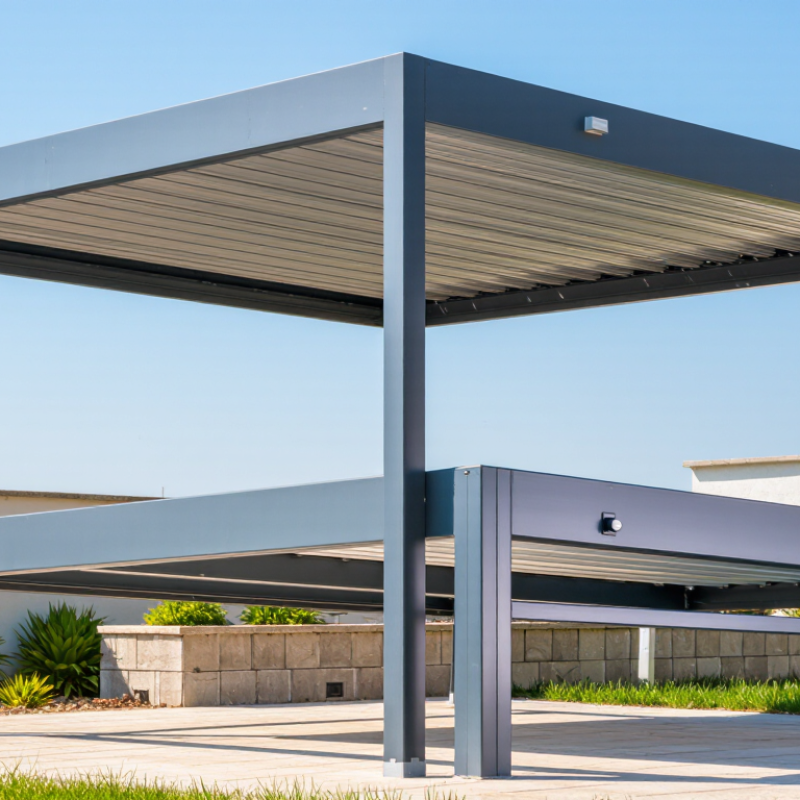
Verify installation requirements before comparing profile thickness or surface finishes. Start with the local building code and the pergola’s intended span. ASCE 7-22 requires wind, snow, and seismic loads to reflect the project site. A coastal roof may need stronger sections, deeper anchoring, and corrosion-resistant fasteners. Do not rely on a catalog span chart alone. Soil, footing depth, drainage, and nearby walls can change the load path. In practice, a profile that feels rigid by hand may still twist under uplift.
Safety depends on the complete system. Check whether the extrusion meets ASTM B221 requirements for aluminum structural shapes. Ask for alloy, temper, wall thickness, and test documentation. The International Code Council’s 2024 residential guidance also emphasizes anchorage and connections, not only frame strength. Use engineering review for large spans or attached structures. This step is often skipped. That is a costly weakness. The Aluminum Association reports that nearly 75% of aluminum ever produced remains in use, supporting its long service potential when properly maintained.
Tips: Keep water moving away from base plates. Separate aluminum from incompatible metals with suitable isolators. Inspect bolts, sealants, and coatings twice yearly. Look for white powder, staining, loose joints, or blocked drainage. Clean with mild soap, not abrasive tools. Maintenance needs may be modest, but they are not zero. Reference sources: ASCE 7-22, ASTM B221, International Code Council 2024 guidance, and Aluminum Association industry data.
Watch video