Ultimate Home Robot Tips for a Smarter Living Space?
In today's fast-paced world, integrating a home robot into daily life can revolutionize the way we manage our living spaces. As Dr. Emily Zhang, a renowned expert in robotics, states, "A home robot is not just a gadget; it becomes part of your family." This perspective highlights the deepening relationship between humans and technology.
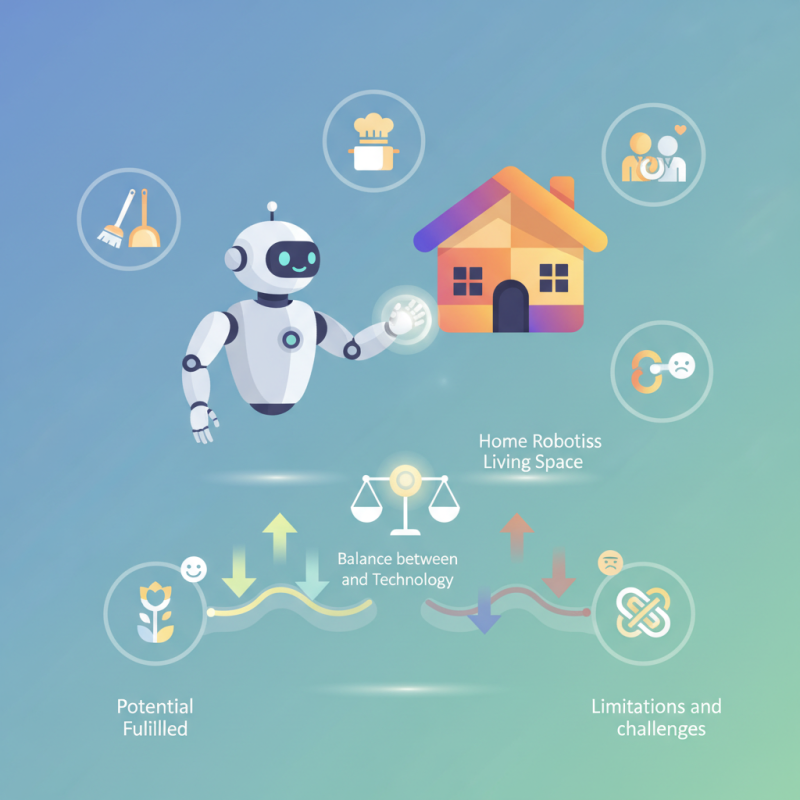
Home robots now possess incredible capabilities. They can clean, cook, and even provide companionship. Yet, there are challenges. Many users struggle with operational complexities. Some find that their robots do not meet expectations. This raises questions about the balance between convenience and technology.
As we strive for smarter living, it’s crucial to assess how we interact with our home robots. Are we embracing their potential fully, or are we left disappointed by their limitations? Finding that balance can lead to a more enriching experience at home.
Understanding the Role of Home Robots in Modern Living Spaces
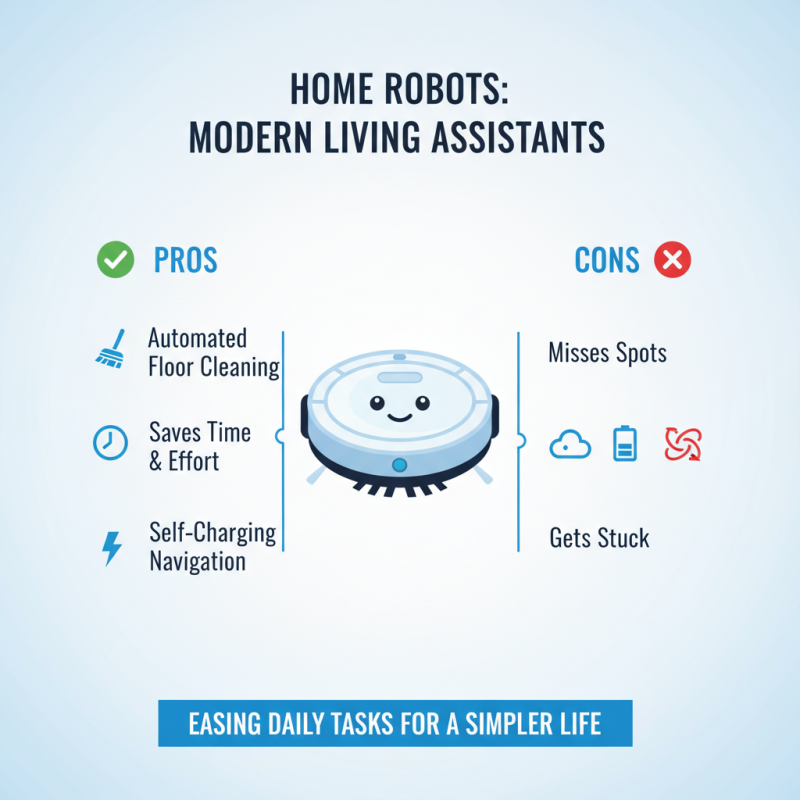
Home robots are becoming a vital part of modern living spaces. These devices assist with daily tasks, making life easier for many. Robotic vacuum cleaners help keep floors clean without manual effort. They can navigate around furniture and return to their charging stations when low on battery. However, they sometimes miss spots or get stuck in tight spaces.
While robots can offer convenience, they are not perfect. For instance, robotic mops may leave streaks on floors. They require consistent maintenance and regular cleaning to function well. People often forget to empty dustbins or clean sensors. This negligence can hinder performance and lead to frustrating experiences. Even smart home security robots can fail. They may not recognize familiar faces or alert homeowners promptly.
In addition, integrating robots into the home can be a challenge. Sometimes, they cannot communicate effectively with other devices. Homeowners must ensure compatibility, which complicates setup. Overall, the role of home robots is significant but comes with limitations. Reflecting on their effectiveness helps improve smart living spaces.
Types of Home Robots: From Vacuum Cleaners to Smart Assistants
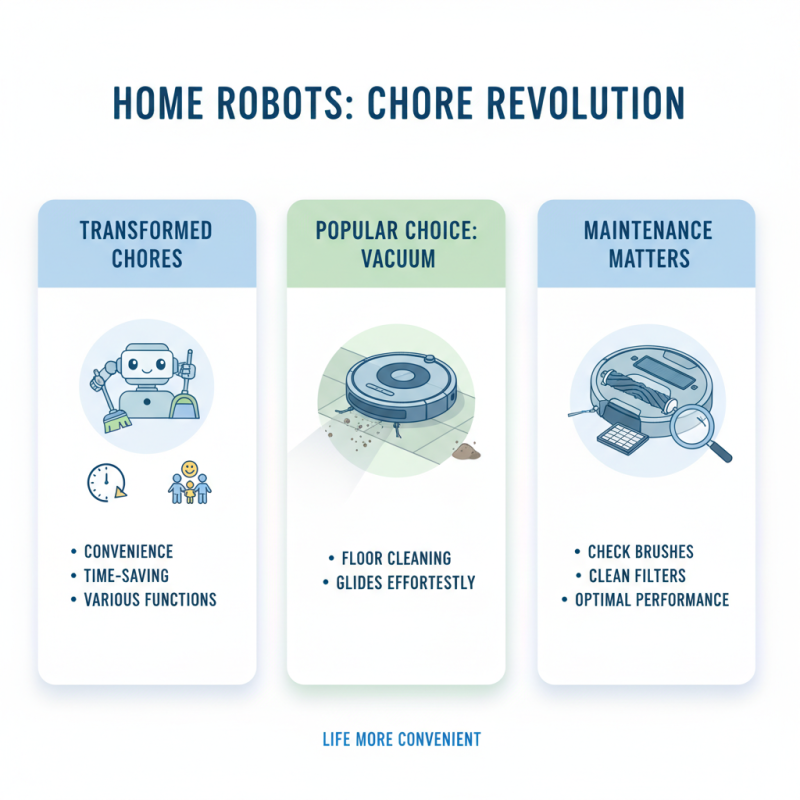
Home robots have transformed how we manage daily chores, making life more convenient. These devices range widely in function, from cleaning to assisting with daily tasks. Vacuum cleaners are among the most popular. They glide across floors, picking up dirt and dust effortlessly. However, they can miss corners and require regular maintenance. It's important to check their brushes and filters to ensure they work effectively.
Smart assistants are another category worth mentioning. These compact devices can play music, control smart home gadgets, and answer questions. They bring a level of interactivity that can enhance your living space. Still, they often misunderstand commands. Getting the most out of them requires patience and occasional reprogramming. Don't expect them to perform perfectly all the time.
Moreover, robotic lawn mowers are gaining popularity as well. They trim grass and navigate your yard autonomously. Yet, many struggle with uneven terrain and require human intervention in tricky areas. Each type of home robot offers unique benefits but also presents challenges that users need to address. Balancing convenience with technology's occasional shortcomings is key to enhancing your smart living space.
Integrating Home Robots with Smart Home Systems for Efficiency
Integrating home robots with smart home systems can greatly enhance daily life. According to a 2022 report by the International Federation of Robotics, around 60% of households have considered utilizing robots for chores. This interest aligns with the desire for efficiency in busy lives. Picture a scenario where a vacuum robot syncs with a smart speaker. You can command it to clean while cooking dinner. Simple, right?
Yet, the integration can have hiccups. Not all devices communicate seamlessly. Data from a Smart Home Association study revealed that 40% of users encountered compatibility issues. Setting up a robot to work with a different system may require several attempts. This can be frustrating. It's essential to research your devices. Check reviews about integration before purchasing. We can all learn from those early adopters who faced the same issues.
Moreover, not every family has positive experiences. Some homeowners reported robots not performing tasks as expected. A comparative market analysis by tech experts showed that while robots save time, some users were disappointed with their efficiency. Home automation is still evolving, and staying informed can make a difference. Adjusting expectations and exploring user guides can lead to better outcomes.
Ultimate Home Robot Tips for a Smarter Living Space
Maintenance Tips to Keep Your Home Robot Running Smoothly
Keeping your home robot in good shape is essential for optimal performance. Regular cleaning of its sensors and brushes can enhance its efficiency. Dust and debris can affect its navigation. Make sure to check the filters and replace them if needed. A clean robot means a cleaner home.
Battery health is another critical aspect. Robots often have a limited lifespan for their batteries. Frequent charging can wear them out quicker. Make it a habit to allow a full charge cycle occasionally. This helps maintain battery longevity. However, overcharging should be avoided. It may strain the battery over time.
Software updates are pivotal too. Many robots need updates to improve features. Ignoring updates can lead to bugs or reduced functionality. Occasionally, a reboot can resolve minor issues. Keep track of how often you perform maintenance tasks. This will help you spot patterns and areas for improvement.
Maximizing the Benefits of Home Robots for a More Organized Home
In today's fast-paced world, home robots are transforming the way we live. These devices can assist with various chores, keeping our spaces organized and enhancing our daily routines. Imagine a vacuum robot gliding across your floors while you relax with a book. This convenience can significantly reduce cleaning time but requires occasional maintenance. Regularly checking your robot's dustbin is essential. If ignored, it can lead to subpar performance.
Organizing your home becomes easier with the right robots in place. Robots can help with sorting laundry or tidying up. However, they are not infallible. Sometimes, their sensors misinterpret clutter, leading to missed spots. It's important to remain aware of their limitations. Utilizing voice commands can make interaction seamless, but understanding specific phrases takes practice.
Smart home devices can provide a level of comfort and efficiency. Yet, they may also create dependency. A well-structured routine must accompany their use. Relying solely on automation can lead to disarray when devices malfunction. Staying engaged with your space fosters a balance between technology and personal input. Finding the right rhythm can enhance your organized living environment while embracing technology’s potential.
Ultimate Home Robot Tips for a Smarter Living Space
| Robot Type |
Primary Function |
Benefits |
Ideal Use Case |
| Vacuum Robot |
Floor Cleaning |
Saves time, consistent cleaning, reduces allergens |
Daily cleaning of hardwood or carpeted floors |
| Mopping Robot |
Floor Mopping |
Deep cleaning, eliminates stains, saves effort |
Weekly cleaning of tiled or hard surface floors |
| Window Cleaning Robot |
Window Cleaning |
Streak-free shine, reaches high places safely |
Cleaning large house windows or high-rise apartment windows |
| Pet Grooming Robot |
Pet Grooming |
Reduces pet hair in the home, lessens grooming time |
Regular grooming of shedding pets |
| Smart Home Assistant |
Voice Control & Automation |
Hands-free control, connects devices, schedule management |
Managing daily tasks, controlling smart devices |