Ethan Technology: 2026 Electronic Cigarette Pen Regulations for Global Buyers
The electronic cigarette pen market isn't just about the pens themselves, honestly. It's shaped by a bunch of things—changing product standards, what consumers actually want, and the rules different countries put in place. Grand View Research put the global e-cigarette market at around $26.7 billion in 2023, and they expect it to keep growing through 2030. But that number covers the whole e-cigarette category, not just pen-style devices. Honestly, that signals commercial interest, not permission to sell. Public health evidence matters here too. In 2024, the World Health Organization reported that more than 100 million people around the world vape, including at least 15 million teens aged 13 to 15. So if you're buying, age controls, clear product information, and responsible distribution should be front and center. A market estimate can't take the place of a safety review — and a supplier's word alone definitely doesn't replace actual documentary checks.
Planning for 2026? If you're buying globally, you really need to check requirements market by market—what works in one country might not work in another. Regulations can cover a lot of ground: ingredients, nicotine limits, labeling, packaging, product registration, advertising, and import paperwork. And they're not set in stone, so don't assume yesterday's rules still apply. Before placing any orders, make it a habit to confirm current requirements with official regulators and local advisers who know the drill. Oh, and keep dated records—specs, test results, supplier declarations—all of it. Trust me, you'll thank yourself later. You'd be surprised how much the little stuff matters—like a label translation or a battery document holding up an entire shipment. Rules vary from place to place, too, and no summary can cover everything. Think of this guide as a helpful starting point, not legal advice. Even if you're a careful buyer, it's worth revisiting your assumptions when the guidance shifts.
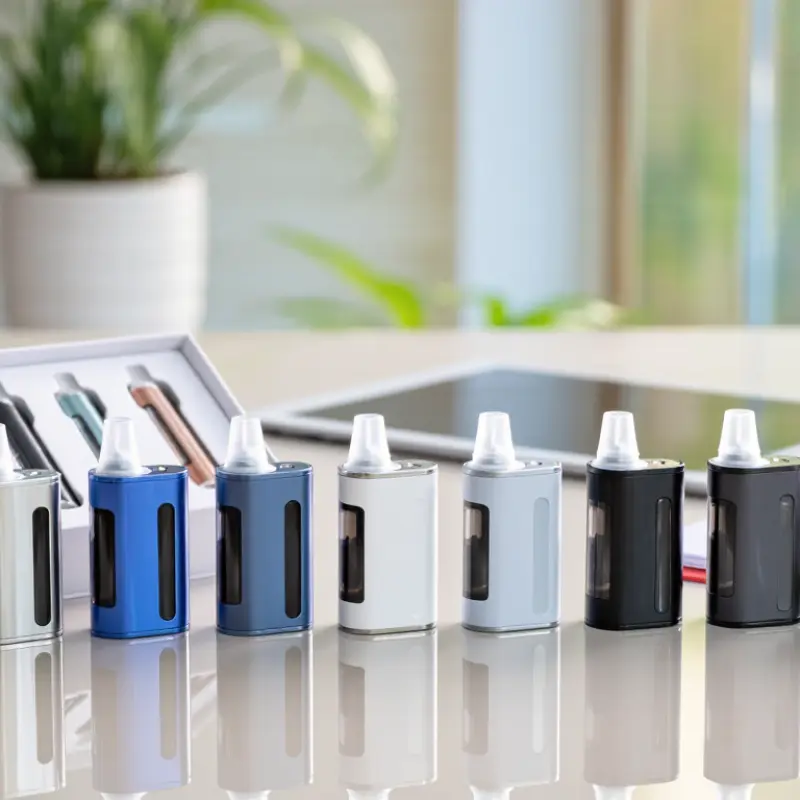
Table of Contents [Hide]
Defining Electronic Cigarette Pens and Their Regulatory Scope in 2026
In 2026, “electronic cigarette pen” is not a single, universal regulatory category.The term commonly describes a pen-shaped, battery-powered device that heats a liquid to create an inhalable aerosol. A typical unit has a rechargeable battery, a heating element, and a refillable tank or replaceable cartridge. Some products contain nicotine; others do not. Shape alone does not determine how authorities classify a device. The liquid, intended use, and product claims can matter too.
Details matter. For global buyers, scope may cover the device and its separate components, as well as the liquid supplied with it. Depending on the destination, requirements may address electrical safety, ingredient disclosures, packaging, warnings, sales, or import documentation. A “Vape Pen” listing is not enough to establish that a product meets local rules. Buyers should check current guidance from the relevant regulator and confirm specifications with qualified compliance professionals before placing orders. Rules can change, and public guidance may leave edge cases unclear. That uncertainty deserves attention, not a guess based on another market’s standards.
Identifying How Product Design Affects Legal Classification
A pen-shaped device is not automatically classified by its silhouette. Regulators may consider its intended use, nicotine formulation, refill system, and product claims. A therapeutic claim can prompt a different review from a consumer-use claim. Details matter. The European Union’s Tobacco Products Directive sets specific limits: nicotine liquid may contain up to 20 mg/ml, while refill containers are limited to 10 ml. These measurements show how small design choices can affect market requirements.
Classification also varies between destinations. The WHO’s 2023 global tobacco epidemic report recorded 121 countries with some form of e-cigarette regulation, reflecting a fragmented rulebook for global buyers. A replaceable cartridge, sealed pod, or adjustable liquid capacity may trigger different product rules or documentation needs. Buyers should map each model’s specifications against current local requirements before approving packaging or production. A checklist helps, but it cannot capture every national interpretation. Even product descriptions deserve review: wording about intended use may influence how authorities assess a device. WHO and European Commission materials are useful starting points, not substitutes for jurisdiction-specific professional advice.
2026 Electronic Cigarette Pen Regulations for Global Buyers - Identifying How Product Design Affects Legal Classification
Design-focused regulatory snapshot for selected markets
| Product design factor | European Union | United Kingdom | United States | Canada |
|---|---|---|---|---|
| Nicotine source and intended use | Nicotine-containing e-cigarettes fall under the Tobacco Products Directive rules. Products presented for medicinal purposes may instead be subject to medicines legislation. National rules may also cover nicotine-free products. | Nicotine-containing products are generally regulated under the UK’s tobacco and related products rules. A product presented for a medicinal purpose may fall under medicines regulation; check the intended-use claims and applicable route. | Federal tobacco-product regulation covers e-cigarettes containing nicotine from any source when intended for human consumption. Product composition and intended use matter; therapeutic claims can bring drug or device requirements into consideration. | Consumer vaping products are regulated under federal vaping-product rules. Products promoted for therapeutic purposes may be regulated as drugs or medical devices under a different authorization pathway. |
| Nicotine concentration | Nicotine-containing e-liquids are limited to 20 mg/mL. A higher-strength formulation does not meet the standard TPD consumer-product limit. | The consumer-product limit is 20 mg/mL for nicotine-containing e-liquids, in line with the UK’s tobacco and related products requirements. | There is no general federal 20 mg/mL limit equivalent to the EU or Canadian cap. Federal marketing authorization requirements still apply, and state or local rules may add restrictions. | The federal maximum nicotine concentration for vaping products is 20 mg/mL. Design and labeling should be checked against the applicable federal packaging rules as well. |
| Cartridge, tank and refill-container capacity | For nicotine-containing products, tanks and cartridges are limited to 2 mL; refill containers are limited to 10 mL. These limits can affect pod dimensions and refill-pack design. | The corresponding consumer-product limits are 2 mL for tanks or cartridges and 10 mL for refill containers containing nicotine e-liquid. | There is no equivalent general federal tank or refill-volume cap. State and local restrictions, product authorization conditions, and other applicable rules should be checked. | No equivalent general federal 2 mL tank or 10 mL refill-container limit applies. Packaging, labeling, provincial and territorial requirements may still affect the market-ready design. |
| Disposable versus reusable construction | The TPD’s nicotine-product rules do not create a general EU-wide ban on disposable e-cigarettes. Individual Member States may adopt additional restrictions, so verify the destination country. | Since 1 June 2025, the sale and supply of single-use vapes are prohibited across the UK. Rechargeability, refillability and whether key parts can be replaced can determine whether a device is treated as single-use. | Disposable or reusable construction does not by itself create a separate federal product category. FDA requirements and applicable state, local and waste-disposal rules still need review. | Disposable design does not by itself remove a product from federal vaping-product controls. Provincial and territorial rules can impose additional restrictions, including on product sales or features. |
| Child resistance, leakage and labeling | Nicotine products must meet applicable safety, packaging, warning and information requirements, including child-resistant and tamper-evident packaging and protection against leakage during refill. | Applicable requirements include child-resistant and tamper-evident packaging, prescribed health warnings and product information. Design the container and refill mechanism to meet these requirements. | FDA labeling and other federal requirements apply to regulated products; child-resistant packaging requirements may also apply under federal law. Check product-specific and state requirements before sale. | Federal rules include packaging and labeling requirements, including child-resistant packaging and prescribed nicotine-related warnings. Verify the current requirements for the specific product and package. |
| Pre-market process and market entry | Manufacturers generally must submit the required product notification to the relevant authority at least six months before placing a covered nicotine product on the market. | Covered products generally require notification to the UK regulator at least six months before being placed on the market. A product’s design, ingredients and intended use inform the applicable route. | A new tobacco product generally requires an FDA marketing authorization before it can be legally marketed. A product’s design or nicotine source does not replace that federal requirement. | Federal composition, packaging, labeling and reporting rules apply. Additional provincial or territorial requirements may affect sale, promotion and distribution. |
Regulatory references
EU Tobacco Products Directive 2014/40/EU | UK e-cigarette rules for consumer products | U.S. FDA e-cigarette information | Health Canada vaping product regulation
This table is a general design and market-screening aid, not legal advice. Rules can change and may differ by subnational market; confirm current requirements with the relevant regulator before manufacture, import or sale.
Comparing Regional Rules for Sales, Use, and Market Access
For global buyers, market access depends on product design, paperwork, and where customers may use a device. The European Union’s Tobacco Products Directive caps nicotine liquid at 20 mg/ml, refill containers at 10 ml, and cartridges or tanks at 2 ml. In the United States, the FDA requires marketing authorization before a covered product can be sold. The UK also prohibits sales of disposable vapes from June 2025, while reusable products remain subject to other controls. Small details matter.
Use rules can differ inside one market. National restrictions may cover indoor spaces, public transport, or advertising, while local rules add further limits. The WHO’s 2023 global tobacco report identified 121 countries with at least one measure addressing e-cigarettes, showing how fragmented access remains. For buyers, that means checking the destination market’s current product, packaging, notification, and age-verification requirements—not relying on a supplier’s general compliance statement. I still find this easy to underestimate.
Tips: Before placing an order, match each Vaporizer Pen model and liquid specification to the destination rules. Keep dated copies of registrations and test documents, and confirm use restrictions with local authorities. A checklist helps, but rules can change. Verify again before shipment.
Meeting Safety, Testing, Labeling, and Packaging Requirements
For 2026, buyers should treat safety, testing, labeling, and packaging as one connected review. An E Cigarettes Pen may pass a basic visual check while still having unclear battery records or inconsistent product details. Small details matter. Ask suppliers for current test reports that identify the exact model and configuration. Check that battery protection, charging behavior, leakage resistance, and materials have been assessed using methods accepted in the intended market. A report for a similar model is not enough.
Labels should match the tested product and the destination market’s rules. Review ingredient or material disclosures, operating instructions, age restrictions where applicable, warnings, and manufacturer or importer details. Text must remain readable on the actual device or package, not just in a digital proof. Keep records. Requirements can differ by country and change over time, so confirm them with qualified local compliance advisers before shipment.
Packaging also deserves practical testing. Inspect whether seals remain intact after handling, whether small components are secured, and whether instructions stay legible after ordinary transport. Request photographs and sample units, then compare them with production goods. A neat carton does not prove safe design. I would not rely on a single certificate as a complete answer; documentation can be incomplete, and real-world handling may reveal gaps.
Preparing Import Documents, Duties, and Customs Declarations
2026 Electronic Cigarette Pen Regulations for Global Buyers
Preparing Import Documents, Duties, and Customs Declarations
For 2026 shipments, verify the destination country’s current import rules before booking cargo. Prepare a commercial invoice, packing list, transport document, and proof of origin where required. Describe the goods accurately, including model type, quantity, materials, and declared value. A vague description can trigger questions. Customs classification determines applicable duties, so confirm the tariff code with a qualified broker or customs authority. Rates and required product documents vary by destination and product specifications.
The World Bank’s 2023 Logistics Performance Index reports an average of 44 days from a shipment’s entry into port until it leaves, across surveyed countries. That is a useful reminder: a missing document can cost time. Check that invoice values, currency, origin, and quantities match across every document. Also confirm whether local rules require permits, conformity records, or tax registrations for lawful imports. These details are easy to overlook, even in a carefully prepared file.
Tips: Keep a document checklist for each destination. Confirm duties using the correct tariff code, origin, and customs value. Ask a broker to review the declaration before filing. A spreadsheet can still be wrong; recheck the figures.
Managing Age Verification, Marketing Limits, and Ongoing Compliance
For global buyers, age verification should be built into the sales process, not added at the last minute. Check the rules for each destination market and use reliable age-check procedures where required. Staff should know what to do when a customer’s age cannot be confirmed. Small details matter. A clear checkout prompt and a documented escalation process can reduce avoidable mistakes.
Marketing limits also vary by jurisdiction. Review product descriptions, images, audience settings, and sales materials before publication. Avoid content that could appeal to minors or make unsupported health claims. Even a simple product label deserves careful review. A listing that describes a Pen Disposable Vape should use accurate, restrained language and match the product information approved for that market.
Compliance continues after a shipment leaves the warehouse. Keep dated copies of labels, age-verification procedures, supplier documents, and marketing approvals. Assign someone to check regulatory updates and record what changed. Keep records current. Requirements can differ between neighboring markets, and online guidance may lag behind official notices. When a rule is unclear, pause the affected campaign or shipment and seek qualified local advice. That extra step can feel slow, but guessing is not a dependable compliance plan.
Razzbar 60000 Puff: A Wholesale Overview of the Razz Bar 60K Disposable Vape in Madrid

For Madrid wholesalers, a high-capacity disposable vape is best assessed by its stated performance, flavour range and presentation—not by puff count alone. This crystal-inspired model is listed at up to 60,000 puffs and uses a 650 mAh battery, with 16 flavour options including blueberry sour raspberry and gummy bear. The luminous casing gives it a distinctive shelf presence, while the broad flavour selection can help retailers plan a varied assortment. Treat the puff figure as a manufacturer rating: real-world usage can differ with draw length and frequency.
Market context also matters when planning stock. Grand View Research’s *E-cigarette and Vape Market* report estimated the global market at US$26.76 billion in 2023 and projected a 30.6% compound annual growth rate from 2024 to 2030; this is a worldwide forecast, not a Madrid-specific sales prediction. For local purchasing decisions, wholesalers should compare landed costs, supplier documentation, packaging and product specifications, and check current Spanish and EU requirements before distribution. These checks help distinguish a visually distinctive, long-use product from one that is simply presented with a large capacity claim.
Conclusion
This guide explains how an Electronic Cigarette Pen may be defined and regulated in 2026, and why its design, components, intended use, and product claims can affect its legal classification. It outlines how requirements may differ across regions for product sales, consumer use, and market access, helping buyers identify which rules apply before selecting products or entering a new market.
The article also summarizes practical compliance steps, including safety assessments, testing, labeling, and packaging requirements. It describes the import documents, duty information, and customs declarations buyers may need to prepare, alongside age-verification measures and restrictions on marketing. Because requirements can change and vary by location, ongoing monitoring and careful recordkeeping are presented as essential parts of responsible purchasing and distribution.
Dongguan Ethan Technology Co., Ltd.: Your Trustworthy Foreign Trade Partner
Dongguan Ethan Electronic Technology Co., Ltd. is a dynamic Chinese foreign trade company committed to providing customers with high-quality products and services. Rooted in Dongguan, a city with a developed manufacturing industry, we have a unique supply chain advantage and can quickly respond to the needs of global customers.
Rich product lines
We focus on the e-cigarette industry and have established long-term and stable cooperative relationships with many high-quality manufacturers to ensure reliable product quality and competitive prices.
One-stop procurement service
From product consultation, sample provision, order processing to logistics and transportation, we provide a full range of foreign trade services to save you time and energy.
Experienced team
We have a professional foreign trade team that is familiar with international trade processes, can communicate with customers in fluent English, and provide you with professional advice and solutions.
Integrity management, win-win cooperation
We always adhere to the principle of integrity management, focus on establishing long-term and stable cooperative relationships with customers, and achieve mutual benefit and win-win results.
- 01
OEM/ODM service
We can provide customized products and services according to your needs to meet your specific needs. - 02
Small batch orders
We understand the market demand for new products and are willing to accept small batch orders to help you test the market. - 03
Competitive prices
We have a strong supply chain advantage and can provide you with competitive prices. - 04
Efficient logistics
We cooperate with many international logistics companies and can provide you with safe and fast logistics services.
Our goal
Dongguan Ethan Technology Co., Ltd. is committed to becoming your most trusted foreign trade partner. We will wholeheartedly provide you with high-quality products and services to help you open up the international market and achieve business success.
Looking forward to working with you!
CONTACT US
Dongguan Ethan Technology Co., Ltd.
When you are keen on any of our products, please feel free to contact with us. You can reach us out via phone, email and SNS etc., we will response to you as soon as possible.
-
Room 4405, Building 2, No. 20 Caotang Road, Nancheng Subdistrict, Dongguan City, Guangdong Province
Customers




Smart Robotics brand movie
Watch video