10 Essential Tips for Choosing the Right Warehouse Robots

Choosing the right warehouse robots can be daunting. The landscape of automated solutions is vast and diverse. Each robot serves a unique purpose, and understanding these differences is crucial.

When selecting warehouse robots, consider specific requirements. Think about the tasks they will perform. Are they for picking, packing, or transportation? Many robots excel in one area but struggle in others. Make sure to evaluate their capabilities carefully. The right choice can improve efficiency and reduce costs.

Keep in mind, not all robots are created equal. Some may have limitations based on your warehouse layout. Reflect on your current operations. Identify areas for improvement and alignment with robotic solutions. This process may require time and adjustments. Ultimately, the right warehouse robots can transform your workflow and increase productivity.

10 Essential Tips for Choosing the Right Warehouse Robots

Factors to Consider When Choosing Warehouse Robots

Choosing the right warehouse robots requires careful consideration of several factors. One key factor is the robot's payload capacity. Determine the weight of your typical items. Ensure the robot can handle that load efficiently. If it struggles or frequently breaks down, your operations will suffer.

Another important aspect is the robot's navigation capabilities. Evaluate whether you need simple guided paths or advanced autonomous navigation. Robots that rely on fixed paths may limit flexibility. Think about your warehouse layout and how often it changes. A robot that adapts quickly to new configurations can save you time and money.

Additionally, consider maintenance needs. Some robots require more upkeep than others. Factor in repair costs and downtime. A robot that seems cheap initially might become expensive over time. Analyzing total cost of ownership is crucial. It’s easy to overlook long-term implications. Explore your options and seek advice when unsure. Make deliberate choices and avoid rushing into decisions.
Types of Warehouse Robots and Their Unique Features

In the realm of warehouse automation, various types of robots stand out. Autonomous Mobile Robots (AMRs) navigate spaces using advanced sensors and mapping. They adapt to dynamic environments, proving versatile for different tasks. For instance, they can transport goods across large facilities, enhancing productivity. Still, they may struggle with complex layouts.

Then there are Automated Guided Vehicles (AGVs), which follow fixed paths. AGVs are reliable, but they require meticulous planning. Their effectiveness can be hampered by changes in the warehouse setup. On the other hand, robotic arms excel at detailed tasks like sorting and packaging. They offer speed but often need precise programming—a hurdle for quick adjustments.

Incorporating autonomous drones presents an innovative solution for inventory management. These drones can scan stock efficiently, but their high-tech nature might intimidate some staff. Training is essential yet can be time-consuming. Each type of robot brings unique features and challenges, making it crucial to evaluate your specific needs.

Evaluating the Compatibility of Robots with Existing Systems

When choosing warehouse robots, compatibility with existing systems is critical. Assess how the robots will integrate with your current software and hardware. Many systems utilize different data protocols. If your robots can't communicate effectively, the workflow can suffer.

Evaluate the layout of your warehouse. Consider the size and weight of items handled. Robots must navigate efficiently among shelves and machinery. This might require adjustments in your facility. If robots struggle to maneuver, you face delays. It's important to think about the learning curve for staff as well. Introducing new technology can lead to initial resistance.

Testing robots in a real environment before full implementation is essential. This allows you to identify potential issues. Small-scale trials can reveal if the robots truly meet your needs. Remember, not every robot will be the perfect fit. Regular evaluation and adjustments are necessary for long-term success. Compatibility isn't just about hardware; it's an ongoing process.

10 Essential Tips for Choosing the Right Warehouse Robots - Evaluating the Compatibility of Robots with Existing Systems

Tip Description Compatibility Factors Cost Considerations Scalability
1. Assess Task Requirements Understand the specific tasks the robot needs to perform. Type of loads, size of items, and environment. Budget for initial investment vs. long-term savings. Ability to add more robots as needs grow.
2. Evaluate System Compatibility Ensure that the robots can integrate with your existing systems. Software compatibility and hardware interfaces. Hidden costs for additional software upgrades. Future-proofing against system changes.
3. Consider Robot Types Different robots are suited for different tasks: mobile, stationary, etc. Capabilities and functionalities of different robot types. Cost variations by robot type. Flexibility to adapt to new tasks.
4. Check for Customization Options Determine if robots can be customized to meet specific needs. Degree of customization and programming capabilities. Customization costs and timeframes. Possibility for upgrades over time.
5. Assess Support and Maintenance Understand the level of support and maintenance provided. Availability of technical support and part replacements. Expected maintenance costs. Long-term service agreements.
6. Analyze Safety Features Safety is critical; evaluate the safety features of robots. Emergency stop, sensors, and alarms. Cost implications of standard vs advanced safety features. Ability to scale safety measures as more robots are added.
7. Review User Feedback Look for reviews and experiences from current users. Common issues or praises from real users. Market price influence based on user satisfaction. Brand reputation can influence scalability.
8. Test Before Purchase Where possible, conduct a trial before committing to a purchase. Real-world testing scenarios for your operations. Trial costs versus purchasing costs. Evaluate maintenance and performance during the trial.
9. Consider Energy Efficiency Evaluate how energy-efficient the robots are. Energy consumption rates during operation. Impact of energy bills on overall operational costs. Potential for reducing energy consumption as fleet size increases.
10. Future-Proofing Needs Select robots that can adapt to future needs. Integration with upcoming technology trends. Cost implications of being stuck with outdated technology. Capacity to handle evolving operational demands.

Cost Analysis: Balancing Price and Functionality of Robots

When selecting warehouse robots, cost analysis plays a major role. It's crucial to balance price and functionality. A higher price tag often means advanced features, but is that necessary for your operations? Evaluate what tasks the robots must perform. Simple pick-and-place tasks may not require top-of-the-line models. Consider less expensive options for these basic functions.

Cost should also include maintenance and operational expenses. A cheap robot might lead to higher long-term costs through repairs. Look into the reliability of different models. Some robots may require constant adjustments, which can be frustrating and time-consuming. Think about training staff to operate new technology. Sometimes, this cost is overlooked yet significant.

Another point to ponder is the potential for scalability. A robot that fits today's needs may not serve well in the future. Consider how the technology will evolve and whether upgrades are possible. You might save money initially, but investing in flexible systems can be more beneficial long-term. Reflect on your current and future requirements to make a well-informed decision.

Future-Proofing Your Investment: Scalability and Upgrades

10 Essential Tips for Choosing the Right Warehouse Robots

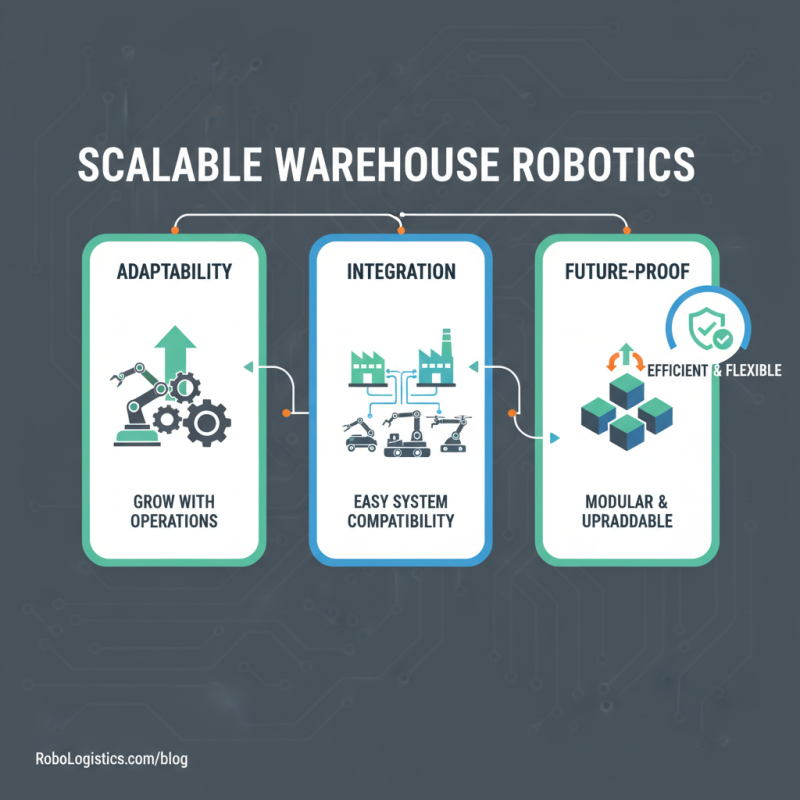
When investing in warehouse robots, scalability is crucial. As your operations grow, your robotic solutions should adapt. Consider robots that can easily integrate with existing systems. Upgrades should also be straightforward to implement without major disruptions. A modular approach can keep your operations flexible and efficient.

Choosing robots that support future upgrades is essential. Look for systems that allow integration of new software features as they become available. This can enhance functionality and keep your warehouse competitive. It's important to evaluate whether a robot can accommodate additional features later. Skipping this step might lead to costly limitations down the road.

However, not every investment will yield immediate returns. Early implementation might surprise many with unexpected challenges. Some robots may not perform as expected. Regular assessment of their performance and compatibility is essential. Embrace a mindset of continuous improvement and be prepared to pivot. The goal is to create a future-ready warehouse without unnecessary pain points or inefficiencies.

Smart Robotics brand movie

Watch video