Choosing the right Js Twin Shaft Concrete Mixer can influence concrete quality, production speed, and long-term operating costs. It is not simply a matter of selecting the largest model. Mixing capacity, material characteristics, plant layout, and maintenance access must work together.
In practical projects, operators often compare discharge time, shaft design, motor power, and liner durability. These details become important when the mixer handles stiff concrete, aggregates, or frequent production cycles. A reliable machine should produce a uniform mixture within a predictable period. It should also allow technicians to inspect paddles, seals, bearings, and wear plates without unnecessary downtime.
Small details matter.
This guide explains how to evaluate mixer performance through measurable information rather than attractive brochures. Buyers should request technical drawings, verified test data, spare-parts availability, and clear warranty terms. Supplier experience also deserves attention. A manufacturer familiar with similar concrete plants may identify installation risks before delivery. Still, no supplier should be trusted without checking references and service records.
The best choice depends on actual working conditions. A mixer designed for high output may be inefficient for a small batching plant. Likewise, a compact model may struggle under continuous heavy loads. I have seen specifications look impressive until real maintenance requirements were examined. That is why careful comparison remains necessary. The following sections will consider capacity, mixing efficiency, power consumption, construction quality, safety features, and after-sales support. These points can help buyers make a more informed and dependable decision.
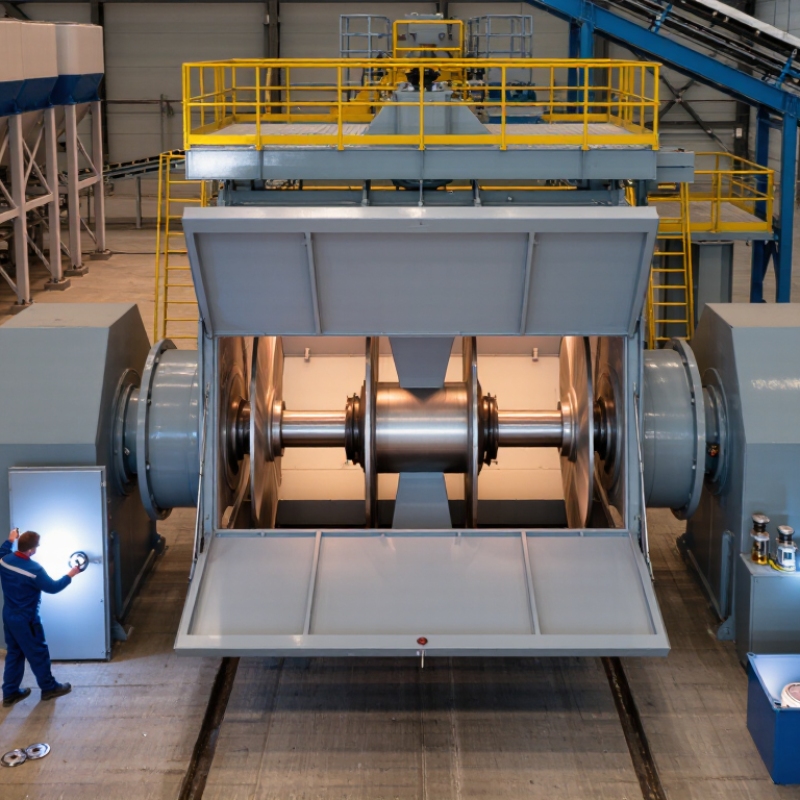
A JS twin shaft concrete mixer is more than a container with rotating paddles. Its main role is to combine cement, water, sand, and coarse aggregate into a consistent concrete mixture. Two horizontal shafts rotate in opposite directions, creating strong circulation across the mixing chamber. This action helps reduce dead zones and supports faster, more even blending.
On a busy site, operators usually judge performance by discharge uniformity, cycle time, and cleaning effort. A suitable mixer should handle the required aggregate size without frequent blockages. Check the shaft design, paddle arrangement, liner material, and motor capacity before choosing. Moisture changes also matter. A mix that performs well in dry conditions may behave differently after rain. Small details can affect the final strength.
Do not choose only by rated volume. A larger chamber may waste energy when daily production is modest. In practical operation, easy access to wear parts can save hours during maintenance. Protective guards, emergency stops, and clear inspection points also support reliable use. It is easy to overlook these features.
Operators should compare actual working capacity with the advertised figure. The two numbers are not always identical. Keep records of batch time, discharge quality, and replacement frequency after installation. These records reveal whether the selected mixer truly fits the material and workflow. Some decisions still require adjustment. That is normal.
A twin shaft mixer should match the plant’s actual production rhythm, not its largest advertised batch. The Global Cement and Concrete Association estimates that around 14 billion cubic metres of concrete are produced globally each year. This scale makes stable output important, but bigger is not always better. Record your required hourly volume, batch size, cycle time, and peak demand before comparing equipment.
Calculate useful capacity from the working volume, not the vessel’s total volume. A 3 m³ working batch, produced 18 times per hour, delivers about 54 m³ per hour before delays. Allow space for loading, discharge, cleaning, and moisture adjustments. ASTM C94/C94M requires concrete uniformity and performance controls, so capacity must not reduce mixing quality. Faster cycles can look efficient. They may create inconsistent moisture distribution.
Motor power should support the aggregate type, slump range, and loading pattern. The International Energy Agency reports that cement production remains highly energy-intensive, making avoidable power consumption a serious operating concern. Compare installed power, torque, energy per cubic metre, and overload protection. Ask for test records using your actual recipe. A catalogue number is not enough.
Inspect discharge speed and cleaning access. Small design details matter. I would also question one common assumption: maximum horsepower does not guarantee better concrete. It can increase energy use and maintenance pressure when the recipe needs gentler mixing. Review production data after installation, because real aggregates often behave differently from laboratory materials.
How to Choose a JS Twin Shaft Concrete Mixer?
Choosing a JS twin shaft concrete mixer starts with its mixing design. Two counter-rotating shafts create strong circulation and reduce dead zones inside the chamber. This action distributes cement, sand, water, and aggregates evenly. In field use, discharge time matters as much as mixing speed. A fast cycle may still produce weak concrete if blades leave dry pockets. Inspect blade overlap, shaft spacing, and the discharge gate before purchase. Small design differences can affect daily output.
Materials determine service life. Mixing arms and blades face constant abrasion from coarse aggregate. Hardened alloy parts usually resist wear better than ordinary steel. However, stronger materials do not remove maintenance needs. Check liner thickness, bolt access, and replacement procedures. A practical mixer should allow workers to change worn parts without dismantling half the machine. That detail saves time. The frame should remain rigid under repeated loading, while sealed bearings protect moving parts from dust and moisture.
Performance features need testing, not just impressive figures. Compare batch capacity, motor power, mixing duration, and discharge consistency. Request test results using aggregates similar to those on your site. Moisture changes can expose weaknesses. One overlooked issue is cleaning. Concrete left around the shaft hardens quickly and increases the next cycle’s load. Automatic lubrication helps, but it cannot replace inspection. I would question any capacity claim measured under perfect conditions. Real production includes pauses, uneven feeding, and operator mistakes.
How to Choose a JS Twin Shaft Concrete Mixer?
Installation determines whether a twin shaft mixer performs reliably. Check the foundation, anchor bolts, discharge clearance, and electrical capacity before delivery. ACI 304R recommends controlled mixing procedures and consistent batch conditions for uniform concrete quality. Test the shafts without material first. Listen for vibration. Small alignment errors can become expensive repairs.
Maintenance should be visible, scheduled, and recorded. Inspect shaft seals, mixing arms, wear liners, bearings, and gearbox oil at defined intervals. Keep spare liners and seals available. ISO 15686-5 identifies life-cycle costing as more useful than purchase price alone. It includes maintenance, energy, labor, and downtime. A low-cost mixer may lose its advantage after repeated stoppages. The spreadsheet can still lie.
Safety needs practical discipline, not only warning labels. Guards must cover moving shafts and access points. Lockout and tagout procedures should control electrical and mechanical energy before cleaning or inspection. OSHA 29 CFR 1910.147 provides the recognized framework for hazardous-energy control. Never enter the mixing chamber during operation. That sounds obvious. It is still neglected. Operating cost also depends on energy and emissions. The International Energy Agency’s 2023 cement report estimates direct cement-sector emissions at about 2.5 gigatonnes annually. Efficient loading, correct moisture control, and shorter idle periods cannot solve the sector’s problem, but they reduce waste at plant level. Track kilowatt-hours, batches per hour, water use, wear-part consumption, and unplanned downtime for a more honest comparison.
| Selection Criterion | 1.0 m³ Mixer | 1.5 m³ Mixer | 2.0 m³ Mixer | 3.0 m³ Mixer | How to Check |
|---|---|---|---|---|---|
| Nominal batch capacity | 1.0 m³ | 1.5 m³ | 2.0 m³ | 3.0 m³ | Match the mixer size with the required concrete volume per batch, not only the maximum daily output. |
| Typical practical output* | 30–45 m³/h | 45–65 m³/h | 60–85 m³/h | 85–120 m³/h | Confirm the complete plant cycle, including loading, mixing, discharge, and cleaning time. |
| Typical mixing time per batch | 30–45 seconds | 35–50 seconds | 40–55 seconds | 45–60 seconds | Request a trial using the actual aggregate grading, moisture content, cement dosage, and admixtures. |
| Typical installed motor power | 2 × 18.5–22 kW | 2 × 22–30 kW | 2 × 30–37 kW | 2 × 45–55 kW | Verify voltage, frequency, starting current, control-panel rating, and local electrical capacity. |
| Approximate mixer body footprint | 2.4 × 1.6 m | 2.8 × 1.8 m | 3.2 × 2.0 m | 3.8 × 2.3 m | Allow additional clearance for inspection, discharge gates, covers, walkways, and maintenance access. |
| Recommended maintenance clearance | ≥ 0.8 m | ≥ 0.8 m | ≥ 1.0 m | ≥ 1.0 m | Measure the complete installation area and keep access routes clear of aggregate, piping, and cables. |
| Foundation requirement | Reinforced concrete base | Reinforced concrete base | Engineered reinforced base | Engineered reinforced base | Obtain equipment loads, anchor-bolt details, vibration data, and soil conditions before construction. |
| Wear protection to inspect | Replaceable liners and paddles | Replaceable liners and paddles | Heavy-duty liners and paddles | Heavy-duty liners and paddles | Check material thickness, hardness, replacement method, bolt accessibility, and spare-part availability. |
| Routine lubrication points | Bearings and drive components | Bearings and drive components | Bearings, seals, and drive components | Bearings, seals, and drive components | Request the lubrication chart and confirm safe access without entering the mixing chamber. |
| Suggested cleaning frequency | After each shift | After each shift | After each shift | After each shift | Remove hardened concrete regularly; buildup can reduce capacity, increase power demand, and affect mixing quality. |
| Essential safety provisions | Fixed guards, interlocked access covers, emergency-stop devices, lockout/tagout points, overload protection, safe walkways, and clear warning labels | Check compliance with applicable local machinery, electrical, guarding, and workplace safety requirements. | |||
| Typical specific electricity use* | 1.5–2.5 kWh/m³ | 1.5–2.4 kWh/m³ | 1.4–2.3 kWh/m³ | 1.4–2.2 kWh/m³ | Calculate energy cost from actual operating hours, electricity tariff, material properties, and batch utilization. |
| Main operating-cost drivers | Electricity, wear liners, mixing paddles, seals, bearings, lubricants, water, cleaning labor, and unplanned downtime | Compare total cost per cubic meter rather than purchase price alone. | |||
| Best operating profile | Small or intermittent production | Medium production | Regular commercial production | High-volume continuous production | Select the smallest capacity that meets peak demand while maintaining an adequate production margin. |
*Values are typical planning ranges for twin-shaft concrete mixers and may vary with concrete formulation, aggregate size, moisture, loading method, cycle design, and local operating conditions. Final selection should be based on verified technical drawings, load calculations, safety requirements, and a site-specific cost analysis.
How to Choose a JS Twin Shaft Concrete Mixer?
Selecting a Reliable JS Twin Shaft Concrete Mixer Supplier
A reliable supplier should understand more than mixer specifications. Ask how many years they have supported concrete plants in real working conditions. Experience matters when aggregate moisture changes, production pressure rises, or a shaft needs adjustment. Request customer references from projects with similar output and material types.
Inspect the supplier’s manufacturing process carefully. Check shaft alignment, gearbox protection, blade thickness, and welding quality. Ask for material certificates and factory inspection records. A serious supplier should explain mixing capacity, cycle time, motor power, and expected wear life clearly. Avoid vague promises. Ask for test videos using concrete materials, not only empty-machine demonstrations.
After-sales support is equally important. Confirm installation guidance, operator training, spare-part availability, and response times. A dependable supplier should provide drawings, maintenance schedules, and troubleshooting instructions. Keep communication practical. Can they identify an unusual vibration from a short video? Can they ship replacement blades without confusion?
No supplier is perfect.
During equipment evaluations, small details are often missed. One overlooked drain position can make cleaning slower every day. A cheaper quotation may also exclude transport, commissioning, or essential wear parts. Review the complete cost, not only the purchase price. If possible, visit the factory and inspect a mixer under load. That brief visit may reveal more than polished sales material.
Watch video