How to Choose the Right Fuel Transfer Pump?
Choosing the right Fuel Transfer Pump is more than comparing flow rates on a product page. The pump must match the fuel type, viscosity, temperature, transfer distance, and operating frequency. A diesel pump used for occasional farm refueling may need different protection than a continuous-duty pump in a busy service yard. Hose diameter matters, too. A narrow hose can quietly reduce performance, even when the pump appears powerful.
Pump specialist Dr. Lev Nelik explains, “A pump does not create flow; it creates a pressure difference.” This principle helps buyers read specifications more carefully. Flow depends on resistance, hose length, fittings, filters, elevation, and nozzle design. A practical choice also considers voltage, motor protection, self-priming ability, filtration, grounding, and compatibility with the stored fuel. Safety instructions and local requirements should never be treated as optional details.
A neat number can mislead.
This guide examines the decisions behind a dependable Fuel Transfer Pump, not just its advertised capacity. It compares manual and electric designs, highlights common sizing errors, and explains how duty cycle affects service life. It also considers installation details, including secure connections, clean storage, and routine inspection. Some recommendations will remain conditional because no pump suits every site. That is the honest limitation. A model that performs well in a workshop may disappoint beside a long storage tank or under frequent winter use. Careful selection begins with the real working conditions, then verifies them against the manufacturer’s documentation and recognized safety practices.
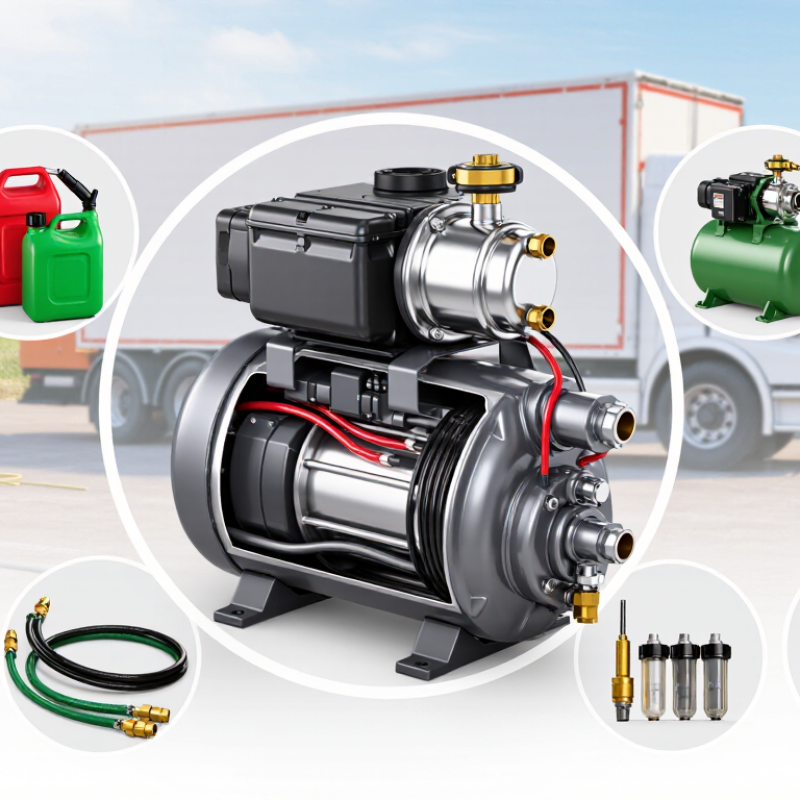
Define Your Fuel Transfer Requirements and Operating Conditions
Choosing the right fuel transfer pump starts with a clear definition of your actual requirements. Identify the fuel type, viscosity, temperature range, required flow rate, and total transfer distance. Measure both vertical lift and hose length, because pressure losses can reduce performance. A pump moving fuel across a workshop floor has different demands from one serving equipment in cold, dusty conditions. Check the power source, duty cycle, inlet size, and filtration needs. A pump rated for continuous operation may be unsuitable for short, intermittent transfers, and the reverse can also cause premature wear.
Tips: Record the busiest transfer period, not the average one. Inspect the hose for sharp bends and soft spots. Confirm that seals and materials match the fuel. Leave practical capacity for colder weather. The first estimate is often wrong.
During field inspections, I have seen users focus on flow rate while ignoring suction conditions. A pump may show impressive output on paper, yet struggle with a long inlet line or a nearly empty tank. Consider installation height, ventilation, spill control, noise, and safe electrical requirements. Follow current local regulations and the equipment manufacturer’s technical data. Keep written records of operating temperature, transfer volume, and maintenance intervals. This information makes future sizing more reliable. Sometimes a smaller pump is better, especially when controlled flow, easier handling, and lower strain matter more than maximum speed.
Match Pump Capacity, Pressure, Power, and Fuel Compatibility
How to Choose the Right Fuel Transfer Pump?
Choosing a fuel transfer pump starts with the job, not the catalog photo. Measure the required flow in liters per minute. Then check the transfer distance, lift height, and hose size. A pump rated at 60 L/min may deliver less through a long hose, narrow fittings, or a dirty filter. Real conditions matter. Keep a safety margin, but avoid oversized capacity. Excess flow can cause splashing, waste power, and stress connections. I have seen users choose by maximum capacity alone. That shortcut often disappoints.
Pressure must match the equipment receiving the fuel. Too little pressure causes slow filling or unstable operation. Too much pressure may damage seals, meters, or automatic nozzles. Check the working pressure, not only the peak figure. Hose length, elevation, and sharp bends all consume pressure. Compare the pump curve with the actual system. This step is easy to skip. It should not be.
Power selection depends on available electricity and duty cycle. Confirm voltage, current, connector type, and starting demand before installation. A small motor may overheat during repeated transfers. A larger motor may trip a limited circuit. Battery-powered units need a realistic runtime estimate, including cold starts and low voltage. Fuel compatibility is equally important. Verify that wetted materials suit diesel, gasoline, kerosene, or the approved fuel in use. Check seals, hoses, and internal coatings carefully. Never assume “fuel compatible” means every fuel. Read the technical sheet and inspect the pump after initial use. A slight odor, softened seal, or unusual noise deserves attention.
How to Choose the Right Fuel Transfer Pump?
Match the pump’s capacity, pressure, motor power, and fuel compatibility to the application. The chart compares typical transfer-pump duty points without using company or brand-specific data.
| Pump Duty | Typical Capacity | Typical Pressure | Typical Motor Power | Fuel Compatibility |
| Low-flow maintenance | 20 L/min | 2 bar | 0.25 kW | Diesel and kerosene when seal materials are approved |
| Mobile service | 40 L/min | 3 bar | 0.55 kW | Diesel, kerosene, or approved gasoline configuration |
| Workshop transfer | 80 L/min | 4 bar | 1.10 kW | Diesel and kerosene; gasoline requires suitable electrical and seal ratings |
| High-throughput transfer | 120 L/min | 5 bar | 1.50 kW | Fuel-specific design required; verify hazardous-area and material approvals |
Selection guidance: Choose capacity from the required filling time, then confirm that pressure covers static lift and hose or filter losses. Select sufficient motor power for continuous duty and verify that all seals, hoses, electrical components, and safety certifications are compatible with the intended fuel. The values shown are typical engineering reference points and should be confirmed against the final pump datasheet.
Evaluate Safety Features, Materials, Portability, and Controls
Choosing a fuel transfer pump starts with risk control, not flow rate. NFPA reported about 1.39 million fires in the United States during 2023. That figure makes grounding, bonding, and automatic shutoff practical priorities. Look for overcurrent protection, leak-resistant connections, and a clearly marked emergency stop. The pump should match the fuel classification and local requirements under NFPA 30 and OSHA 1910.106.
Materials matter at every contact point. Stainless steel and compatible engineered polymers can resist corrosion, but compatibility must be checked against gasoline, diesel, ethanol blends, or other approved fuels. A pump may look strong and still fail through a brittle gasket. I have found that hose flexibility also affects safety. A stiff hose can pull the pump sideways or damage a fitting during transfer.
Portability should not mean poor stability. Choose a balanced handle, protected wiring, and a base that stays steady on uneven concrete. Compact units are useful, though small pumps may sacrifice cooling capacity or service access. Controls should be simple enough for gloved hands. A mechanical switch, visible power status, and preset shutoff can reduce mistakes. The U.S. Bureau of Labor Statistics recorded 5,283 fatal work injuries in 2023, across all industries; this broad figure cannot measure pump risk directly, but it supports careful control design. I would still test the pump under real working conditions, because published specifications rarely show every awkward failure.
Check Installation Needs, Maintenance Demands, and Total Cost
Choosing the right fuel transfer pump starts with installation needs, not catalog flow rate. Measure available space, inlet distance, power supply, hose route, and tank position. A pump may meet the flow target yet struggle with long suction lines or poor support. In field checks, tight bends and weak mounting often cause noise, leaks, and slow filling. Confirm fluid compatibility, connection size, duty cycle, and filtration requirements before purchase. Leave clear access around the pump. Technicians need room to inspect seals and wiring safely.
Maintenance demands shape the real cost. Ask how often filters need replacement, whether seals are accessible, and how quickly common parts can be obtained. Keep a service log for operating hours, filter changes, unusual vibration, and delivery speed. Small changes can reveal wear early. Do not trust a low purchase price alone. Electricity, downtime, replacement hoses, labor, and spill prevention equipment can exceed the initial payment. I have seen “low maintenance” plans fail because operators assumed no inspection was necessary. That assumption deserves a second look.
Tips: Compare purchase, routine service, and failure recovery costs. Request performance data under realistic conditions, not ideal test settings. Check warranty terms carefully. They may exclude installation errors or unsuitable fluids. If the pump runs occasionally, include storage and start-up checks. A slower pump with easier servicing may prove more dependable. Sometimes.