How to Choose the Right Deck Screw for Your Projects?
Choosing the right deck screw can significantly impact the durability and aesthetic of your outdoor projects. Deck screws are not just fasteners; they play a critical role in the overall performance of your deck. From wood species to weather resistance, many factors influence your choice.
When selecting deck screws, consider the material. Stainless steel offers excellent corrosion resistance but may be costly. Meanwhile, coated screws balance affordability and protection. Also, the screw length matters. Too short, and it won't hold; too long, and it may split the wood. These details often seem minor but can determine the success of your assembly.
It’s easy to overlook these elements. However, understanding how deck screw selection affects your project's longevity is essential. Each choice you make shapes the outcome. Take time to reflect on what you truly need for your specific application. The right deck screw marries function and form, ensuring your project stands the test of time.
Understanding Different Types of Deck Screws Available in the Market
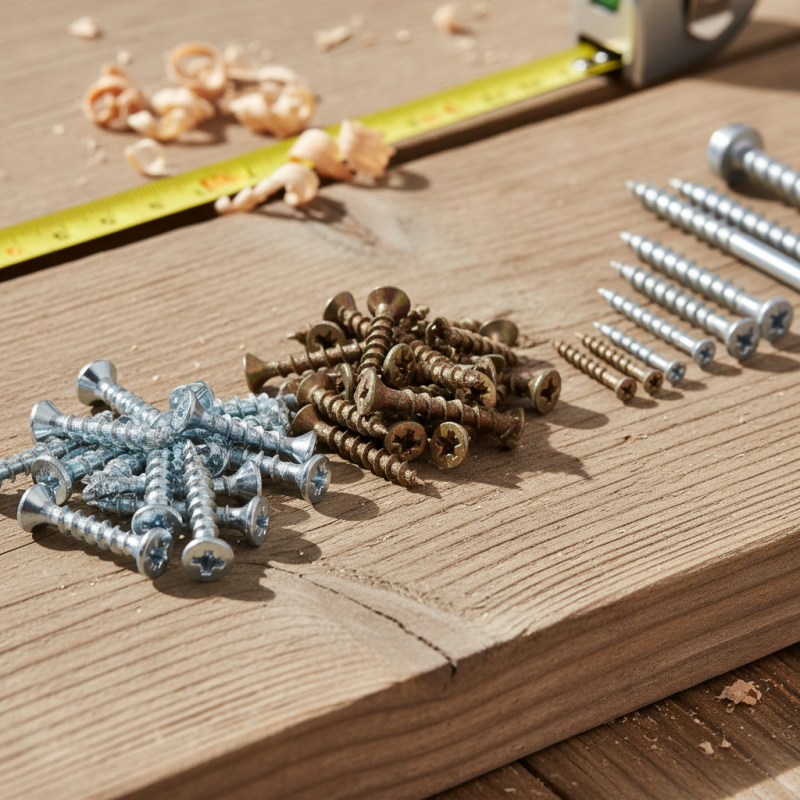
When selecting deck screws, it’s essential to understand the various types available. Deck screws come in several materials, including stainless steel, carbon steel, and coated options. Stainless steel is highly resistant to rust and corrosion. This makes it ideal for coastal areas. However, carbon steel screws can be more affordable. Yet, they require a protective coating to withstand outdoor conditions.
Screw design also plays a crucial role. For instance, some screws have self-drilling tips, allowing for easy installation without pre-drilling. Others feature a countersunk head that sinks flush with the surface. This can create a neater finish. Additionally, observing the screw’s thread design is vital. Coarse threads are beneficial for softer woods, while fine threads work better with hardwood.
Choosing poorly can lead to structural issues. Think about longevity and the environment where your deck will be located. Test different types to see what performs best. It’s not always clear which option will work. Each project might have unique requirements. Don’t hesitate to seek advice or conduct research to ensure you make an informed decision.
Factors to Consider When Selecting Deck Screws for Your Project
Choosing the right deck screw is crucial for a successful project. Several factors impact your choice. Start with the material of the screws. Stainless steel offers durability, while coated screws provide rust resistance at a lower cost. Consider the climate in your area. Humid environments may require more robust options.
Next, think about the length and diameter of the screws. A longer screw provides better grip, especially in thicker boards. However, going too long can split the wood. Using a pilot hole can help avoid this problem. The screw type is also essential. Some screws are designed for specific materials, increasing effectiveness.
Head type matters as well. Flat heads sit flush with the surface, creating a smooth finish. Round heads might protrude slightly, which can be a concern aesthetically. Lastly, reflect on the installation process. Easy-to-drive screws save time and effort. Overall, understanding these factors leads to better decisions, ensuring your deck stands strong.
Deck Screw Selection: Key Factors
Evaluating Material Compatibility for Deck Screws and Decking Materials
Choosing the right deck screw involves a close evaluation of material compatibility. Not all screws will work equally well with every decking material. For instance, when using pressure-treated wood, stainless steel screws are often preferred. They resist corrosion and can handle moisture effectively. A report by the American Wood Council highlights that using incompatible screws can lead to significant degradation of both the screw and decking.
Compatibility goes beyond just material. Some screws feature coatings that can react with certain woods. Proper assessments are crucial. According to a study by the American Society for Testing and Materials, galvanized screws can corrode when in contact with certain types of treated wood. This can cause structural issues in the long run. It’s advisable to consult detailed specifications before making a final decision.
Always consider the environment where your deck will reside. Heat, humidity, and exposure to saltwater can all affect the performance of deck screws. A recent survey found that 30% of deck failures are related to improper fastener choices. This statistic underscores the importance of carefully researching and selecting compatible screws to ensure durability and longevity in your decking projects.
Determining the Appropriate Length and Gauge for Deck Screws
Choosing the right length and gauge for deck screws is crucial for any decking project. Miscalculations can lead to weak structures or unsightly gaps. Research shows that using screws of the proper length is essential. As a rule of thumb, a screw should penetrate at least 2.5 times the thickness of the material being joined. For a standard deck board of 1 inch thickness, this means a screw length of approximately 2.5 inches.
Gauge is equally important. Screws with a larger gauge number are thicker. Using a thicker screw can enhance strength and resistance to bending. Industry reports suggest that a gauge of 8 or 10 is optimal for deck screws. Thin screws can strip or fail under load. Thus, selecting the right gauge prevents future issues.
Even experienced builders sometimes overlook these details. It’s easy to assume all screws will work equally. However, inadequate length or gauge can lead to costly repairs. Always take the time to measure twice and choose wisely based on your specific decking material and project requirements. Remember, a small oversight can lead to significant problems down the line.
Assessing Coatings and Finishes for Enhanced Deck Screw Performance
Choosing the right deck screw for your projects hinges significantly on the coatings and finishes. Not all screws are created equal when it comes to durability and corrosion resistance. For outdoor decks, environmental factors play a crucial role. According to a study from the American Wood Council, untreated screws can corrode under moisture and UV exposure within a year. Therefore, selecting screws with protective coatings is essential for longevity.
Coatings such as galvanized, stainless steel, and polymer offer varying levels of protection. Galvanized screws are usually coated with zinc, providing moderate corrosion resistance. In contrast, stainless steel screws are ideal for coastal environments due to their superior resistance. Meanwhile, polymer-coated screws are emerging as a popular choice for their aesthetic appeal and rust prevention.
Tip: Always consider the environment when choosing finishes. Humid or salty climates dictate a higher need for robust coatings. Another consideration is compatibility with the material of your deck. Some finishes can react chemically, leading to premature failure. Therefore, ensure compatibility to avoid unexpected issues.
How to Choose the Right Deck Screw for Your Projects? - Assessing Coatings and Finishes for Enhanced Deck Screw Performance
| Screw Type | Material | Coating Type | Corrosion Resistance | Ideal Use Case |
| Wood Deck Screw | Steel | Zinc Plated | Moderate | Residential deck installations |
| Composite Deck Screw | Stainless Steel | Coated (Color Matched) | High | Composite decking materials |
| Plastic Deck Screw | Polymer | N/A | Excellent | Wet environments and coastal regions |
| Treated Deck Screw | Steel | Galvanized | Very High | Pressure-treated wood applications |
| Anti-Corrosion Deck Screw | Brass or Stainless Steel | Anodized | Extreme | Marine environments |