How to Choose the Best CNC Accessories for Your Machine?
Choosing the right CNC Accessories can significantly enhance your machining process. With many options available, it’s easy to feel overwhelmed. Quality accessories improve performance and ensure precision in your projects.
Consider the unique demands of your machine. Each CNC machine has specific needs. Think about factors such as material type, machining speed, and project complexity. For instance, different cutting tools can affect the finish and accuracy of your work. Make sure to assess your existing accessories regularly. An worn tool can lead to subpar results, which can be frustrating.
Ultimately, selecting the best CNC Accessories requires careful thought. Don't forget to weigh both quality and cost. A balance between these factors can be hard to achieve. Reflect on your choices. Sometimes, it’s the little details that make a big difference.
Understanding the Types of CNC Accessories and Their Functions
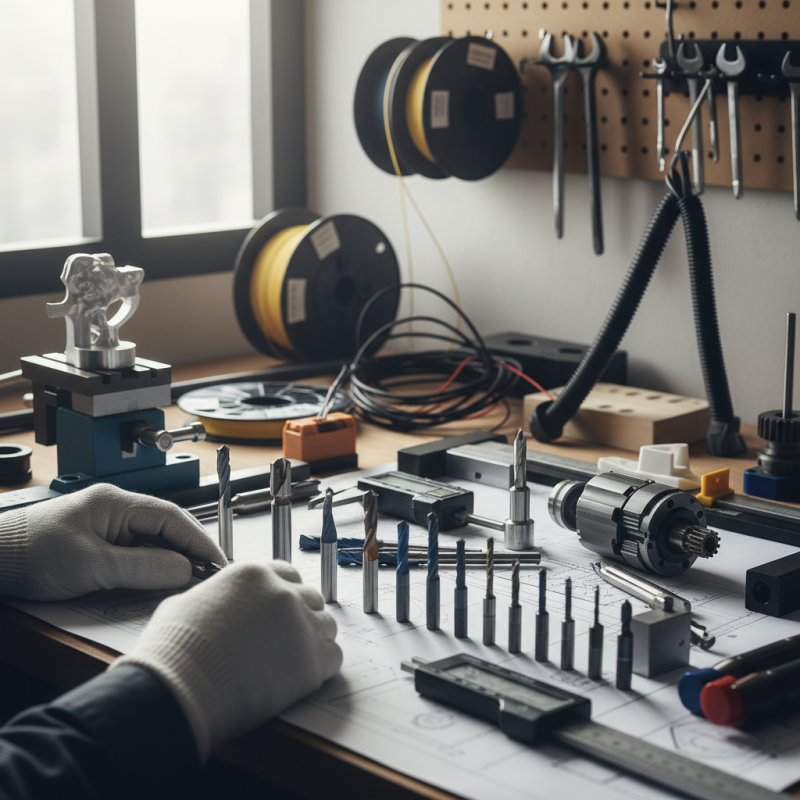
When choosing CNC accessories, it’s essential to understand their types and functions. Tool holders are vital. They firmly secure your cutting tools. A secure fit improves precision and reduces vibrations. Lack of proper tool holders may lead to inconsistent results.
Consider workholding devices next. These accessories, such as vises or clamps, hold your material in place. Choosing the right one depends on your material type and machining processes. A poorly chosen device can lead to accidents or poor-quality work.
Tips: Always assess your specific needs. Some accessories may seem versatile but may not suit your project. It’s also wise to explore aftermarket options carefully. Not all accessories provide the quality you need. Reflect on your experiences with different accessories to make informed choices. Finding the right fit can greatly enhance your machining experience.
How to Choose the Best CNC Accessories for Your Machine?
| Accessory Type | Function | Material | Compatibility |
| CNC Router Bits | Cutting various materials | Carbide | Most CNC routers |
| Tool Holders | Secures cutting tools | Steel or Aluminum | Compatible with CNC spindles |
| Coolants and Lubricants | Reduces heat and friction | Synthetic or Non-synthetic | All CNC machines |
| Measuring Tools | Ensures precision | Metal or Plastic | Various CNC setups |
| Workholding Devices | Secures workpieces during machining | Steel or Aluminum | Most CNC machines |
Evaluating Compatibility: Matching CNC Accessories with Your Machine Model
When selecting CNC accessories, compatibility is crucial. Each machine model has unique specifications that affect performance. Understanding these requirements helps avoid potential issues. For example, a spindle designed for high-speed operations may not align with a lower-powered machine. Always check the specifications before making a purchase.
Consider the size and type of connectors. If the connectors don't match, the accessory won't function properly. Some accessories may seem versatile but can be a poor fit for specific models. A tool holder that works on one machine might not fit another. It’s vital to be precise.
Additionally, pay attention to the material and design of the accessories. Not all materials work well with every machine. For instance, a lightweight aluminum part may not handle heavy machining tasks effectively. Misjudging this can lead to damage, requiring time and money to fix. Compatibility isn't just a suggestion; it's essential for success.
Assessing Material Quality for Durable CNC Accessories
When choosing CNC accessories, material quality is crucial. The effectiveness of your machine greatly depends on the durability of these accessories. High-quality materials resist wear and tear, ensuring a longer lifespan. For instance, stainless steel and aluminum are popular choices due to their strength and corrosion resistance.
However, not all materials perform as expected. Some may chip or break easily, leading to project delays. It's essential to investigate material specifications before purchasing. Analyzing user reviews can provide insights into real-world performance. Don’t overlook the significance of proper maintenance. Even durable accessories require care to maintain their effectiveness.
Take time to compare different materials. Consider their suitability for your specific tasks. A material that works well for one application may not be ideal for another. Experimenting with various options can lead to unforeseen challenges. Assessing quality upfront, however, can save you from future frustrations and wasted resources.
Key Features to Look for in CNC Tool Holders and Chucks
When selecting CNC tool holders and chucks, consider key features that impact performance. Precision is paramount. High-quality tool holders maintain tighter tolerances, leading to better dimensional accuracy. Reports indicate that even a minor deviation can cause significant errors in machining processes.
Material matters too. Look for holders made from durable alloys or carbon steel. These materials ensure longevity and reliability. A study by Industry Week highlighted that machines using superior materials in tool holders see a 30% reduction in wear and tear. This translates to lower maintenance costs and increased productivity.
Another critical aspect is the clamping mechanism. A secure grip is essential for optimal cutting performance. Chucks with superior clamping forces reduce tool slippage. This improves tool life and surface finish quality. Reports show that inadequate clamping can lead to a 50% decrease in efficiency during machining tasks. Investing time in researching these features can lead to better machining outcomes.
How to Choose the Best CNC Accessories for Your Machine
This chart displays the key features to look for in CNC tool holders and chucks based on their performance and material.
Cost-Benefit Analysis: Investing Wisely in CNC Accessories
Investing in CNC accessories is crucial for optimizing your machine's performance. A cost-benefit analysis helps determine if an accessory is worth the investment. For example, consider the lifespan and efficiency of the accessory. Invest in high-quality items that enhance your machine's capabilities, but be cautious of overspending on features you might not need.
In some cases, cheaper accessories seem tempting. They may promise the same results at a lower cost. However, lack of durability could lead to frequent replacements, increasing long-term costs. Evaluate real user reviews and performance metrics before deciding. Think about how the accessory aligns with your machining goals.
It's essential to reflect on current needs versus wants. Sometimes, what's popular may not be necessary for your specific setup. Choosing wisely can save money and enhance productivity. Consider both current and future projects to make informed decisions.