How to Choose the Right Battery Manufacturing Equipment?
Choosing the right Battery Manufacturing Equipment is crucial for productivity and efficiency. The market offers various options, each with distinct features. Understanding these features helps businesses make informed decisions.
In recent years, battery production has become increasingly advanced. New technologies have emerged, changing how batteries are manufactured. Companies must stay updated with these innovations. Selecting the appropriate equipment can enhance output while minimizing waste. Balancing cost and quality is essential in this selection process.
However, this choice is not always straightforward. Some equipment may seem appealing but fail to meet production needs. It’s essential to evaluate all options carefully. Businesses should consult with industry experts for insights. Relying on proven manufacturers adds reliability to your decision. In the end, the right battery manufacturing equipment can define a company's success in a competitive market.
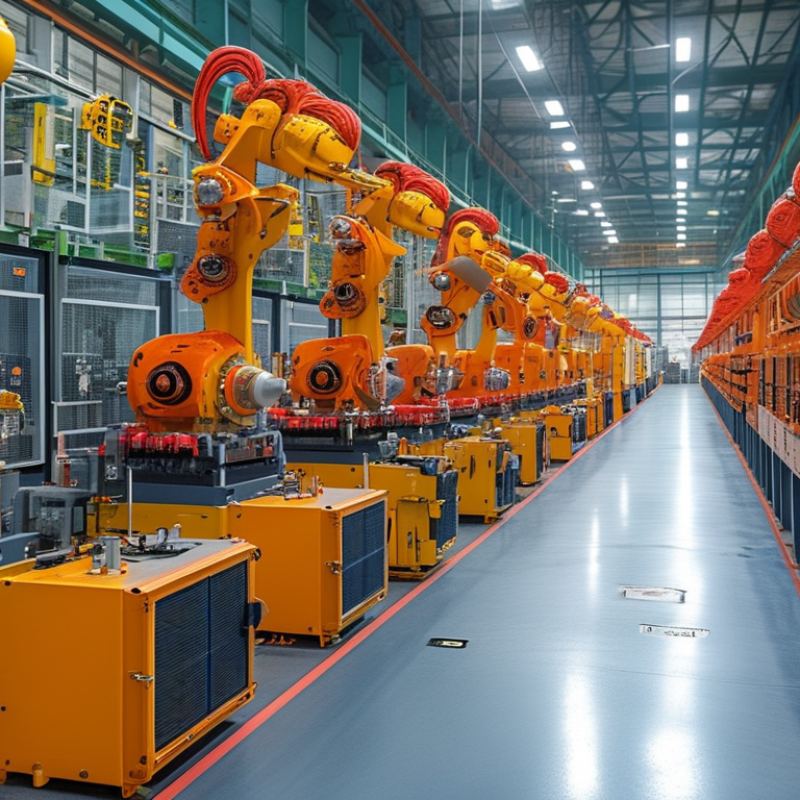
Factors to Consider When Selecting Battery Manufacturing Equipment
Choosing the right battery manufacturing equipment involves several key factors. It's essential to evaluate your production capacity needs. Assess the scale of your operations. Will you manufacture small batches or large volumes? Understanding your requirements will guide your equipment choices.
Efficiency is another critical aspect. Look for machines that offer higher output with lower energy consumption. Some equipment may appear advanced but could have hidden inefficiencies. Research various options to find machinery that balances speed and energy use.
**Tips:** Regular maintenance is crucial for longevity. Equipments may need repairs or tuning, affecting production. Establish a maintenance schedule early on.
Consider the technology alignment with industry trends. As battery technology evolves, staying updated is vital. Investing in outdated equipment may lead to higher costs later.
**Tips:** Engage with industry professionals. Their insights can help you identify potential challenges before they become expensive problems. Getting feedback on equipment from actual users can offer valuable perspectives.
Types of Battery Manufacturing Equipment Available in the Market
When selecting battery manufacturing equipment, understanding the available types is essential. Equipment categories include mixing machines, coating systems, and drying ovens. Each type plays a crucial role in the production process.
Mixing machines blend raw materials like active substances and solvents. They require precision to ensure uniform consistency. Inadequate mixing can lead to poor battery performance.
Coating systems apply electrode materials to substrates. They must control thickness and uniformity carefully. A flaw here can affect the battery's capacity and lifespan.
Drying ovens remove moisture from coated electrodes. Effective drying is vital to prevent chemical reactions that could degrade the battery. The temperature and humidity levels should be monitored closely.
Choosing the right equipment isn’t just about technology; it's also about understanding your specific production needs. Weighing the pros and cons of each type will help in making informed decisions.
Evaluating the Efficiency and Performance of Equipment
When selecting battery manufacturing equipment, evaluating efficiency and performance stands crucial. Efficiency can be measured in various ways. For example, you might consider energy consumption during the production process. Heavy machinery often requires significant energy, which can increase operational costs. Analyzing energy use helps identify equipment that conserves energy without sacrificing output.
Performance is another important factor. Testing the reliability of machinery over time provides valuable insights. Some equipment may perform well initially but show issues later on. It’s vital to study how machinery withstands prolonged use. Seek equipment reviews that highlight both strengths and weaknesses. Real-world performance data can reveal potential pitfalls.
Don’t overlook maintenance requirements. Some machines may need more frequent servicing, impacting overall productivity. Reflect on the balance between initial costs, long-term performance, and maintenance. An efficient machine is not just about high speed. Sometimes, focusing on total cost of ownership leads to better decision-making over time.
Cost Considerations and Budgeting for Equipment Purchase
When considering battery manufacturing equipment, cost is a crucial factor. Analyzing your budget helps you make informed choices. Equipment costs can vary widely based on technology. Newer, advanced systems often demand higher investments. However, they may offer more efficiency and longevity.
Tips: Always explore suppliers. Some may offer leasing options, which can benefit cash flow. It's essential to evaluate warranty and maintenance costs as well. A low upfront price doesn't guarantee long-term savings.
Take time to compare specifications. Look for equipment that matches your production needs without overspending. Watch for hidden expenses in installation or training. These can add to your budget significantly. Striking a balance between price and quality is vital for sustainable operations.
Ensuring Compliance with Safety and Environmental Standards
Choosing battery manufacturing equipment is a critical decision. Compliance with safety and environmental standards is vital. Each piece of equipment should meet specific safety guidelines. This ensures the protection of both workers and the environment.
Regular audits are essential. They identify potential hazards and compliance gaps. For example, equipment that generates excessive noise can harm workers. Similarly, machinery with improper ventilation can release harmful pollutants. Addressing these issues requires continuous monitoring and adjustment.
Many manufacturers overlook equipment lifespan and efficiency. Not all machines are designed to minimize waste. Investing in equipment with sustainable features can mitigate environmental impact. Reflecting on these choices helps manufacturers improve operations. It’s about making responsible decisions, not just meeting legal requirements.